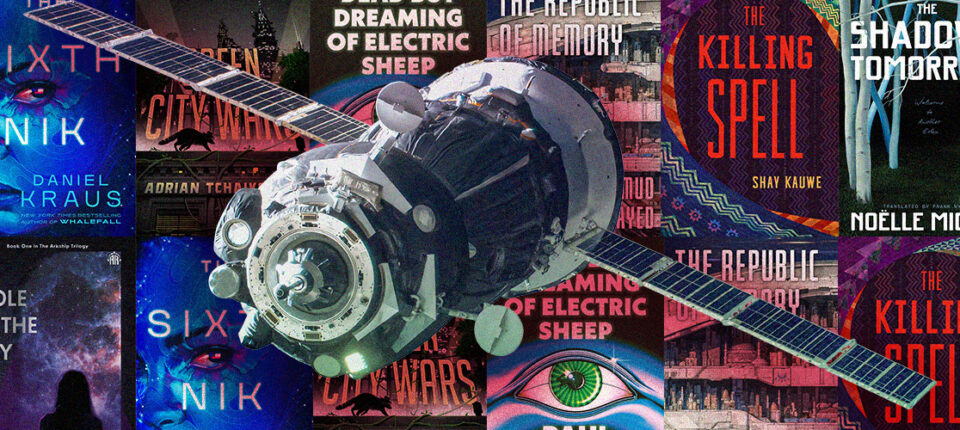
Interesting times lead to fascinating fiction, especially in the speculative realm, where each future-set plot point feels like a logical extension of our current woes, especially regarding the imminent environmental destruction of our planet and the inevitable need to either deal with that, or find a new one. These works may have grounded their speculations within present-day concerns, but I found myself awestruck by the level of creativity on display, the nature of each novel’s thoughtful set of inquiries, and the respectful use of mystery and detective fiction tropes to pursue these inquiries. There’s no time like the present to enjoy some wild (and probably accurate) predictions about the future!
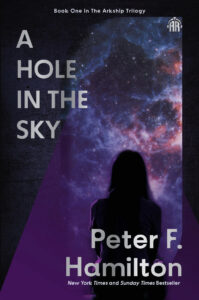
Peter F. Hamilton, A Hole in the Sky
(Angry Robot, January 20)
A Hole in the Sky is one of two books on this list to take place aboard a generation ship. This one’s experiencing the worst problem to possibly have in space (and one reminiscent of Spaceballs): the ship’s precious atmosphere is slowly but surely leaking away, at a rate that will guarantee suffocation long before the adventurous voyagers reach their planned destination. Can the ship’s ingenious crew fix their home among the stars? Will the answer to their conundrum be found with the rebellious elders of their community, those who refuse to commit suicide at the age of 65? While some on this list warn against seeking longevity, this novel does the opposite, reminding us of the social Darwinist impulses behind sacrificing the elderly or infirm in favor of the young and healthy.
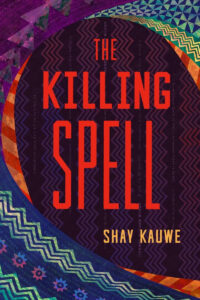
Shay Kauwe, The Killing Spell
(Saga, April 14)
I’m a sucker for anything involving language magic, and The Killing Spell delivers linguistic shenanigans enough to fill a Scrabble dictionary. In this startlingly original story, displaced Hawaiians have resettled at the edge of a magically inundated Los Angeles, where linguistic communities vie for recognition as spell-casters, some reaping the benefits of official status, while others languish in unregulated gray markets. When a major magician turns up dead from a spell that could only be cast in Hawaiian, the eccentric leader of a small clan gets an ultimatum from the powers-that-be: track down the killer or find her language’s magic facing a permanent ban.
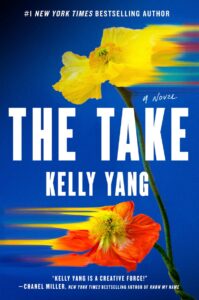
Kelly Yang, The Take
(Berkley, April 14)
Wellness horror meets capitalism noir in Kelly Yang’s vicious send-off of the lies we tell to those we exploit. In The Take, a young woman in need of quick cash applies to assist an aging Hollywood director with an experimental new blood treatment that shaves years off the receiver’s life—and ages the donor just as dramatically.
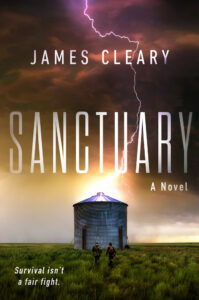
James Cleary, Sanctuary
(Berkley, April 28)
What happens in the bunker, stays in the bunker…Because everyone in the bunker is dead. Or at least, that’s where things seemed headed when I took a break from reading this one to blurb it! Cleary has crafted an epic speculative thriller set at the moment of collapse, and as propulsive as it is imaginative. Essential reading for the literary prepper.
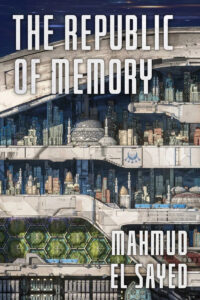
Mahmud El Sayed, The Republic of Memory
(Saga, May 5)
It is a universal truth that any functionary on a spaceship ship sufficiently well-placed will be susceptible to bribery, especially in a ship indulgently outfitted and gloriously inspired by the Ottoman Empire. In The Republic of Memory, gleefully corrupt officials, clever bootleggers, piratical smugglers, and nascent revolutionaries populate a generation ship (the second on this list) just over halfway to its destination, and beginning to crack at the seams. When a seemingly preventable disaster sends the ship’s factions into disarray, a former fighter gets assigned to investigate the accident as sabotage, recruiting plenty of unlikely allies on the way to the even more unlikely truth.
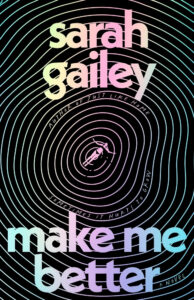
Sarah Gailey, Make Me Better
(Tor, May 12)
Another excellent entry into the growing genre of wellness horror! This one’s from horror writer extraordinaire Sarah Gailey, whose career I have been eagerly following ever since I read their sophomore novel, The Echo Wife. Make Me Better lives up to Gailey’s stellar reputation from the get-go, with a sternly worded dedication warning of the futility of side-stepping grief. And yet that is exactly the intent of Gailey’s terribly avoidant characters, who’ve marooned themselves on an island promising the unpromiseable, with predictably dire results.
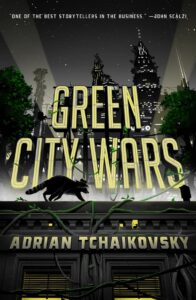
Adrian Tchaikovsky, Green City Wars
(Tor, June 23)
Animals solving mysteries? You might be forgiven for considering that image cute, given the new film featuring Hugh Jackman and a bunch of sheep, but the animals in Green City Wars live Hobbesian lives: nasty, brutish, and short. They’ve been bioengineered as “little helpers” to keep the future’s green cities functioning properly and looking pristine, an easy enough set of tasks to accomplish with the brain juice boosters that activate their genetically modified intelligence. There’s a whole lot of animals competing for very few resources, including tightly controlled access to the medicine that keeps them, for lack of a better word, human, and every interstitial space in the city is alive with conflict between the gangs of armed critters ready to kill for resources, pride, and politics. The parrots are, of course, anarchists. And there’s a mouse on the loose with some very dangerous chemical equations that could blow the whole shebang to smithereens…And one tough little PI raccoon ready to do whatever it takes to stop him. This book is so adorable. And so murderous. Just like nature.

Daniel Kraus, The Sixth Nik
(Saga, June 23)
Hot off the heels of his well-received Angel Down, and with several film adaptations under his belt or in the works, Daniel Kraus is having a moment, with two novels publishing this year: the self-explanatory film criticism book Partially Devoured: How Night of the Living Dead Saved My Life and Changed the World, and the space horror novel The Sixth Nik, which I finished reading late last night and which completely and utterly destroyed me. In The Sixth Nik, a young girl is tasked with an epic quest to a dark truth, for a work reminiscent of Ender’s Game and Dan Simmons’ Hyperion, neither of which had been read by Kraus before writing this novel (as the publisher’s introductory note has assured me). A ridiculously awesome book, with a shattering finale.
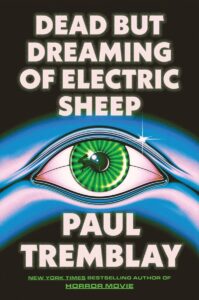
Paul Tremblay, Dead but Dreaming of Electric Sheep
(William Morrow, June 30)
A semi-professional Twitch streamer is hired to pilot a mostly-dead corpse from coast to coast in a grotesque display of proprietary technology—a plot reminiscent of nothing so much as Weekend at Bernie’s, oft-mentioned by the novel’s knowing protagonist, and a signature example of Paul Tremblay’s wacky influences and deadly serious applications.
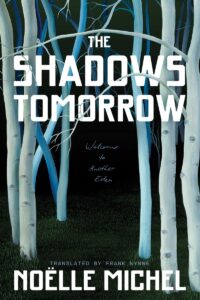
Noëlle Michel, The Shadows Tomorrow
Translated by Frank Wynne
(Simon & Schuster, August 4)
In Noëlle Michel’s newly translated parable of society and spectacle, Neanderthals have been brought back to life—and made the subject of an enormously popular reality show from within their nature reserve. Could the world’s ongoing obsession with the minutiae of their lives be covering more sinister purposes for their renewed existence? What part do humans play in the unfolding drama, as perpetrators, collaborators, bystanders, or allies? A passionate and altogether fascinating entry into the world of speculative thrillers, The Shadows Tomorrow is a must-read.