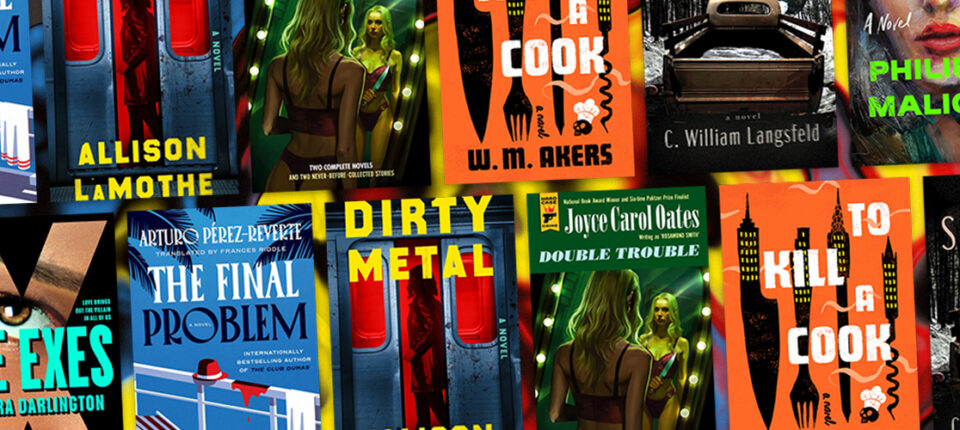
There are so many good books in February. It is ridiculous. This treasure trove of thrillers, this delightful dip into fictional dangers, this masterclass in mysteries…it shouldn’t be allowed. I mean, we have things to do. Places to be. Work to get done. And yet, whatever your preference, there is a book ready to fulfill every niche trope, every structural desire, every perfectly imperfect character, every agonizing predicament you could ever want to read about. I’m sorry. You’re welcome.
As always, all blurbs are written by yours truly unless otherwise stated.
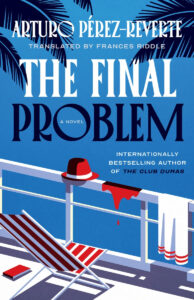
Arturo Pérez-Reverte, The Final Problem
(Mulholland)
Acting as a detective doesn’t make you into a detective, but what if you play a detective for, say, decades? And that detective is Sherlock Holmes? And then you are trapped on a Greek island during a 100-year storm and a dead body pops up and you might as well try to solve the crime, just to get everyone off your back so you can go back to playing chess with the pulp fiction writer who’s been helping with the investigation. That’s the premise of Arturo Perez-Reverte’s brilliant, sly, and entirely reverential metamystery, set in 1960 and featuring the ultimate test of acting: solving as crime as your character. The Final Problem is, in short, the ultimate loving ode to Golden Age detective fiction, made all the more remarkable for its place among the competition.
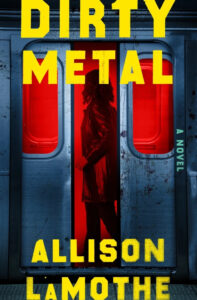
Allison LaMothe, Dirty Metal
(Flatiron)
In Allison LaMothe’s standout debut, Dirty Metal, a tabloid reporter is covering the arrival of a new generation of Russian gangsters settling into Brighton Beach after the fall of the Soviet Union, when suddenly a murder pops up on her radar, and she finds herself running a dangerous gauntlet. LaMothe is a startling and original talent and her new book may just be the year’s big breakout debut. –Dwyer Murphy
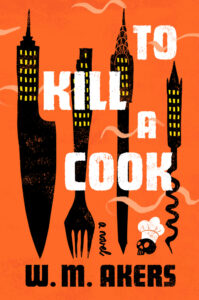
WM Akers, To Kill a Cook
(GP Putnam’s)
I have long thought that “food critic” is an amazing day job for an amateur detective; points already to W.M. Akers for discovering this, as well. The rest of the story is tons of a fun; it’s set in 1970s NYC, and introduces us to tough-as-nails, fast-talking restaurant critic Bernice Black, who finds herself in a whole new kind of culinary disaster when she discovers the severed head of her chef friend inside a jellied aspic. –Olivia Rutigliano
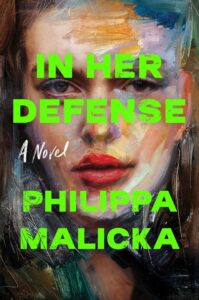
Philippa Malicka, In Her Defense
(Scribner)
In this excellent psychological thriller with legal elements, an epic battle over a young woman’s future looms between her famous mother and her cult-leader therapist, and all roads to resolution lead back to a series of encounters in Italy with vast ramifications for the current court case. Malicka has crafted a complex psychological puzzle with a thoroughly satisfying ending, and I can’t recommend this book enough.

C. William Langsfeld, Salvation
(Counterpoint)
In a small Colorado town, a man’s murder at his best friend’s hand sets the stage for a slowly-unfolding tragedy and the investigation into where it all began. Langsfeld handles the difficult material with a delicate hand, telling a compelling story of survival and violence. –DM
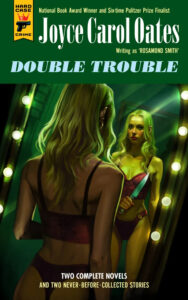
Joyce Carol Oates, Double Trouble
(Hard Case Crime)
This well-named volume is the gift that keeps on giving: it’s two novels and a few never-before-seen short stories, all in one handy binding. One story is about a female serial killer who comes back into the orbit of her twin sister, while the other is about a male serial killer who kills for the woman he loves. Joyce Carol Oates can write a masterpiece in any genre, and her forays into thrillers and pulp are some of her most exciting contributions. –OR
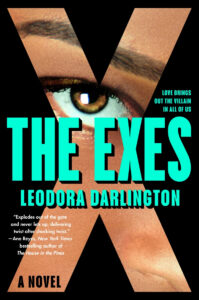
Leodora Darlington, The Exes
(Dutton)
The Exes has a clever set-up: a woman with a trail of dead fiances finds her current partner has been keeping secrets. What part did she play in the deaths of her ex-lovers, and how can she make sure history doesn’t repeat itself? The characterization is particularly apt, with seeming opposites yielding to slowly emerging parallels, revealing and structuring in equal measure.
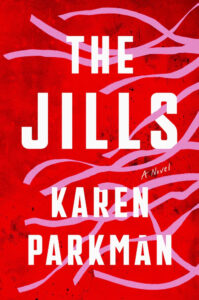
Karen Parkman, The Jills
(Ballantine)
The Buffalo Jills were the first pro-football cheerleading team to unionize, which perhaps is why the team so aggressively eliminated its star supporters from the sidelines (the team was dissolved soon after organizing). In The Jills, a cheerleader goes missing at the start of the novel, leading her ever-capable friend & teammate down a dark rabbithole that touches on every crisis of upstate New York. As we’ve learned from Dare Me, Tik Tok, and countless reality TV shows, there is nothing more noir than cheerleading.
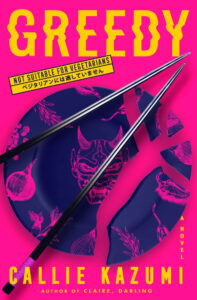
Callie Kazumi, Greedy
(Bantam)
Kazumi’s sophomore effort follows a desperate gambler who stumbles on a sweet new gig: private chef to an eccentric billionaire with unusual tastes. While he adores the new creativity he can bring to his work (and the breathing room he’s earned from the Yakuza’s collectors) he’s worried about his ability to turn a blind eye to his employer’s mysterious sourcing of meat… A mouth-watering parable of complicity & consumption under capitalism.