Good drama—the juicy kind that propels you to read into the late hours of the night—is driven by compelling characters. These are characters you can’t look away from because you relate to them—you see yourself in them—but they have taken things to a drastically bad new level of decision-making.
Most of us can relate to the emotions of envy, pride, and greed. They are feelings that underlie and stem from a deeper need: a desire to fill a void. Envy comes from a need to be “good enough.” Pride comes from a need to protect your ego and put yourself above others. Greed comes from a need to have more than your share, and is usually an attempt to fill a spiritual emptiness with material goods.
It’s no surprise that these are three of the seven deadly sins—greed, pride, envy, wrath, lust, gluttony, and sloth being the full list—and are known to be moral vices that lead to spiritual decay, bad decisions, and emptiness.
When fictional characters have no ability to balance these needs with a conscience or the thoughts of others, they let those sinful desires take over. And that makes for good drama.
It’s natural, then, that when readers encounter characters who embody the opposite of these desires—characters who have humility, generosity, and kindness in the face of adversity—there is a deep desire to see good win out over evil. We root for virtuous characters to overcome the bad ones.
Domestic thrillers are more subtle than action thrillers. They depend upon the person sitting across from you at dinner, your neighbor, your best friend, or even yourself, being the suspect.
Enter morally grey characters. These characters exemplify the push and pull of dark emotions. Take Brenda: she envies her high school best friend, Cora, who married a Silicon Valley CEO and launched her own successful clothing line. Meanwhile, Brenda’s own career has stalled, and her husband has become an emotionally unavailable serial gambler. When Brenda attends Cora’s glitzy anniversary party and uncovers a secret that could destroy Cora—while providing the funds to buy Brenda’s own freedom—it’s fascinating for readers to watch her internal struggle. Which emotion will win out?
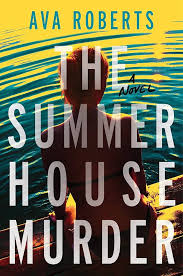
Exploring the darker side of the human psyche is exactly what I like to write about. Whenever I start a new book, I begin with emotions as a theme. For The Summer House Murder, I chose pride and envy. Three sisters return to their summer lake house carrying their own secrets. The oldest, Esme, has a husband who is cheating, and pride keeps her from handling it the right way. Regina, the middle sister, is a sarcastic rule-breaker, and she envies her sisters’ wealth. Piper, the youngest, anxious sister, is a new mother and envies her sisters’ relationship and their ease with parenting as she struggles with her four-month-old baby. Their cousin Alexis, who lived with them for a short time when she was younger, envies the sisters’ closeness—and their lifestyle and sisterhood she’s always felt pushed out of. Each woman handles her emotions very differently, and when a woman’s body is discovered in the lake after a huge fight between them, the tangled web gets deeper and darker. The more we learn, the more complex those emotions get, and we have to figure out who is responsible for her death.
The best fiction comes from watching real characters struggle with real feelings—their emotions are just turned up, dialed in, and larger than life. The stakes are higher, but ultimately, we recognize ourselves in those struggles. When those emotions resolve, the book resonates and keeps the reader invested until the final page.
***