My new Mercury Carter thriller, The Delivery (Mysterious Press, March 24), finds Carter in Providence, Rhode Island, where the freelance mailman’s latest delivery hits (of course) unexpected complications. Fleshing out more of Carter’s personality during the novel’s writing, I was surprised to realize one day that his character has been significantly influenced not just by books but Hollywood as well. Specifically, early 1970s TV and film action dramas that I inhaled as a boy.
Certainly, as a lifelong fan of mystery novels, I turned first to my favorite lone-wolf literary protagonists when creating Carter, a federal agent turned independent courier who doesn’t take kindly to disruptions of his deliveries. Along the way, I was attracted to characters notable for keeping their heads down and fists up, avoiding flash and unnecessary intimidation in favor of quietly getting the job done. Among my favorites in this vein: Robert B. Parker’s sensitive tough-guy Spenser, Stuart Kaminsky’s unflappable process server Lou Fonesca, Lee Child’s stoical but deadly Jack Reacher, Lawrence Block’s laconic unlicensed private eye Matt Scudder, and Thomas Perry’s measured Jane Whitefield, known for her ability to help people in trouble disappear permanently with fresh identities. (Sadly, Perry’s untimely death last year means the new Whitefield novel, The Tree of Light and Flowers, is the last book from this prodigious talent.)
Then came my TV revelation.
I was embarrassed by this insight at first, believing it tarnished Carter’s literary bona fides. But the more I thought about it, the more it made sense. Stephen King observed in a CrimeReads essay last year that his first editor once said that King, “has a projector in his head.” King went on to write: “There’s some truth to that, but the same can be said for almost every writer of fiction now alive. We were all exposed to stories on movie screens or TV sets before we could read, and first impressions are lasting impressions.“
Next, some present-day context. There’s no question that in fashioning Carter, I’m indebted to the on-screen performances of Denzel Washington as the unassuming but lethal “Equalizer” Robert McCall, or Jonathan Banks as the no frills bad-ass Mike Ehrmantraut in both “Breaking Bad” and the sequel, “Better Call Saul.” I even credit flat-affect Data, the android played by Brent Spiner on Star Trek: The Next Generation (and several movies), for informing Carter’s level-headed demeanor.
However, the real screen influences baked into my crime novelist DNA go back at least fifty years. True, some aspects of these semi-ancient shows haven’t aged well, including tone deaf cultural casting and glacial fight scenes compared to today’s choreography (I’m looking at you, slo-mo montages). Nevertheless, they made a lasting impression on me and, consciously or not, on my creation of Mercury Carter.
Therefore, with apologies to Carter’s compatriots on the printed page, here are three cinematic roles that helped bring Carter to life.
Billy Jack, played by Tom Laughlin in four action films about the part-Navajo Vietnam veteran, including 1971’s eponymous Billy Jack. In a famous diner scene, Jack intervenes when a group of mouth breathers harasses students refused service at an ice cream shop because some are Native Americans. Cue Jack’s fists and feet. “Lot of stupid people in this world, aren’t there?” Jack says softly to a rescued child after the fight, as three overwhelmed toughs lie senseless in and out of the diner. Yes, indeed.
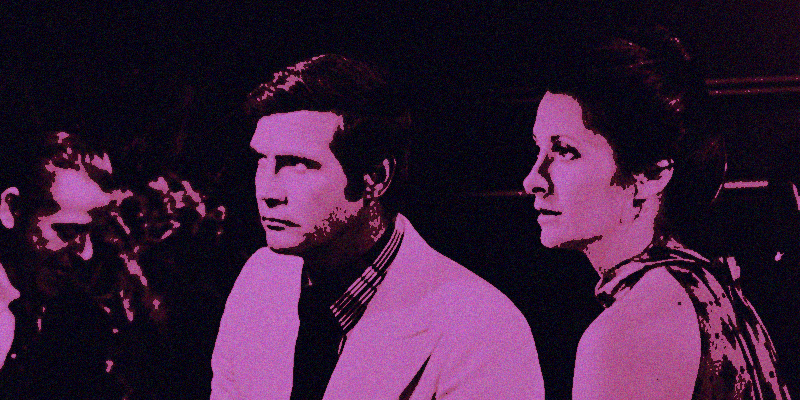
Steve Austin, the Six Million Dollar (bionic) Man, played by Lee Majors in the 1973-1978 action and sci-fi drama. Sure, $6 million would probably buy you a single bionic pinkie these days. But millions went farther in the 1970s, and Austin’s over-the-top physical attributes—packaged in a fit but normal-looking body—gave this budding author more than his money’s worth. Both Austin and Carter share a “born anew” back story, with Austin fitted with his bionic eye, arm, and legs after surviving a crash on the moon, while Carter must reinvent himself after he narrowly survives being shot in the head. Like Carter, Austin is quiet and workmanlike, even coming off as sheepish at times when forced to use his powers for good. “Well, I hate to brag,” Austin says when asked whether he’s as strong as four men (he is), in a voice he might be using to tell the time of day.
Kwai-Chang Caine, played by David Carradine in the 1972-1975 martial arts western drama, Kung Fu, and probably the strongest of Mercury Carter’s TV influences. Carter’s professional code of ethics is clear: He wants to make his intended cross-country deliveries, always to the designated recipient (no, “You can just drop it with me,” allowed), and return home to his quiet life in Rochester, New York, with his wife, Tomeka. Inevitably, bad actors get in his way, even when he’s delivering something as innocent as a handwritten family recipe or a French Bulldog puppy. Inevitably, Carter sighs, rolls up his sleeves, and takes out the garbage. Similarly, Caine just wants to be left alone as he wanders the Old West in search of his half-brother, and like clockwork, ne’er-do-wells try to stop him. As with people in Carter’s way, these assaults don’t turn out well for Caine’s opponents. Also, as with Carter, no post-fight quips: Caine often walks away from brutal encounters without comment and his eyes on the next horizon.
My first and last influences will always come from the pages of books. But I’m grateful for the inspiration that these actors and scenes, even hokey as they seem now, gave this young writer-in-training.
***