
In the shadowy corners of crime fiction, few tropes seduce and terrify quite like the cult. These aren’t your garden-variety doomsday groups huddled in remote compounds chugging Kool-Aid; I’m talking about the elite, enigmatic societies that cloak their manipulations in luxury, enlightenment, and a veneer of exclusivity. Think Eyes Wide Shut reimagined through the lens of a high-end wellness retreat—opulent spas, charismatic gurus, and rituals that promise transcendence but deliver something far darker.
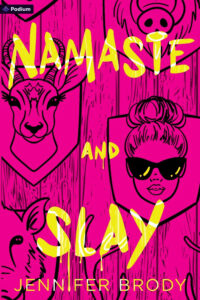
As a writer obsessed with the intersection of social media-driven self-improvement and sinister control, I’ve always been drawn to stories where the pursuit of perfection unravels into paranoia, betrayal, and bloodshed. My latest novel, Namaste and Slay, dives headfirst into this clandestine world—a heartbroken woman fresh off a break-up when she caught her boyfriend cheating seeks solace at an ultra-exclusive women’s retreat in the Berkshires, only to uncover strange disappearances, forbidden rites, and a dark force that might be hunting them, turning yoga mats into crime scenes. It’s a tale of empowerment gone lethally awry, blending dark romance with thriller chills.
What makes these cult narratives so addictive? They tap into our collective unease about surrender—handing over our autonomy to a higher power, whether it’s a guru, a secret society, or even our own quest for inner peace—and cutting ourselves off from the outside world. Literally. At the Namaste Center, there’s no Wi-Fi or internet, and smart phones are strictly forbidden. In an era where wellness culture has ballooned into a multibillion-dollar industry, promising salvation through green juices and sound baths, these stories expose the rot beneath the glow. They remind us that the most dangerous cults aren’t always the obvious ones; they’re the seductive invitations to belong, to ascend, to shed our flawed selves.
And when that invitation turns into a coercive trap off the grid, the thriller kicks in. Below, I’ve curated a list of my top cult thrillers—each one a perfect companion to Namaste and Slay. These novels capture that intoxicating mix of glamour, mystery, and menace, where the elite play god and the outsiders pay the price.
These thrillers aren’t just escapist reads; they’re cautionary tales about the perils of seeking salvation in the wrong places. In a world saturated with self-help saviors, they probe the fine line between community and control, glamour and gaslighting. Writing Namaste and Slay, I drew from this tradition, partially inspired by my time working in Hollywood and living in LA (its own sort of dark cult), crafting a story where a wellness retreat becomes a battleground for survival and self-discovery. If these books leave you craving more, dive into my novel—it’s your invitation to a world where namaste meets slay. Who knows? It might just awaken something dangerous in you.

Sarah Pearse, The Retreat
Let’s start with Sarah Pearse’s The Retreat (2021), a chilling locked-room mystery set on a remote island off the English coast. The Lumen resort is billed as a haven for rejuvenation: sleek architecture, ocean views, and programs designed to heal the soul. But this paradise has a cursed history—once the site of a serial killer’s playground—and when a storm cuts off the guests, bodies start dropping. Detective Elin Warner arrives to investigate a woman’s death, uncovering buried secrets and a web of control that feels eerily cult-like. Pearse masterfully builds tension through isolation, where the elite guests’ polished facades crack under pressure. The razor-sharp edge comes from the retreat’s manipulative dynamics: trust-building exercises that expose vulnerabilities, only to exploit them. It’s luxurious escapism turned nightmare, much like the Namaste Center in my book, where wellness rituals mask something predatory. If you’ve ever wondered if that pricey yoga getaway might hide horrors, The Retreat will have you second-guessing your next vacation booking.

Alex Michaelides, The Maidens
Shifting to academia’s hallowed halls, Alex Michaelides’ The Maidens (2021) weaves Greek mythology into a tale of obsession and ritual murder at Cambridge University. Group therapist Mariana Andros rushes to her niece’s side after a student is killed, only to suspect Edward Fosca, a charismatic professor who leads “The Maidens”—a secretive circle of beautiful, brilliant female students devoted to him. They study ancient rites, but the killings echo Persephone’s descent into the underworld, complete with symbolic postcards and forbidden ceremonies. Michaelides blends intellectual prestige with erotic undertones, evoking Eyes Wide Shut’s masked intrigue. The cult vibe stems from Fosca’s magnetic pull, turning admiration into worship and dissent into danger. As Mariana infiltrates the group, she confronts her own grief, blurring the line between hunter and hunted. This one’s addictive for its psychological depth, mirroring how Namaste and Slay explores the allure of a cult leader figure like Guru Shava in my book, who promises healing but demands total submission. It’s a reminder that even in ivory towers, power corrupts absolutely.

Leigh Bardugo, Ninth House
Continuing the dark academia vibes, for a dose of Ivy League occultism, Leigh Bardugo’s Ninth House (2019) plunges into Yale’s underbelly, where ancient secret societies wield real magic for the elite. Galaxy “Alex” Stern, a survivor with the ability to see ghosts, is recruited to monitor these “Houses”—from Skull and Bones-inspired rituals to summonings that fuel Wall Street fortunes. When a girl is murdered on campus, Alex uncovers gruesome ceremonies and a conspiracy that protects the powerful at any cost. Bardugo’s world-building is immersive, painting Yale as a gothic playground where the privileged dabble in dark forces, policed by haunted outsiders like Alex. The cult element shines in the societies’ exclusivity: initiation rites that bind members in blood and secrecy, echoing the seductive hierarchies in wellness cults. It’s shadowy intrigue at its most addictive, paralleling the hidden agendas in Namaste and Slay, where a retreat’s “inner circle” guards lethal truths. If you crave fantasy-tinged thrillers, this one’s a gateway drug.

Mona Awad, Rouge
Mona Awad’s Rouge (2023) takes the beauty industry to hallucinatory extremes, following Mirabelle Nour as she travels to California after her mother’s mysterious death. Drawn into Rouge, a hypnotic desert spa promising eternal youth, Mira encounters a cult of skincare obsessives whose rituals involve mirrors, red jellyfish, and soul-sucking pursuits of perfection. Awad’s prose is surreal and biting, blending horror with satire on racial identity and beauty standards. The spa’s luxurious facade hides a predatory undercurrent—treatments that warp reality, exposing the dark side of self-optimization. This resonates deeply with Namaste and Slay’s theme of wellness as a trap, where the quest for inner beauty devolves into outer madness. Awad nails the hypnotic pull of these spaces, making Rouge a fever dream you can’t shake.

Janelle Brown, I’ll Be You
Janelle Brown’s I’ll Be You (2023) explores sibling bonds through the lens of a California wellness cult. Identical twins Sam and Elli, former child stars, have drifted apart: Sam’s battling addiction, while Elli’s embraced motherhood and self-help. When Elli vanishes after joining a secretive group called GenFem—promising empowerment through seminars and “enlightenment”—Sam impersonates her to infiltrate it. What unfolds is a twisty tale of identity theft, manipulation, and buried family secrets. Brown’s pacing is relentless, highlighting how cults prey on vulnerabilities, layering luxury (think Ojai spas and guru-led retreats) with coercion. The seductive vibe comes from GenFem’s promise of reinvention, much like the transformative allure in Namaste and Slay. It’s a gripping study of twins as mirrors, reflecting how cults distort self-perception.

Amina Akhtar, Kismet
Finally, Amina Akhtar’s Kismet (2024) skewers Sedona’s crystal-clutching scene with murderous wit. Ronnie Khan, a New Yorker escaping her abusive past, follows wellness influencer Marley to Arizona’s red rocks. What starts as downward dogs and aura cleansings spirals into rivalries, esoteric power plays, and bodies piling up amid the vortexes. Akhtar’s satire is sharp, exposing the performative spirituality of influencers while delivering thriller thrills. The cult energy pulses through the “glittering guru” crowd, where enlightenment hides cutthroat ambition. It vibes with Namaste and Slay’s luxury-gone-wrong ethos, blending humor with horror in a desert of deception.
***