Gothic fiction: the lush sister to stripped-down noir. Just as atmospheric, just as hard to define. But we know it when we see it! And we’re here to celebrate all the many new additions to the gothic canon, as the revival and renewal of the genre continues.
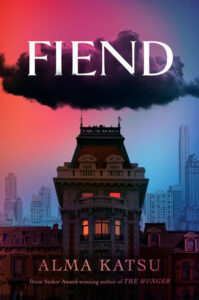
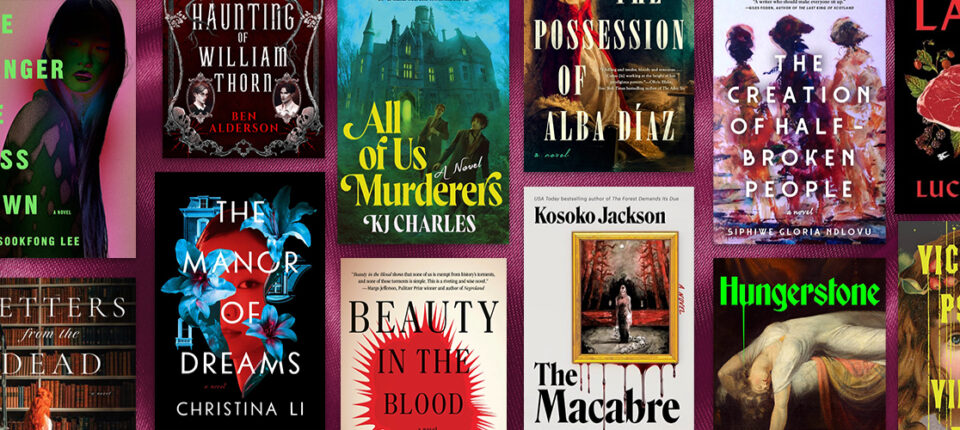
Fiend, Alma Katsu
Succession, with demons! Alma Katsu has written a—bear with me—fiendishly delightful tale of a dysfunctional family whose multigenerational power comes from harnessing the energy of a rather unpredictable force. The ending left me stunned—and so, so satisfied.
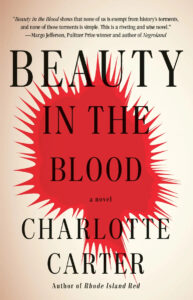
Beauty in the Blood, Charlotte Carter
(Vintage)
When her favorite inmate tracks her down and asks for a desperate favor, a former prison guard finds herself investigating a mystery of epic proportions that strikes at the heart of American hypocrisy.
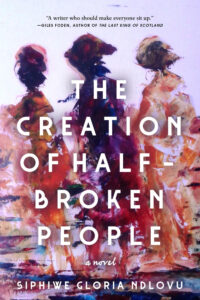
The Creation of Half-Broken People, Siphiwe Gloria Ndlovu
(Anansi International)
Siphiwe Gloria Ndlovu playfully reclaims tropes and places them in a context of post-colonial processing in this impeccably assembled African gothic. The Creation of Half-Broken People centers around an ambitious family who skillfully transitioned from rampant colonial plunder to cultural preservation. Our heroine has become entangled in the family’s dark machinations, her experience full of sly nods to classic literature and plenty of startling reversals in perspective. An essential addition to the growing gothic canon!
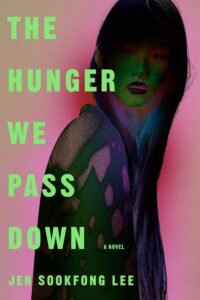
The Hunger We Pass Down, Jen Sookfong Lee
(Erewhon)
Jen Sookfong Lee’s gorgeous and devastating novel uses hauntings to explore the long shadows of intergenerational suffering. The Hunger We Pass Down splits its narrative between a modern-day tale of isolation and domestic horror, and the visceral terrors of WWII, weaving together legends, symbols, and real-life traumas, for one of the most healing books of the year.
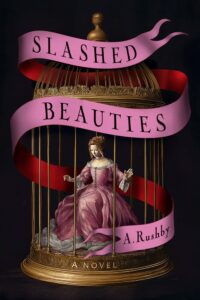
Slashed Beauties, A. Rushby
(Berkley)
Back in the 18th century, they used to think the only way to get medical students to study was to provide them with infamously beautiful anatomical models to dissect (and, presumably, admire). In this haunting gothic tale, these “Venuses” have the power to create obsessions so all-consuming they result in death; an art collector goes up against their crazed defenders when she intends to destroy them, once and for all.
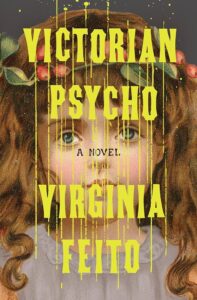
Victorian Psycho, Virginia Feito
(Liveright)
This book is so nasty, in the best way. A governess with a host of secrets begins a new job corralling a wealthy family’s ill-behaved brats, ready to give them her lackadaisical all, but her bad luck, strange behaviors, and even stranger appetites can only result in a delightfully vicious bloodbath. Feito’s novel reads like Henry James on steroids.
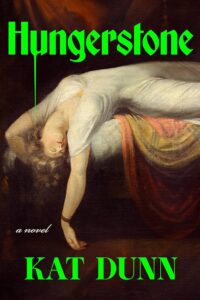
Hungerstone, Kat Dunn
(Zando)
Before the very gay Dracula was ever conceived, there was the much gayer Carmilla—a queer-coded novella of female desire and insatiable hunger. Kat Dunn has taken that original inspiration and made it much stranger (and hotter), as we follow the journey of an unhappy aristocratic wife slowly coming to embrace her unholy appetites, under the guidance of an extremely sexy vampire/chaos queen. *fans self*
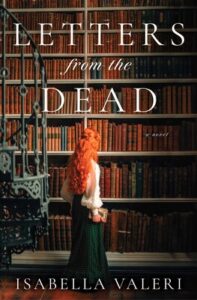
Letters from the Dead, Isabella Valeri
(Atria/Emily Bestler)
In Valeri’s atmospheric, moody new work, an aristocratic girl growing up in a decaying manor must contend with her family’s fading fortunes, her brother’s growing sadism, and her parents’ determination to control her, while discovering a love of learning and a talent for behind-the-scenes power politics. It’s always fun to read a Machiavellian origin story, especially with such a fierce heroine and such despicable villains, and while this volume ends in a cliffhanger, you can read the next installment of Valeri’s saga, The Prodigal Daughter, this upcoming July.
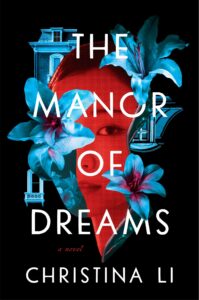
The Manor of Dreams, Christina Li
(Avid Reader/Simon & Schuster)
Christina Lee’s debut is a lushly crafted haunted house gothic, full of family secrets and forbidden romance and grounded in Hollywood’s long history of racism & patriarchy. When the first Asian-American woman to win an Oscar dies after a lengthy estrangement from her daughters, she leaves her crumbling estate to the child of her former employees. Her own daughters refuse to accept the will’s startling stipulations without a fight, and as the families complete biltong over the manor, supernatural forces work to reveal hidden truths and enact violent revenge for past injustices.
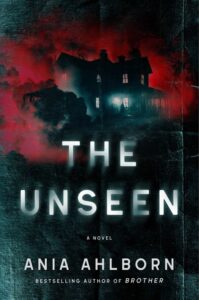
The Unseen, Ania Ahlborn
(Gallery)
A family in Colorado takes in a feral child, only to immediately experience a variety of strange and violent happenings. Is their new family member at fault? Or is there something worse hiding in the woods around them? Ahlborn’s take on the classic changeling narrative is an essential addition to the growing canon of grief horror.
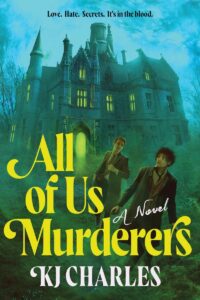
All of Us Murderers, KJ Charles
(Poisoned Pen Press)
I loved this book so much, from the gender-queered Georgette Heyer cover to the last thrilling line. At the turn of the 20th century, the fractious and estranged Wyckham clan gathers at a dilapidated country estate to dispute their future inheritance. Soon enough, the guests start dropping like flies, whether from jealous relations or supernatural entities, and you’ll have to finish the book to find out if anyone’s left alive by the end of the weekend.
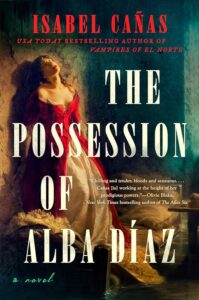
The Possession of Alba Díaz, Isabel Cañas
(Berkley)
In mid-18th century New Spain, a plague in Zacatecas sends a young woman and her family to her fiancés remote silver mine, where an ancient evil awaits. Isabel Cañas has quickly become a superstar of historical fiction, and this one is her best yet!
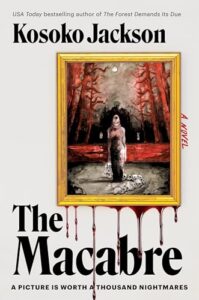
The Macabre, Kosoko Jackson
(Harper Voyager)
When Jackson’s artist protagonist heads to London to take up a prestigious residency, he has no idea that the British Museum plans to use his talents towards a rather different end: he must work with the Museum’s eccentric, globe-trotting, magic-wielding specialists to locate and destroy nine malevolent paintings first created by his distant ancestor, and potentially able to destroy the entire world.

The Lamb, Lucy Rose
(Harper)
The Lamb is a dark fairy tale in which a young girl tries to help satisfy her mother’s insatiable craving for human flesh, culled from those they call “strays”—most hikers and homeless people lost in the dense forest surrounding their little home. When a new arrival ingratiates herself to the family and romances the girl’s mother, she threatens to disrupt the family’s careful balance, and spurs Rose’s child narrator to drastic efforts in restoring their lives to a semblance of normality.
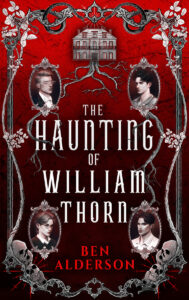
The Haunting of William Thorn, Ben Alderson
(Angry Robot)
After the titular main character catches his fiance cheating on him, only to immediately lose him to a car accident, that’s whiplash enough—he certainly doesn’t need the problems of a haunted country estate to add to his plate. But his fiance has indeed left William Thorne a haunted estate, and there he must go, to process his grief and guilt, and shut himself away from society. The only problem? The estate is really, truly, haunted, and he must team up with a mysterious and handsome visitor to lay the ghosts of the manor to rest, or face the deadly consequences of their fury.