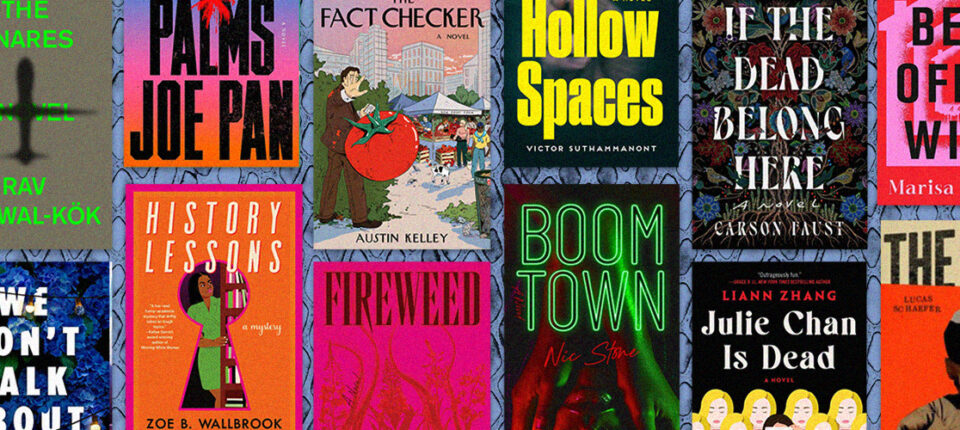
This year’s debut thrillers were fierce, fast-paced, and unafraid, heralding the entrance of powerful new voices, and demonstrating the incredible flexibility inherent to crime fiction’s seemingly structured set-ups. The following novels are ready to twist familiar tropes and mold the genre to fit storytellers’ needs, while paying homage to those who have gone before, and the long-term evolution of thrillers and mysteries. As usual, it was tricky to keep this list to just a few titles, so I ended up including 15 first works, each as different from the others in subject as it is similar in quality. Enjoy!
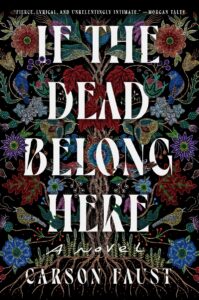
If the Dead Belong Here, Carson Faust
(Viking)
In this gothic tale, informed by historical traumas and immersed in indigenous legend, a young girl’s disappearance forms the catalyst for her older sister’s urgent quest: she must lay the family’s ghosts to rest before she can reunite with her beloved sibling. An atmospheric and haunting spiritual journey that proves the gothic revival is still in full swing!
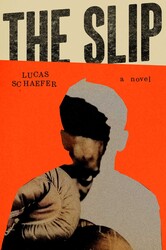
The Slip, Lucas Schaefer
(Simon and Schuster)
Schaefer’s debut novel is one of the year’s big standouts, and with good reason: it’s a powerful portrait of modern America, packed inside a suspenseful tale of identify and transformation. A boxing gym in Austin, Texas, circa 1998, supplies the story with its setting and cast, a colorful array of local boxers and trainers that swallows up a sixteen year old and, a decade later, helps an uncle investigate what really happened back then. Schaefer gives us unforgettable characters working through big emotions, balancing perfectly the intimate and the national in this quietly epic mystery novel. –DM

The Snares, Rav Grewal-Kök
(Random House)
In Rav Grewal-Kök’s brilliant and tragic sendoff of the post-9/11 world, a bored bureaucrat is recruited to approve suggested targets for the nascent drone program. Instead of fighting for democracy, he finds himself set up as the patsy for a deeply racist and bloodthirsty initiative, as inescapable as it is diabolic. If Graham Greene had written a Shakespearian tragedy, it would read something like this.
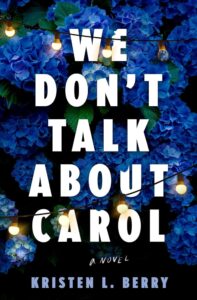
We Don’t Talk About Carol, Kristen L. Berry
(Bantam)
Kristen L. Berry’s explosive debut tracks the long and buried history of missing young Black girls through a singular protagonist: one bent on finding out the truth behind her aunt’s long-ago disappearance. We Don’t Talk About Carol is devastating, necessary, and not to be missed.

Florida Palms, Joe Pan
(Simon & Schuster)
In this debut novel, a group of friends in need of work move into the orbit of a biker gang and start running designer drugs up and down the East Coast. It’s a dark coming-of-age novel with ambitious scope and a compelling set of characters. –DM
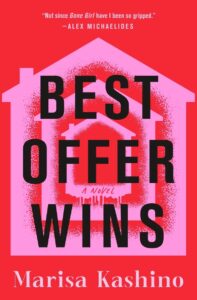
Best Offer Wins, Marisa Kashino
(Celadon)
Marisa Kashino’s razor-sharp thriller is a perfect sendoff of an impossible housing market and the endless quest for status and stability. Best Offer Wins follows a couple on their house search in Bethesda, Maryland, one of the most difficult places to secure a new home in the nation. They’ve been putting off having children until they’re out of their cramped apartment, and when the perfect house comes on the market, Kashino’s heroine finds herself ready to engage in escalating extrajudicial efforts to make the home her own, up to and including ditching her dithering husband, blackmailing the current owners, and even committing the cardinal sin: murder.
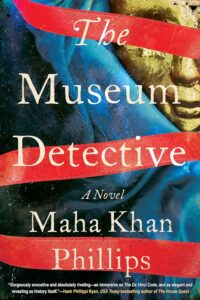
The Museum Detective, Maha Khan Phillips
(Soho)
As The Museum Detective begins, an archaeologist gets a call from the police to identify a body—specifically, a mummy preserved in a highly unusual sarcophagus. Just about everyone would like to get their hands on the find, for profit or for politics, and it’s up to the novel’s titular museum worker to protect the museum’s precious cargo. In addition to archeological intrigue, Phillips’ beleaguered scientist searches for her missing niece, contends with workplace politics, and talks a lot about mummies.
Leverage, Amran Gowani
(Atria)
Gowani’s debut is a finance novel, a ticking-clock thriller, and a darkly funny satire of modern bro culture. A young hedge fund trader takes a massive loss, but rather than firing him, his boss gives him a deadline to recover the cash or take the fall on a government investigation. A twisted odyssey through some of the stranger and more corrupt pockets of the finance world ensues, with Gowani painting a vivid and unnervingly plausible portrait of just how much shady stuff is going out in the wilds of Wall Street. –DM
Julie Chan Is Dead, Liann Zhang
(Atria)
Titular heroine Julie Chan was separated from her twin sister Chloe after a horrendous car crash left them orphaned; Chloe’s adoption by a wealthy white family gave her the in to become a hugely successful influencer, while Julie, raised by a cantankerous and cruel aunt, has a terrible job and few prospects for the future. That is, until she finds her sister’s corpse and decides to take over Chloe’s life with the glitterati. Julie is, of course, signing up for something much darker—hilariously so, in a way that would transfer quite well to the big (or small) screen. Perfect inspiration for a social media cleanse!
The Fact Checker, Austin Kelley
(Atlantic Crime)
From a former New Yorker fact checker comes this well-crafted debut about a magazine fact checker and a missing woman. The novel follows an odyssey through New York and strikes a perfect balance of mystery, humor, and literary ingenuity. –DM
Ruth Run, Elizabeth Kaufman
(Penguin)
Elizabeth Kaufman’s page-turning debut features break-neck pacing, snappy dialogue, and a plot so choreographed I’m imagining a conspiracy board. In short, Ruth Run is a perfect thriller, and one that I hope heralds a revival of the genre—we’ve been inundated with thrillers of the psychological kind for some time, and while I have no interest in seeing those go by the wayside, it’s time for the classic thriller to get some respect (and some more readers). In Ruth Run, the titular heroine is on the lamb after her long-running banking scam is uncovered by the FBI. As I cheered from the sidelines for the plucky thief, I found myself in awe of the plot’s intricacies and clever, multiplying reversals.
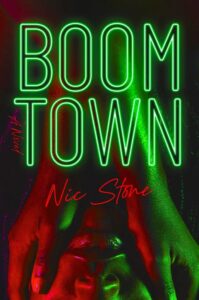
Boom Town, Nic Stone
(Simon & Schuster)
In Nic Stone’s moody, atmospheric masterpiece, a star dancer at a premier gentleman’s club in Atlanta goes looking for the fellow dancer who broke her heart before disappearing without a trace. The search will lead her to the seediest corners of her city, and some of the most surprising. Red herrings and strange characters, big entrances and skimpy outfits: Boom Town has it all, for a perfectly put-together noir that will leave you reeling.
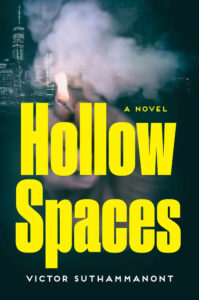
Hollow Spaces, Victor Suthammanont
(Counterpoint)
It’s an excellent year for legal thrillers, but Hollow Spaces is something else: a psychological thriller about lawyers, in which the adult children of an acquitted murderer are spurred to reinvestigate the case that once tore their family apart. Interspersed are moments from 30 years before, told from their father’s perspective, as he navigates the tightrope of working as the only Asian-American partner in a high-powered corporate firm, while having a passionate affair with the soon-to-be murder victim. A delicate and devastating portrait of the limits of the American dream, deeply resonant in today’s landscape.
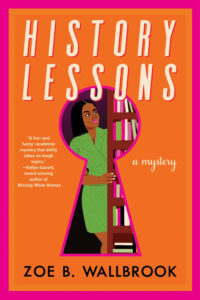
History Lessons, Zoe B. Wallbrook
(Soho)
An ode to academic curiosity, in the form of a mystery novel! In History Lessons, a new professor gets mixed up in a murder case when her star professor colleague is murdered, just after sending her an enigmatic text that could be the key to cracking the case. She must solve the crime to free herself from suspicion, but mostly because she’s an academic, and they cannot leave an unsolved mystery alone. At a time when higher education is under siege, this novel will help you remember why we need (and love) the humanities.

Fireweed, Lauren Haddad
(Astra House)
Set in Prince George (Canada’s version of the rust belt), Fireweed follows a stifled housewife as she searches for her missing neighbor, a widowed mother of two and the only indigenous woman in the neighborhood. What follows is a complex examination of injustice, performativity, and intersectionality.