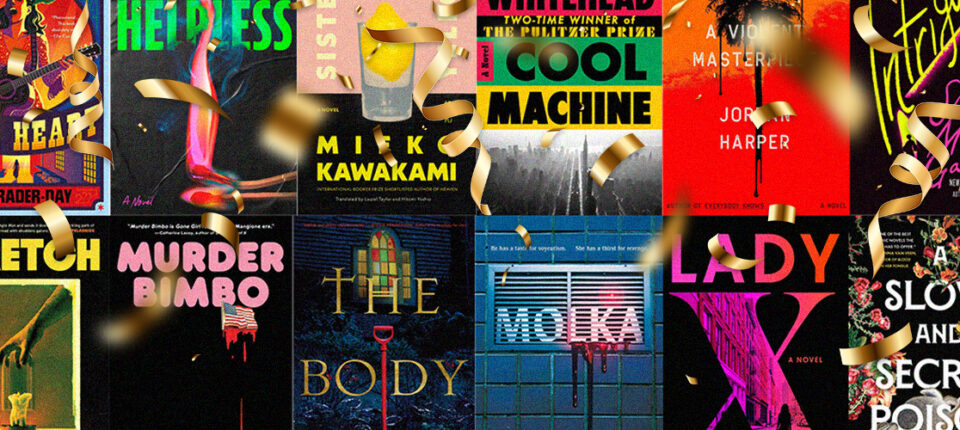
2026 has begun! Which means it is time for many, many new book recommendations. Thanks as always for reading our humble little site and our little recommendations. For every reader, there is a book, and for every crime fan, a subgenre. As usual, I’ve blended thrillers, mysteries, and horror for a wider preview of what dark genre fiction can provide the discerning reader. Enjoy!
___________________________________
JANUARY
___________________________________
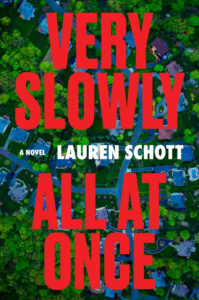
Lauren Schott, Very Slowly All at Once
(Harper)
In Lauren Schott’s blistering take on status anxiety and suburban excess, the characters are as nasty and unredeemable as that house they can’t seem to sell (or stop renovating). A sudden windfall’s arrival saves them from impending financial ruin, but as Schott’s central characters quickly begin to understand, they’ll have to sing for their supper… So deliciously crafted, and so disturbing! –MO
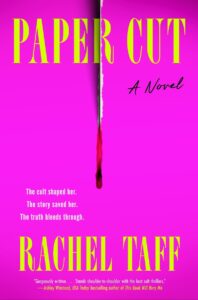
Rachel Taff, Paper Cut
(William Morrow)
Paper Cut is a moody noir-cum-psychological thriller set among a hazy California landscape of hippies, cults, scenes, and happenings. Centered on a famed photographer’s daughter made notorious for the murder she committed as a teen, and the ensuing spectacle of a trial that left the voracious public with more questions than answers, Taff’s debut is an intricate examination of coming-of-age and true crime culture. As old takes and new depictions of the crime proliferate, Paper Cut‘s heroine revisits that monumental summer that made her a killer, reexamining the roles of everyone involved, especially those who she once considered allies. –MO
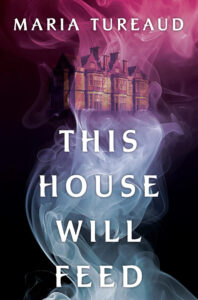
Maria Tureaud, This House Will Feed
(Kensington)
While there have been plenty of horror novels featuring cannibalism lately, none are so harrowing as Maria Tureaud’s bleak, visceral portrait of the Great Famine, and the enormity of suffering and sacrifice contained therein. In This House Will Feed, a young woman in the throes of starvation is rescued from her workhouse prison at the peak of the Irish famine and taken to live on an estate mysteriously marked not by want, but by plenty. What is the manor’s secret to their outlier status? And what shall be sacrificed to ensure their prosperity continues? This House Will Feed is a major tearjerker with a brutally realistic setting and an intensely satisfying finale. –MO
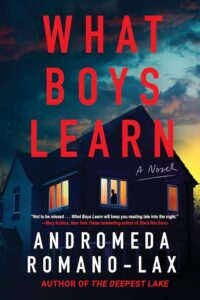
Andromeda Romano-Lax, What Boys Learn
(Soho)
Andromeda Romano-Lax’s latest packs a punch, featuring a complex set-up and a fully realized denouement. At the start of What Boys Learn, two girls on the cusp of adulthood are found dead in rapid succession, throwing their sleepy Chicago neighborhood into turmoil, and a single mother finds herself torn between protection and suspicion as more and more clues point to her son’s involvement. An urgent and uncompromising take on parenting in the age of the manosphere. –MO

Sarah Crouch, The Briars
(Atria)
Crouch’s atmospheric new thriller follows a woman fleeing her troubles to the mountains of the Pacific Northwest, where she’ll work as a game warden. But when a young woman is found murdered, the situation quickly darkens. The Briars is a first class wilderness thriller. –Dwyer Murphy
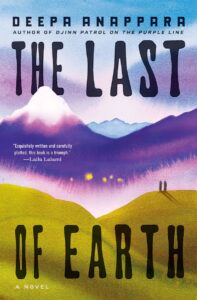
Deepa Anappara, The Last of Earth
(Random House)
Set in the mid-19th century, soon after the Indian Mutiny, The Last of Earth follows two groups of travelers as they cross the Himalayas and go deep into the forbidden-to-the-British territory of Tibet. One group seeks naturalist glory through a search for a river’s headwaters; the other finds purpose in Buddhist philosophy and landmarks. Outlaws, spies, explorers, and colonialists all collide for a work as epic as its mountainous setting (and just as breath-taking). –MO
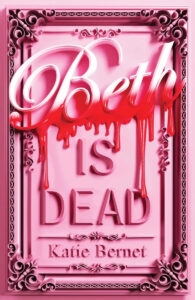
Katie Bernet, Beth Is Dead
(Sarah Barley Books)
Justice for Beth March! Beth has always been the most annoying March sister, a suffering goody two-shoes who refuses to express any dismay at her shortened existence. My chronically ill sister hated her, and I did too. But Katie Bernet’s book takes the character into new territory and brings verve and vitality to the perennial victim. Yes, Beth is dead, just as the title indicates, but why? And does it have anything to do with her father’s mega-bestseller, in which the fictional Beth dies long before the real one? Bernet’s novel is a perfect read for anyone who has ever felt dismayed at a character’s acceptance of an unacceptable situation. –MO
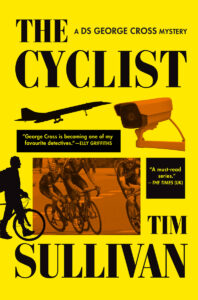
Tim Sullivan, The Cyclist
(Atlantic Crime)
In the newest DS George Cross, the ever-ingenious detective is on the trail once a body is discovered in a demolition site. The case takes him deep into a world of cyclists and drugs, a journey that exposes a surprising underbelly. –DM
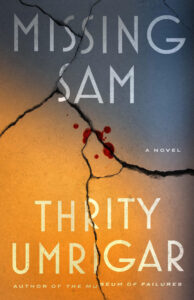
Thrity Umrigar, Missing Sam
(Algonquin)
Happily married lesbian couple Ali and Sam, an interior designer and a writing professor, find their relationship tested to the extreme in this moving and meditative thriller. When Sam vanishes on a morning run, sparking the obsessive attention of internet sleuths, Ali finds herself facing the slings and arrows of public opinion as a Muslim gay woman, the crisis revealing the limits of her acceptance into white society and the fault lines within her marriage. –MO
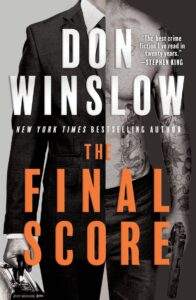
Don Winslow, The Final Score
(William Morrow)
The fact there’s a new Boone Daniels story in this collection of six short novels by crime legend Don Winslow is enough for me to dive in without looking, and “The Lunch Break” is a highlight, but as ever, Winslow really shines in the title story about a master thief facing the end of the road. Winslow has written epics that stand among the best crime fiction in recent decades (not least of all The Cartel trilogy), but he has a deft and memorable touch with the shorter forms, too. This new book is a delight. –DM
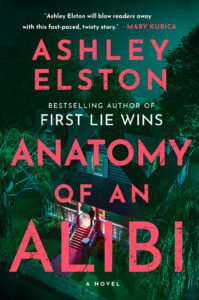
Ashley Elston, Anatomy of an Alibi
(Pamela Dorman Books)
Elston’s follow-up to the smash hit First Lie Wins takes another outrageous plot and ratchets up the adrenaline at every turn. When two women switch places to get some answers on a husband’s secrets, and he turns up dead, they rally to get their stories straight as the walls close in on them. –DM
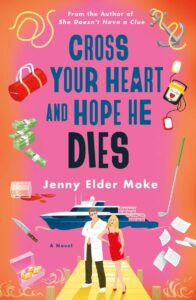
Jenny Elder Moke, Cross Your Heart and Hope He Dies
(Minotaur)
This is the charming, escapist murder-mystery romantic comedy we all need right now. It’s got it all. Eccentric rich people, shenanigans at the country club, ambitious heroines, a hero with “a heart of gold and abs of steel”… tell me you don’t want to lie on a beach and read this.–Olivia Rutigliano
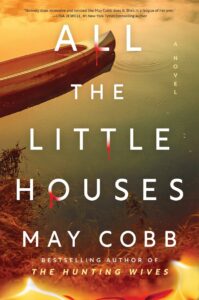
May Cobb, All the Little Houses
(Sourcebooks)
May Cobb’s new novel showcases all the setting and sass we’ve come to expect from the author of The Hunting Wives. In All the Little Houses, a status war escalates between a hometown queen bee and the popular newcomers threatening her hard-won throne, serving as a method to delve into wider truths about gender and class in small-town Texas. –MO
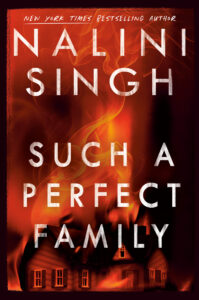
Nalini Singh, Such a Perfect Family
(Berkley)
A man with a trail dead fiancees marries a woman who immediately turns up dead…Did her family set them up just to get rid of her and blame it on the husband? Singh has crafted another delightfully engaging page-turner sure to satisfy all your marriage-plot itches. –MO
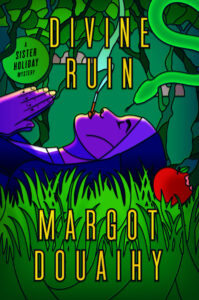
Margot Douaihy, Divine Ruin
(Gillian Flynn Books)
Everyone’s favorite nun-detective is back in Divine Ruin, tracking down fentanyl dealers preying on Sister Holiday’s New Orleans students. Douaihy’s hero is one of the most original creations in many years, and any mystery readers who haven’t already jumped on board with this series should plan to start now, with this stellar new installment. –DM
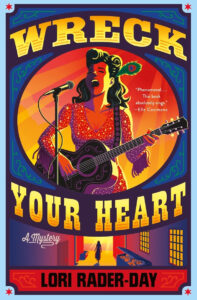
Lori Rader-Day, Wreck Your Heart
(Minotaur)
I am so psyched (or perhaps, rockabillied) for this country music mystery from queen of Chicago crime Lori Rader-Day, featuring a scrappy hustler trying to make it as a spangle-clad star in a cutthroat city full of harsh rivalries and plenty of baggage. It’s hard enough writing songs and flogging bars, and a missing persons case that hits too close to home only makes this hard-working musician’s life harder. As a long-time fan of Bloodshot Records and the Chicago alt-country scene, I can’t wait to dive into this one. Maybe I’ll have some Dolly playing in the background. –MO
___________________________________
FEBRUARY
___________________________________
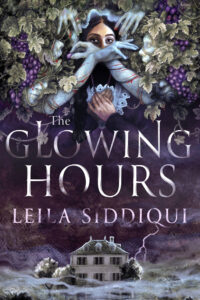
Leila Siddiqui, The Glowing Hours
(Hell’s Hundred)
There’s been quite a few takes on that rainy summer when Mary Shelley wrote Frankenstein in a Swiss villa, but The Glowing Hours catapults this historical moment into supernatural territory for my favorite version yet. Siddiqui’s narrator is a disgruntled Indian aristocrat, fallen on hard times and abandoned by her family, who finds employment as maid to the Shelley family just in time to accompany them on their writing jaunt to Switzerland, where Lord Byron awaits the party in a leaky chateau. Misery envelopes the travelers immediately, with bad weather, substandard accommodations, supernatural visitors, and the most horrifying of all: Lord Byron being a complete asshole. –MO
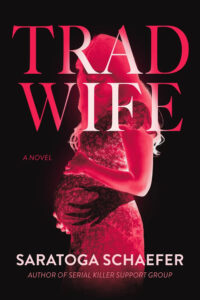
Saratoga Schaefer, Trad Wife
(Crooked Lane)
Trad wives aren’t just for instagram anymore–they’re also the subject of several upcoming horror novels, including Saratoga Schaefer’s body-horror take on Rosemary’s Baby (this time, Rosemary’s in charge, and the devilish figure that impregnates her is actually quite sweet). –MO
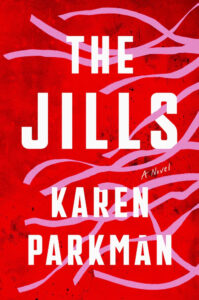
Karen Parkman, The Jills
(Ballantine)
The Buffalo Jills were the first pro-football cheerleading team to unionize, which perhaps is why the team so aggressively eliminated its star supporters from the sidelines (the team was dissolved soon after organizing). In The Jills, a cheerleader goes missing at the start of the novel, leading her ever-capable friend & teammate down a dark rabbithole that touches on every crisis of upstate New York. As we’ve learned from Dare Me, Tik Tok, and countless reality TV shows, there is nothing more noir than cheerleading. –MO
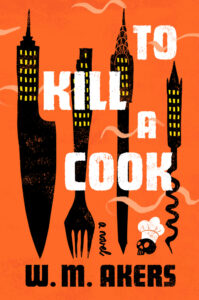
WM Akers, To Kill a Cook
(GP Putnam’s)
I have long thought that “food critic” is an amazing day job for an amateur detective; points already to W.M. Akers for discovering this, as well. The rest of the story is tons of a fun; it’s set in 1970s NYC, and introduces us to tough-as-nails, fast-talking restaurant critic Bernice Black, who finds herself in a whole new kind of culinary disaster when she discovers the severed head of her chef friend inside a jellied aspic. –OR
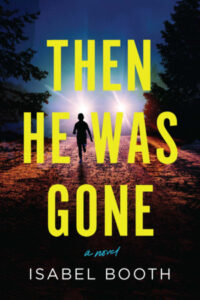
Isabel Booth, Then He Was Gone
(Crooked Lane Books)
A family finishes a hike only to discover one of their sons is missing, and he’s either lost in the park, or kidnapped by a mysterious pickup driver. The crisis reveals their dangerous family secrets, as a park ranger launches the missing persons hunt not knowing what they’re truly up against. Booth’s debut is a pulse-racing, hair-raising thriller to remember. –DM
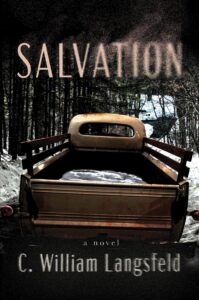
C. William Langsfeld, Salvation
(Counterpoint)
In a small Colorado town, a man’s murder at his best friend’s hand sets the stage for a slowly-unfolding tragedy and the investigation into where it all began. Langsfeld handles the difficult material with a delicate hand, telling a compelling story of survival and violence. –DM
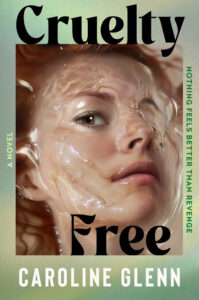
Caroline Glenn, Cruelty Free
(William Morrow)
When a former starlet returns to Los Angeles, it’s been ten years since she lost her child, ten years since she was dropped by her adoring fans, and ten years since her husband came out of the whole mess scott-free. A chance encounter with a charismatic younger woman leads to a risky, yet rewarding, new business plan: kill off anyone who’s ever mistreated them, boil their bones into collagen, and sell it to women desperate to firm up their faces before they find themselves replaced. What could go wrong? –MO
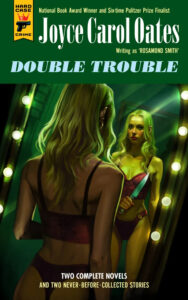
Joyce Carol Oates, Double Trouble
(Hard Case Crime)
This well-named volume is the gift that keeps on giving: it’s two novels and a few never-before-seen short stories, all in one handy binding. One story is about a female serial killer who comes back into the orbit of her twin sister, while the other is about a male serial killer who kills for the woman he loves. Joyce Carol Oates can write a masterpiece in any genre, and her forays into thrillers and pulp are some of her most exciting contributions. –OR
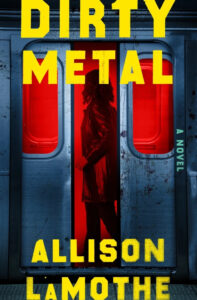
Allison LaMothe, Dirty Metal
(Flatiron)
In Allison LaMothe’s standout debut, Dirty Metal, a tabloid reporter is covering the arrival of a new generation of Russian gangsters settling into Brighton Beach after the fall of the Soviet Union, when suddenly a murder pops up on her radar, and she finds herself running a dangerous gauntlet. LaMothe is a startling and original talent and her new book may just be the year’s big breakout debut. –DM
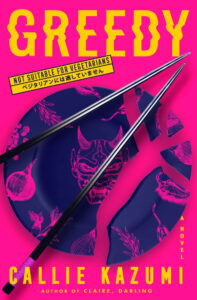
Callie Kazumi, Greedy
(Bantam)
Kazumi’s sophomore effort follows a desperate gambler who stumbles on a sweet new gig: private chef to an eccentric billionaire with unusual tastes. While he adores the new creativity he can bring to his work (and the breathing room he’s earned from the Yakuza’s collectors) he’s worried about his ability to turn a blind eye to his employer’s mysterious sourcing of meat… A mouth-watering parable of complicity & consumption under capitalism. –MO
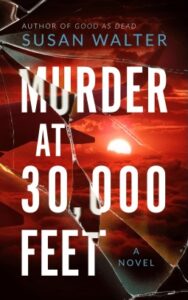
Susan Walter, Murder at 30,000 Feet
(Blackstone)
A locked room murder mystery set on a plane? That’s in the SKY? Sign me up, and please also put me on a no-fly list. –OR
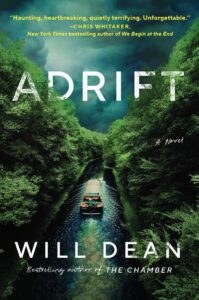
Will Dean, Adrift
(Atria/Emily Bestler Books)
A pair of married writers move their small family to a houseboat, and soon they’re on the move, growing physically and psychologically further from civilization as their situation comes under growing strain. Dean has written a masterful novel of suspense and splintering relationships. –DM
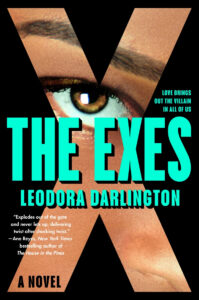
Leodora Darlington, The Exes
(Dutton)
The Exes has a clever set-up: a woman with a trail of dead fiances finds her current partner has been keeping secrets. What part did she play in the deaths of her ex-lovers, and how can she make sure history doesn’t repeat itself? The characterization is particularly apt, with seeming opposites yielding to slowly emerging parallels, revealing and structuring in equal measure. –MO
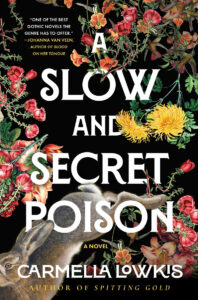
Carmella Lowkis, A Slow and Secret Poison
(Atria)
In this lesbian gardening novel with a supernatural twist, Carmella Lowkis cements her status as one of the best new historical writers around. Set in the early 1920s, A Slow and Secret Poison takes place at a remote country manor occupied by a family of cursed aristocrats. When a new gardener arrives, eager to prove her worth as the rare woman in her field, she forms an intense bond with the estate’s melancholy mistress. The two join forces in a desperate attempt to end the family’s deadly curse before it can claim its last victim, for a compelling romantic thriller that kept me guessing all the way to the last page. –MO
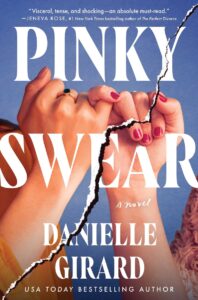
Danielle Girard, Pinky Swear
(Atria/Emily Bestler Books)
Danielle Girard’s premise is so genius it’s almost traumatizing; it’s about a woman who investigates the disappearance of her surrogate right before the birth of the baby. I’m super pregnant, so this is my worst nightmare, but man I respect it. –OR
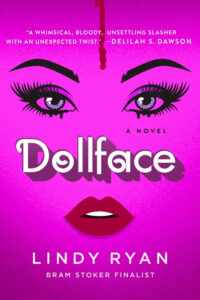
Lindy Ryan, Dollface
(Minotaur)
In Ryan’s fabulous new slasher, the satire cuts sharper than the murder weapon. Dollface features a horror writer who’s recently relocated to a picture-perfect suburb with a dark underbelly. When bodies start dropping at the hands of a menacing figure wearing a plastic doll mask, Ryan’s narrator finds herself torn between condemnation and inspiration; she’d love to see the crimes stop, but the neighborhood slasher is really helping her writer’s block. –MO
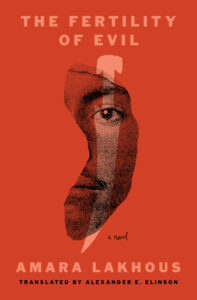
Amara Lakhous, The Fertility of Evil
Translated by Alexander E. Elinson
(Other Press)
Decades after the Algerian Revolution, someone starts picking off the former freedom fighters of a 60s-era revolutionary cell, and it’s up to one world-weary detective in the city of Oran (once made famous through the work of Camus) to piece the sad tale together. The Fertility of Evil already looks to be one of the best historical novels of the year, for a story that looks back on the past not to re-litigate, but to understand. –MO
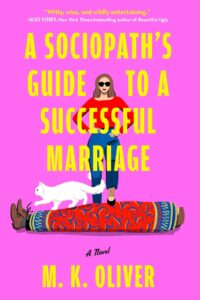
M.K. Oliver, A Sociopath’s Guide to a Successful Marriage
(Atria)
A mother with a busy family life adds ‘disposing of a dead body’ to her multi-tasking daily agenda in this mordantly funny new thriller. This is a high-concept thriller that delivers on the brilliant premise with a more than memorable ending. –DM
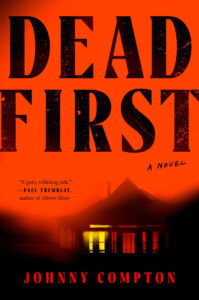
Johnny Compton, Dead First
(GP Putnam’s)
As a semi-proud resident of the Austin-San Antonio metroplex, I’ve been psyched to witness hometown horror hero Johnny Compton’s rise, especially as Compton is dedicated to crafting stories that incorporate ongoing central Texan concerns (and colorful characters). In Dead First, an immortal oligarch hires a PI to investigate his past and find out why he can’t seem to die. Imagine Groundhog Day, but Elon Musk is the one driving off that cliff with a prognosticating rodent. A nice image, isn’t it? –MO
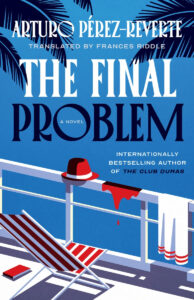
Arturo Pérez-Reverte, The Final Problem
(Mulholland)
Acting as a detective doesn’t make you into a detective, but what if you play a detective for, say, decades? And that detective is Sherlock Holmes? And then you are trapped on a Greek island during a 100-year storm and a dead body pops up and you might as well try to solve the crime, just to get everyone off your back so you can go back to playing chess with the pulp fiction writer who’s been helping with the investigation. That’s the premise of Arturo Perez-Reverte’s brilliant, sly, and entirely reverential metamystery, set in 1960 and featuring the ultimate test of acting: solving as crime as your character. The Final Problem is, in short, the ultimate loving ode to Golden Age detective fiction, made all the more remarkable for its place among the competition. –MO
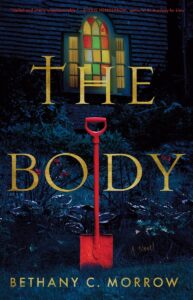
Bethany C. Morrow, The Body
(Tor Nightfire)
I’m in love with the new novel from Bethany C. Morrow, who won my gothic heart with her very weird Cherish, Farrah, an instant cult fave. In The Body, religious trauma manifests in increasingly disturbing ways for a woman in a troubled marriage. Morrow’s protagonist is desperate to escape her past, determined to hold onto her husband, and unready for the depth of obstacles she will encounter in either quest. –MO
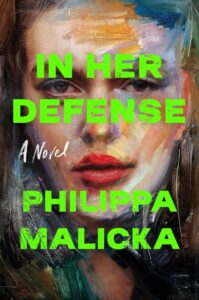
Philippa Malicka, In Her Defense
(Scribner)
In this excellent psychological thriller with legal elements, an epic battle over a young woman’s future looms between her famous mother and her cult-leader therapist, and all roads to resolution lead back to a series of encounters in Italy with vast ramifications for the current court case. Malicka has crafted a complex psychological puzzle with a thoroughly satisfying ending, and I can’t recommend this book enough. –MO
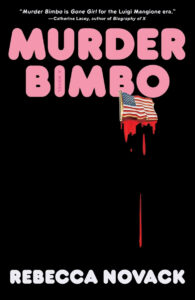
Rebecca Novack, Murder Bimbo
(Avid Reader Press)
While the title is reason enough to recommend this book, Novack’s novel is more than just a book called “murder bimbo”. It’s also a compelling tale and hilarious metamystery in which the titular bimbo may or may not commit murder, may or may not be a spy, and may or may not be a bimbo…and she’s going to tell us all about it for her podcast to set the record straight. Honestly, if you aren’t automatically intrigued by a book called “Murder Bimbo” then I can’t help you. It’s so good, y’all. –MO
___________________________________
MARCH
___________________________________
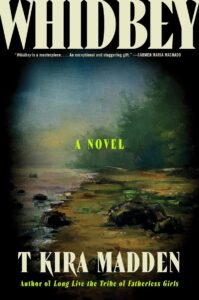
T. Kira Madden, Whidbey
(Mariner)
T. Kira Madden’s heroine is headed to a remote location to work on her novel and hide from the world when a chance encounter throws her fragile peace into disarray. On a boat, she meets a stranger, one who makes her an offer she can’t refuse: he will find the man who once hurt her as a child, and kill him. As the narrator of Whidbey reads, writes, and rages, another victim of the same pedophile publishes a memoir, one full of blatant exploitation of the narrator’s experience. When the man who harmed both women is found murdered, suspicion does not fall evenly, and the case threatens to send the central characters into a spiral with no return. –MO
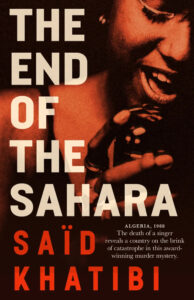
Saïd Khatibi, The End of the Sahara
Translated by Alexander E. Elinson
(Bitter Lemon Press)
The End of the Sahara is the second novel on this list to take place in Algeria during the tumultuous late 1980s. At the Khatibi’s moody masterpiece, a nightclub singer has been found murdered, perplexing a wide range of lovers, friends, enemies, and others drawn into her magnetic orbit, and in possession of her deadly secrets. Evocative, brooding, and perfectly hard-boiled! –MO
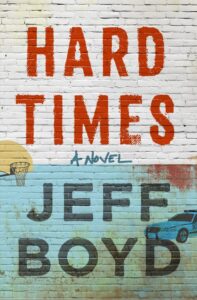
Jeff Boyd, Hard Times
(Flatiron)
A public school teacher on the south side of Chicago finds himself at the center of a maelstrom in Boyd’s powerful new book, a gripping social novel with a deep sense of humanity. –DM
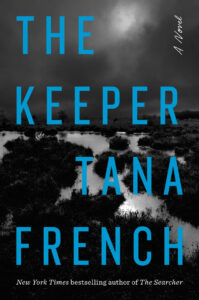
Tana French, The Keeper
(Viking)
Tana French is back!! And so is Retired Chicago detective-turned-Irish-transplant Cal Hooper, who is investigating the death of a young woman engaged to the son of a county bigwig. But in doing so, he finds himself unearthing feuds, old grudges, and more local politics than he could have ever imagined. As usual, French has conjured a pulsing, thoroughly atmospheric thriller with endless heart. –OR
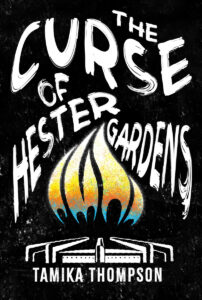
Tamika Thompson, The Curse of Hester Gardens
(Erewhon)
Every building, long enough occupied, becomes home to a host of unquiet spirits, but Thompson’s setting of a violence-ridden public housing estate has more hauntings than most. In The Curse of Hester Gardens, the ghosts of the past make their mark on the uncertainties of the present, creeping dread purveys every interaction, and one family faces unimaginable obstacles, and even harder to imagine defenders. Bleak, beautiful, and not to be missed. –MO
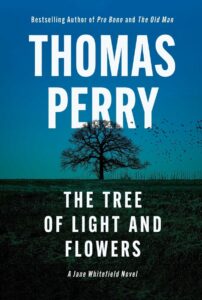
Thomas Perry, The Tree of Light and Flowers
(Mysterious Press)
In Perry’s latest Jane Whitefield novel, the woman who helps people disappear into new lives has to go on the run herself, a necessity made infinitely more complex by her status as a mother to a newborn. Perry, as ever, balances the gripping action with sensitive portraits of people in peril and a protagonist who keeps readers coming back for more. –DM
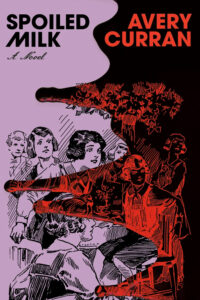
Avery Curran, Spoiled Milk
(Doubleday)
Boarding school mysteries will never stop sending me, and Spoiled Milk nails the genre with its Picnic at Hanging Rock vibes and cool girl sensibility. After a student’s shocking plunge from a high bannister, the upper class cohort bands together for a seance, only to awaken the repressed desires of a century of schoolgirls. Eerie, atmospheric, and lyrically driven, Spoiled Milk may be the most intriguing gothic of the year. –MO
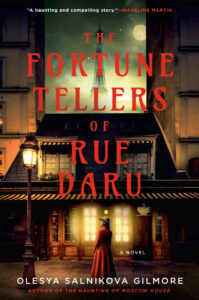
Olesya Salnikova Gilmore, The Fortune Tellers of Rue Daru
(Berkley)
A spunky fortune-teller? Jazz Age Paris? An exiled Romanov princess with an old family mystery? Hauntings by a persistent Russian duke? Yes to all. –OR
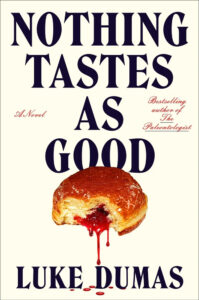
Luke Dumas, Nothing Tastes as Good
(Atria)
Finally, a horror novel for the Ozempic era! Luke Dumas has been quietly building a devoted following, but Nothing Tastes as Good should make for a big breakout novel given its satirical brilliance and timely themes. Dumas’ hero has struggled with fatphobia his entire life, and after spotting an ad for an experimental weight-loss treatment, he decides to jump into the chemical dieting industry feet-first. The effects are immediate, noticeable, life-changing, and horrifying—weight loss is guaranteed by the drug, but so, too, is an unholy thirst for human flesh. And big pharma is ready to cover up any and all adverse consequences in the quest for FDA approval. –MO
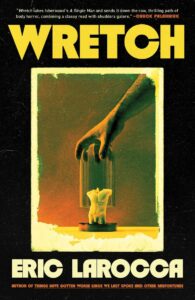
Eric LaRocca, Wretch: or, The Unbecoming of Porcelain Khaw
(Saga)
Eric LaRocca hooked me from the first sentence of Things Have Gotten Worse Since We Last Spoke, and his latest novel is my favorite yet. Wretch, or, The Unbecoming of Porcelain Khaw is a furious, menacing grief horror featuring a terrifying villain who can reunite you with some semblance of your dead loved ones, but only after extracting a terrible, ruinous price. This book really reminded me of the Canadian TV show The Booth at the End, in which supplicants plead their case to a man in a diner who may be the devil, and accept strange duties to perform in return, all with cascading consequences. I guess I would really love to rewatch that show. And also everyone should read this book. –MO

T. Kingfisher, Wolf Worm
(Tor)
T. Kingfisher’s upcoming historical horror novel is truly disgusting, and not for the faint of heart. Wolf Worm features a botanical illustrator hired to document the life cycles of flesh-eating insects in meticulously detailed drawings by a man hiding such sinister deeds as can’t possibly be imagined before reading the final pages of the book. If you can’t get enough of flesh-eating insects, there’s a lot of insect horror this year, including Gemma Amor’s ITCH! and the aptly titled Meat Bees by Dane Erbach. Perhaps that’s the next logical step after fungalpunk. Can I call it entomology core? I certainly plan to! –MO
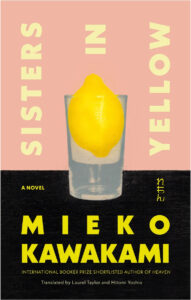
Mieko Kawakami, Sisters in Yellow
Translated by Laurel Taylor and Hitomi Yoshio
(Knopf)
Mieko Kawakami wowed the literary world with her critically acclaimed Breasts and Eggs, and now with Sisters in Yellow she proves the same skill and versatility within the crime genre. In what I already predict as one of the best crime novels of the decade, a group of young women fall under the charismatic influence of a flighty scammer and fall deeper and deeper into the trap of criminalized poverty. Epic, brutal, and stunning, Sisters in Yellow scratches the same itch as Lady Joker, Out, and the film Shoplifters. –MO
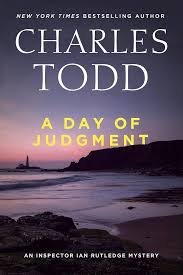
Charles Todd, A Day of Judgment
(Mysterious Press)
In the wake of WWI, Inspector Ian Rutledge is dispatched to the Northumbria coast where a body washed ashore near a pilgrimage site has ignited rumors of Church involvement and pitted rival communities against one another. This is a nuanced and ingenious historical mystery that readers will no doubt devour. –DM
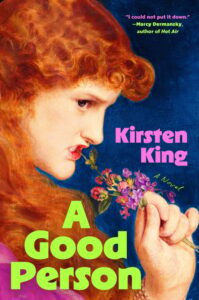
Kirsten King, A Good Person
(Putnam)
This book was incredible. Kirsten King’s love-to-hate narrator thinks she’s found the perfect man, at least until he dumps her unceremoniously then turns up dead the next day. Even worse, her boyfriend had a fiancee she’s just now learning about, a pearl-and-twinset brahmin who she fixates on as the ultimate foil, the respectable WASP who could never allow herself the mistreatment that King’s protagonist has endured. Who is a good person? What treatment do they get that allows them to remain that way? While the unlikeable female narrator has had its day as a trend, A Good Person reinvigorates the trope for a new era of complicated antiheroes ready to rage against the patriarchy. –MO
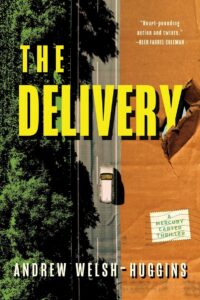
Andrew Welsh-Huggins, The Delivery
(Mysterious Press)
Andrew Welsh-Huggins courier hero returns! This time, he’s in charge of delivering some extra-sensitive items, predictably (and entertainingly) getting the unlucky former postman in trouble with a host of overlapping criminal conspiracies. Highly enjoyable, with a narrator you love you root for, Welsh-Huggins’ action-packed followup to The Mailman is hopefully just one of many sequels to come. –MO
___________________________________
APRIL
___________________________________
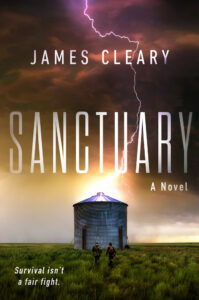
James Cleary, Sanctuary
(Berkley)
What happens in the bunker, stays in the bunker…Because everyone in the bunker is dead. Or at least, that’s where things seemed headed when I took a break from reading this one to blurb it! Cleary has crafted an epic speculative thriller set at the moment of collapse, and as propulsive as it is imaginative. Essential reading for the literary prepper. –MO
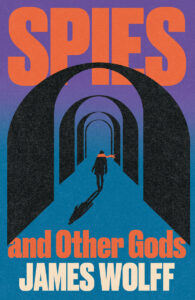
James Wolff, Spies and Other Gods
(Atlantic Crime)
A mysterious assassin working across borders and without clear patterns has British intelligence in chaos mode in this new international spy thriller from one of the boldest voices in the genre. –DM
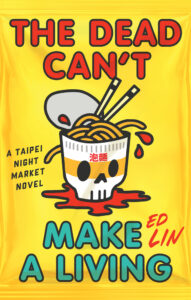
Ed Lin, The Dead Can’t Make a Living
(Soho)
After a few years of hiatus, Ed Lin’s Night Market series returns, and I’m psyched to reunite with my favorite Joy-Division-loving, record-collecting drummer as he runs a food stand in Taipei’s popular Night Market and solves crimes in his spare time. That is, the spare time he has while he’s not drumming or searching for Joy Division rarities. The man’s busy, okay? –MO
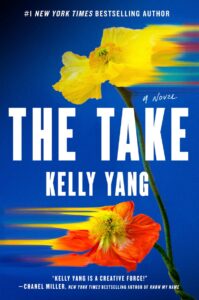
Kelly Yang, The Take
(Berkley)
Wellness horror meets capitalism noir in Kelly Yang’s vicious send-off of the lies we tell to those we exploit. In The Take, a young woman in need of quick cash applies to assist an aging Hollywood director with an experimental new blood treatment that shaves years off the receiver’s life—and ages the donor just as dramatically. So good! And so horrifying… –MO
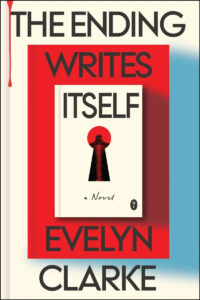
Evelyn Clarke, The Ending Writes Itself
(Harper)
I’ve been so excited about this wild, knowledgeable meta-mystery, part locked-room extravaganza, part mystery novel labyrinth, and part publishing satire. Check out the plot: six struggling authors are invited to the private island home of a reclusive mystery master, only to find out that he is dead and his last novel is unfinished… and there is an unfathomable prize for whichever of them ghostwrites the best ending and finishes the book. Only, you know, nothing is ever so simple. Listen to me and get this book. It’s fantastic. –OR
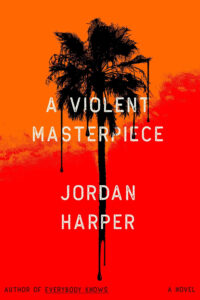
Jordan Harper, A Violent Masterpiece
(Mulholland)
Jordan Harper, the modern-day master of Los Angeles crime fiction, takes on his most ambitious story yet, a kaleidoscopic vision of the city’s underground. Crimes and voices braid together to form an unsettling new beast, as Harper channels his inner Ellroy and emerges with a wholly new and original style that captures something of the city’s corrupt soul. –DM
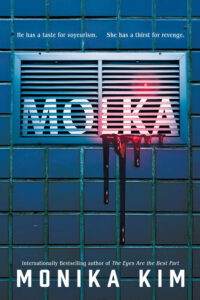
Monika Kim, Molka
(Erewhon)
Monika Kim’s sophomore horror novel was inspired by a rash of real-life scandals in South Korea involving molkas, or hidden cameras, used to spy on unsuspecting women and garnering perpetrators mere slaps on the wrist. In this rage-fueled tale of injustice and comeuppance, an office worker finds her own revenge after being preyed upon by a wealthy playboy and an incel security guard. I adored Kim’s elegantly grotesque debut, The Eyes are the Best Part, and Molka establishes her as one of the most compelling new voices in the genre. –MO
___________________________________
MAY AND BEYOND
___________________________________
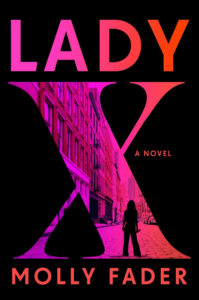
Molly Fader, Lady X
(Ballantine)
Lady X is split between the present day, where Fader’s heroine is grappling with the discovery of her Hollywood heart-throb husband’s bad behavior, and New York City in the 1970s, where the mysterious Lady X begins a series of escalating attacks against creeps, rapists, and other misogynist offenders. So good! And, depending on my future career as a graffiti-spraying vigilante painting dicks on a wall in the name of feminist justice, so inspirational… –MO
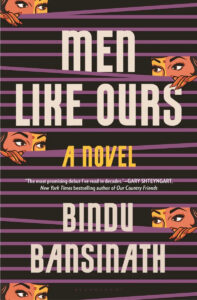
Bindu Bansinath, Men Like Ours
(Bloomsbury)
Men Like Ours is a wonderful debut, a witty narrative following an amateur murder investigation in a South Asian enclave in New Jersey. On Willow Road, a group of women band together to solve the murder of a friend, and wade into a world of generational feuds, friendly backstabbings, and, possibly, an even deeper sense of community. Possibly. –OR
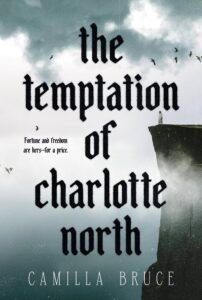
Camilla Bruce, The Temptation of Charlotte North
(Del Rey)
In this moody gothic historical, set on a remote and windswept island with a tragic past, a loosed spirit becomes a sinister ally to a repressed teenage girl as she yearns for her melancholy preacher. Camilla Bruce is one of the most consistent and insightful authors of psychological thrillers writing today, and The Temptation of Charlotte North easily lives up to that reputation. What draws me most to Bruce’s work is the skillful blending of setting and character, how the two feed off each other to reveal a stranger, darker picture, on full display in this latest. –MO
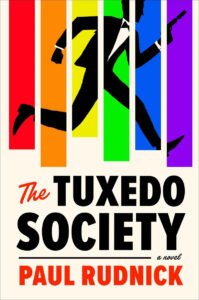
Paul Rudnick, The Tuxedo Society
(Atria)
I suspect that Paul Rudnick’s hysterical spy thriller about a very gay secret espionage society is the book I will be giving as gifts the most, this year. –OR
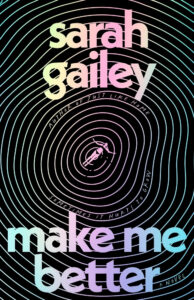
Sarah Gailey, Make Me Better
(Tor)
Another excellent entry into the growing genre of wellness horror! This one’s from horror writer extraordinaire Sarah Gailey, whose career I have been eagerly following ever since I read their sophomore novel, The Echo Wife. Make Me Better lives up to Gailey’s stellar reputation from the get-go, with a sternly worded dedication warning of the futility of side-stepping grief. And yet that is exactly the intent of Gailey’s terribly avoidant characters, who’ve marooned themselves on an island promising the unpromiseable, with predictably dire results. Make Me Better would form a perfect double feature with Eric Larocca’s Wretch, out in March of this year. –MO
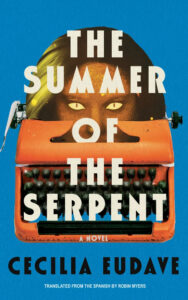
Cecilia Eudave, The Summer of the Serpent
Translated by Robin Myers
(Soho)
Lives and visions collide in one long hot summer in Guadalajara, Mexico, in the late 1970s, in Eudave’s new fever dream of a novel. The Summer of the Serpent makes for a hypnotic and transporting read and a powerful, impressionistic portrait of a place and time. –DM
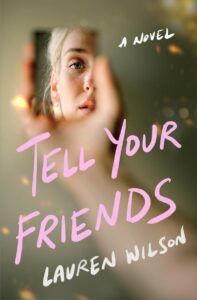
Lauren Wilson, Tell Your Friends
(Flatiron: Pine and Cedar)
Lauren Wilson’s latest is a perfectly plotted cat-and-mouse thriller set against a backdrop of growing concern over child influencers and exploitative parents, a context well-represented in the psychological thriller realm. Tell Your Friends features two vastly different perspectives: Budding journalist Crystal, set on exposing her influencer parents’ darkest secrets, and parasocial superfan Alyssa, determined to protect her favorite online family’s wholesome reputation. –MO
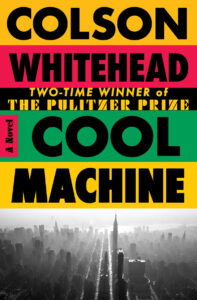
Colson Whitehead, Cool Machine
(Doubleday)
Whitehead’s Harlem Trilogy has easily been one of the high water marks for contemporary crime fiction, and the series comes to a fitting conclusion this year with Cool Machine, a wild march into 1980s New York, as Ray Carney dives into the proverbial ‘one last job’, Pepper takes an odyssey through the downtown club scene, and a sliver of redemption is sought through family ties. Whitehead is one of the most talented novelists of the era, and we’re lucky he’s taken on such a deeply felt, wildly entertaining project. –DM
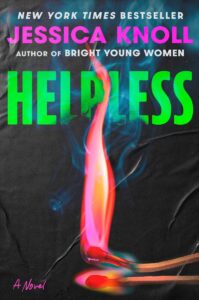
Jessica Knoll, Helpless
(Scribner)
A Jessica Knoll novel is always cause for celebration, and this, her fourth, preserves her reputation for intense characterizations and emotional depth, while also a rollicking good crime story. When Knoll’s heroine goes to bury her old mentor, she runs into an ex-boyfriend who made her feel things she’s never found since, and never knew how to ask for. Her ex, too, has some unresolved issues with their breakup—enough to drug, kidnap, and take her to a remote cabin, where he plans to talk things through with her once and for all. Nothing in this twisted tale is what I expected, and with a novel from Knoll, I’d expect nothing less. –MO
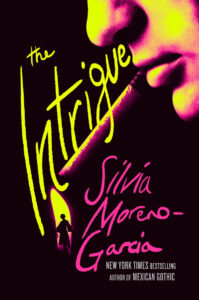
Silvia Moreno-Garcia, The Intrigue
(Del Rey)
A con artist who preys on wealthy older women in 1940s Mexico teams up with a disenfranchised bastard to bilk her aunt of all they can, and just maybe, find happiness with each other. The Intrigue looks to be Silvia Moreno-Garcia in peak form, for another entry in a storied career. –MO