In December 2016, I came out of the White House Christmas party onto a strangely deserted Fifteenth Street. The night was bracing cold. The city seemed to be holding its breath. In another month, the Obamas were leaving and a new administration was coming in. You could feel change in the air, but nobody knew what the future would be.
The years that followed have felt like the fever dream worthy of a psychological thriller: the rise of foreign influence in elections and public discourse, homegrown disinformation attacks, the vilification of truth and facts and science and the misassignment of blame, sometimes from the legacy media which should know better. We live in a terrible era of misinformation.
During the pandemic, I noticed internet lies seeping into our everyday lives, poisoning conversations among loved ones, causing huge rifts. I worried we no longer care about truth. The alternative horrified me. If we turned away from truth, what would this mean for our closest, most cherished relationships? How would we love amidst all the distrust? At what point did lying become madness, delusion?
Obsessed with those questions, I began writing Watch Us Fall, a psychological suspense novel about the lies that bind four friends. The novel pits a character who refuses to accept lies against another who can’t face the truth, a microcosm of what seemed to be happening around me. But where to set the story? The novel required a place that was beautiful but dangerous, where appearances upended reality, a place of shifting, conflicting stories.
No city embodies this so well as DC.
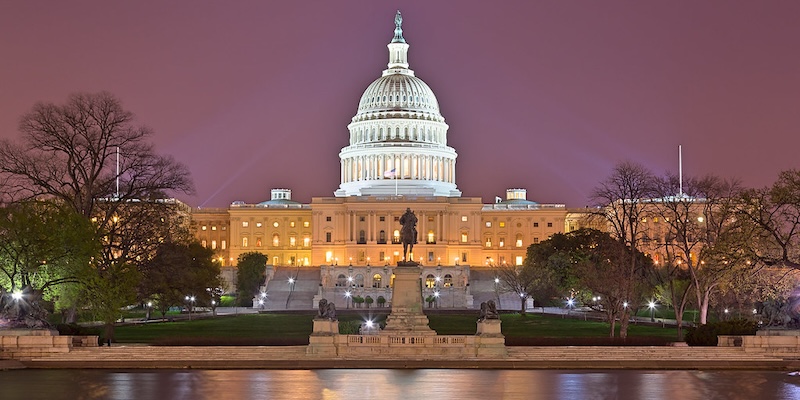
Close your eyes and imagine the city. You probably see what the TV cameras have always shown: bright white buildings along the river, memorials built like temples to justice and equality and freedom, sketched with our ideals, the “truths we hold self-evident.”
Except do we?
Like the mind games that make up psychological thrillers, people from all corners of the country come to federal downtown to argue against these truths, usually with twisted facts, always for their own gain. Sure, liberty is great for me, they say, but what freedoms, and justice, can that other group of Americans expect to have?
They want you to question whether those words on those buildings don’t mean what you think you mean. There’s a joke from back in my DC newsroom days: Don’t believe your lying eyes.
DC is more than those bright white buildings anyway, more than the administration and the Supreme Court and the US Congress. It’s a city of hundreds of thousands of people, living in neighborhoods, each with their own vibe: Foggy Bottom and Mount Pleasant and Anacostia, Brookland and NoMa and Dupont Circle, and so on. It’s a patchwork of parks that are bigger and wilder than most people imagine, rivers that are brackish with countless ways to pull you under.
Like most cities, DC is a place of dangerous extremes: top schools and others that appear war-torn, famed restaurants and food deserts, great hospitals and neighborhoods lacking access to any healthcare at all. It’s a place of astonishing wealth and terrible poverty, sometimes only a block apart, and in these extremes, crime happens, sometimes famously. A jogging path in Rock Creek Park, a Woodley Park mansion, a coffee shop in upper Georgetown, a shooting at police headquarters—any of these could be thriller settings.
Writer beware, though. Because most people have an image of DC, many locations carry a specific, tangible emotion. Think of how lightly, elegantly, RF Kuang treaded in her climactic scene in Yellowface on Georgetown’s creepy Exorcist steps. The mere mention of place creates a clear image of those steps, a kind of gothic horror that has the reader shivering.
Then there’s Neely Tucker’s The Ways of the Dead, a murder mystery elevated to questions of justice by the Supreme Court’s shadow looming over the action. How ironic that the court’s statue, Lady Justice, should be a woman’s form in a story about women murdered.
The greatest DC true crime story ever written, All the President’s Men, made me pause when writing Watch Us Fall. I knew the novel’s missing man lived in the Watergate. Josh Egan was wealthy. He came from a famous political family. The location was critical for the plot events.
But the Watergate? The scene of twentieth century’s biggest political crime? Talk about emotional heft, all pointing the wrong way. I decided to use the building but not name it. Sometimes it’s better to let DC’s ghosts lie.
What makes DC the most perfect setting, though, is how the unreliable narrator of a psychological thriller is like most contemporary political narratives, relying on misdirection and misassigning blame. What city has been more maligned than DC?
Every political candidate trying to land a seat in the federal government talks about the ways they’ll “fix DC,” and all the “problems with DC,” when the actual faults they’re describing is with the government they’re trying to join or remain in, the president and his administration or the congress or the courts, which for whatever their reasons, they rarely attack head-on.
Know that this is official Washington doublespeak, demonstrably false and full of red herrings, meant to confuse and anger and above all keep you from thinking clearly—the narrative technique of the thriller villain.
What makes DC the most perfect setting, though, is how the unreliable narrator of a psychological thriller is like most contemporary political narratives, relying on misdirection and misassigning blame.As I write all this, an email pops up on my phone. It’s from the Maryland health department, urging all residents to disregard the federal government’s new “unsubstantiated claims” regarding links between vaccines and autism. This is the state that borders DC outing the federal government’s Center for Disease Control as an unreliable narrator, a spreader of health misinformation; the CDC is lying.
As I say all this about DC being the perfect playground for a thriller’s mind games, I’m speaking from an objective viewpoint, or so I believe. But after boasting about my clear-sightedness and reverence for truth and terror of lies and delusion, I’ll also admit I haven’t worked in DC news since the Obama administration and lived away from the city longer.
Does my admiration for the city create blind spots in my writing? Does my love and worry for my DC neighbors create bias infecting the narrative? Am I too far to see truth, to close to know it? How reliable is memory anyway?
That’s the work of the psychological thriller. You, dear reader, get to sort through facts and contentions to decide.
***