5 mysteries that explore the darker sides of Dublin
Fiona McPhillips recommends novels and nonfiction from Mark O'Connell, Tana French, and others
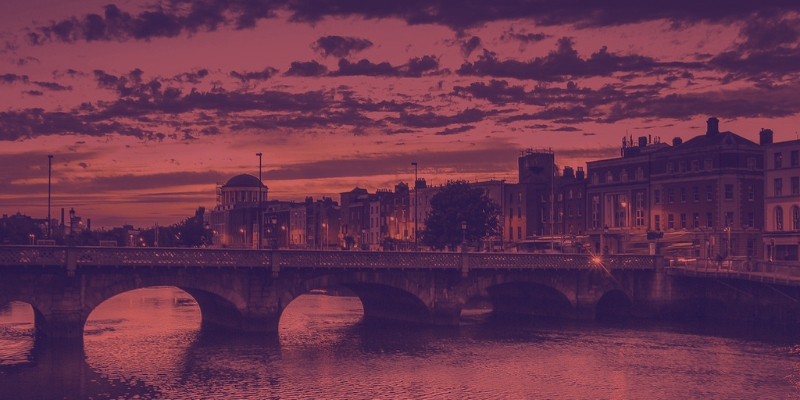
Dublin is a city of many words. Of Nobel prizewinners and pub storytellers, never short of a thing or two to say. From the calligraphy of the Book of Kells to the modernism of James Joyce to the intricate interior worlds of Sally Rooney, Dublin’s literary heritage is long established.
But there’s a darker side to this city, a corrupt underbelly of money and power, a rich history of villains and anti-heroes. Here are some of my favorites.
*

Tana French, Broken Harbor
From the queen of Dublin noir, this is a tense, atmospheric investigation into the murder of a family on one of Dublin’s ghost estates in the aftermath of the 2008 financial crash. Brianstown is built on the ruins of a faded seaside resort and it embodies all of the isolation and desperation so prevalent at the time.
It’s bleak and brutal and a searing indictment of a government that put the survival of its banks ahead of the welfare of its people. It’s also a grueling mystery that plays out to the very end.

Mark O’Connell, A Thread of Violence
This compelling exploration of the 1982 murders committed by Dublin socialite Malcolm Macarthur is both true crime and a fascinating dive into the mind of a convicted killer. After Macarthur was arrested at the then Attorney General’s home, an event that almost brought down the government, he spent forty years in prison.
On his release, O’Connell approached him in the street to talk about his life. The result is an insightful and unsettling study of a “highborn savage” so convinced of his own superiority that he will go to any lengths to blur the lines between truth and invention. As a bonus, The Book of Evidence by John Banville, shortlisted for the 1989 Booker Prize, is inspired by Macarthur’s story.

Kevin Power, Bad Day in Blackrock
A whydunit it more than a whodunit, this is a masterful exploration of the motivation and morals of a group of private-school teenagers. When Conor Harris is kicked to death by three of his peers, the Dublin establishment is forced to look beyond its veneer of respectability for answers. A connected yet distant narrator deconstructs institutional entitlement, broken family dynamics and the moral decay that can hide behind money, old and new.
Inspired by real events, Bad Day in Blackrock is a scathing yet sometimes tender glimpse of a section of Dublin society still getting used to its newfound Celtic Tiger wealth.

Andrew Hughes, The Convictions of John Delahunt
This chilling historical thriller is based on the true story of a notorious Victorian murderer. When a lackluster Trinity student becomes a police informant, it’s not long before he’s looking for scapegoats for his own crimes. Delahunt starts to fabricate conspiracies and frame innocent people to claim government bounties until his greed and escalating moral decay culminates in a shocking, cold-blooded murder that scandalizes the entire nation.
Set among the taverns, tenements and alleyways of 1840s Dublin, and courtrooms that dole out their own twisted justice, this is an engrossing and vivid portrait of a city as sinister and corrupt as its amoral protagonist.

Fiona McPhillips, When We Were Silent
And if I may be so bold… In 1980s Dublin, outsider Lou Manson enrolls at the prestigious Highfield Manor to try and expose the school’s dark secret. But she soon discovers that the Highfield elite will go to any lengths to protect their own reputation—even when the consequences are fatal.
When We Were Silent is a propulsive and fiercely feminist exploration of power, corruption and retribution.
***


Fiona McPhillips
Fiona McPhillips is an Irish journalist, author, and screenwriter. In 2019, she started an MA in Creative Writing at Dublin City University, graduating with first class honours. Fiona's debut novel, When We Were Silent, was runner-up for the 2021 Crime Writers Association Debut Dagger. Fiona lives in Dublin with her three kids, two cats, and a dog.