
5 Cli-Fi Novels and Eco-Thrillers Where Nature Has Main Character Energy
Nicole Brooks recommends Mother-Nature-centric titles by Lisa Brideau, Cormac McCarthy, and others
I’ve always had a thing for nature. Maybe it’s because I’m a true Gen X’er and as a kid I lived outside, unattended. Maybe it’s because the beauty of the Alberta prairies has been the backdrop of my entire life. Maybe it’s simply my human bodies innate need to connect to something bigger.
So many hours of my childhood were spent outside—mostly getting up to no good, sure, but outside it was. I have walked the river valleys of the cities I’ve lived in throughout my twenties for hours on end. I’ve breathed in the magnificence of the Rocky Mountains while camping. I earned a Bachelor of Environmental Science and ended up working in remote Northen Alberta locations.
I’ve pulled over on the side of the road in the winter to take a picture of a snowy owl perched on top of a telephone pole. I’ve jumped in the ocean countless times without thinking twice hoping to see something cool. I’ve found myself in a park with a moose (on purpose), barely escaping ahead of it as it left through a narrow-fenced walkway, me running and laughing in my flip flops, my teenaged daughter freaking out from the car.
And maybe best of all is that I recently fulfilled a lifelong dream of seeing orcas; when an entire pod silently glided right up to the boat, I thought I’d died and gone to heaven. For as long as I remember, I’ve been pulled toward experiencing nature, even if it was kind of a dumb idea!
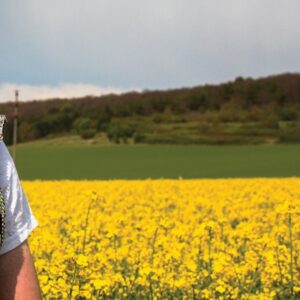
And the camera roll on my phone! Stunning Alberta sunrises, fat little bumblebees, delicate green spiders on huge white peonies, pelicans gliding over a lake, a herd of mountain sheep, hoar frost on leafless winter trees, the black bottomed mushrooming thunderheads building over a yellow canola field—it’s just one nature shot after another punctuated with the occasional photo of my kids or a grocery list.
When I first started writing, my obsession with nature came through in little ways, but it was always a side character. When the idea for my debut thriller, No Higher Ground came to me, I realized that I wanted nothing more than to lean fully into the environment on this one; I wanted Mother Nature to steal the show. I wanted the natural world to tear into humans lived existence. I wanted the weather to cause chaos. I wanted a storm to push someone to the brink.
Here are five of my favorite books which tell deeply human stories in a world where Mother Nature is more than a supporting character.
*
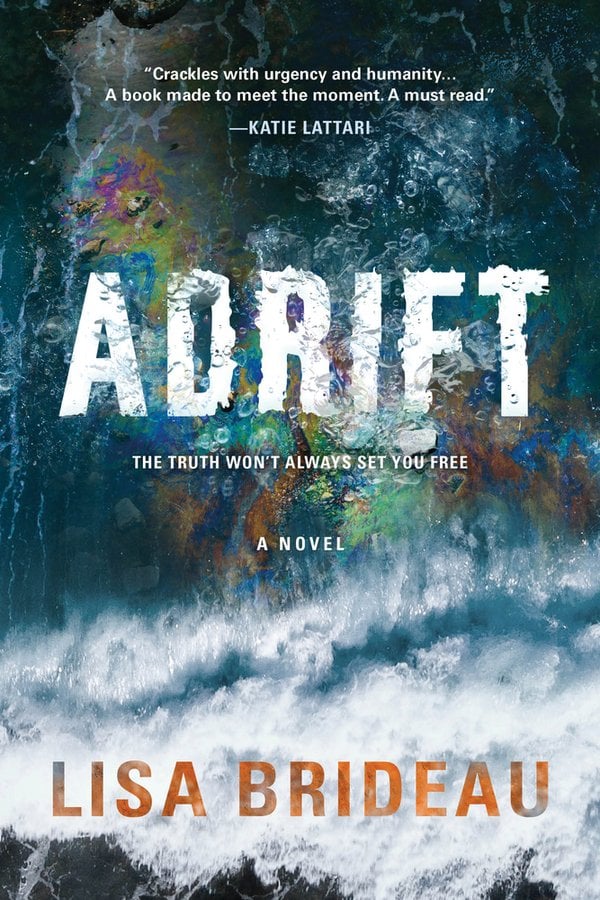
Lisa Brideau, Adrift
Ess wakes up alone on a sailboat in the remote Pacific Northwest with no memory of who she is or how she got there. She finds a note that reads Start over. Don’t make yourself known. Don’t look back.
But Ess must have answers and, traveling hundreds of miles, she charts her way toward trouble instead of away from it in a desperate attempt to remember, all the while being at the ocean’s mercy.
In this world, the earth is precariously balanced at a climate tipping point and she must decide what life she ultimately wants: the one taken from her—and the dangerous secret that was buried—or the new one she can make for herself. Bonus points for being set in Canada. I loved this intelligent, stormy, character-driven thriller.
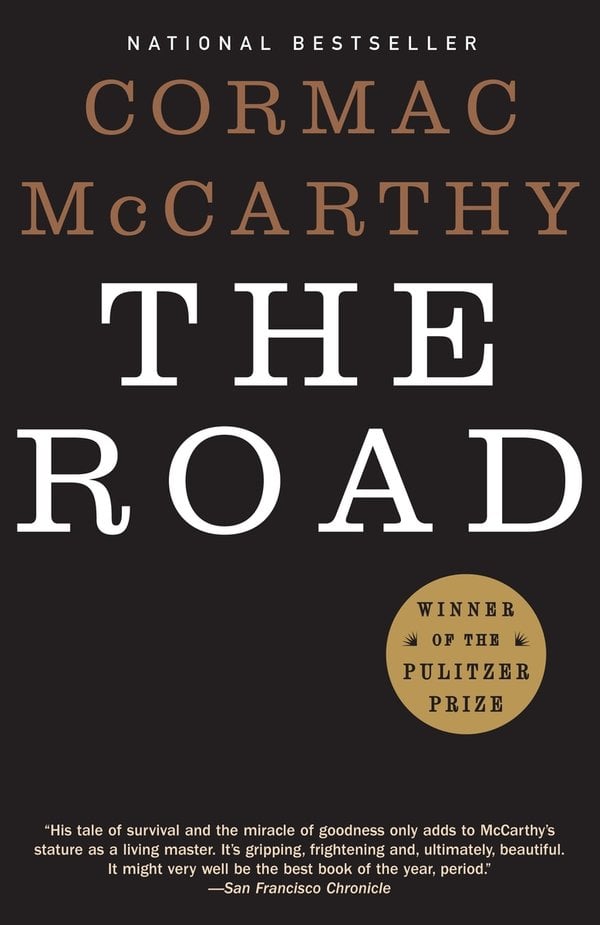
Cormac McCarthy, The Road
An unnamed father and son walk through a decimated, charred postapocalyptic America. They move toward the ocean in the hopes that something better awaits them there, but along the way, it is as treacherous as you can imagine.
The word gray is used about fifty times in this book and that should give you a full picture of the world they precariously inhabit. This profoundly moving story of two people who have little more than each other to keep them going has been seared into my mind. An epic, desolate, ultimately beautiful human journey.
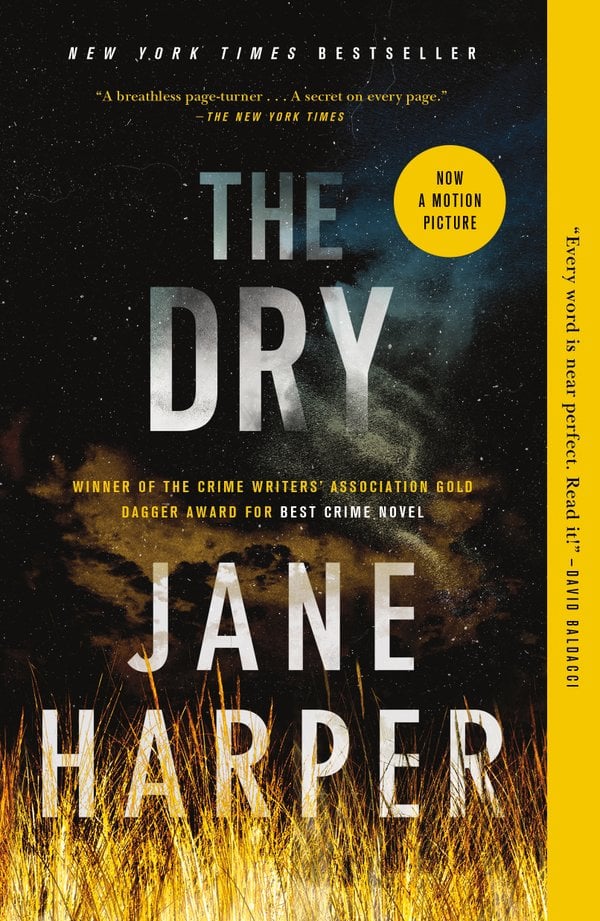
Jane Harper, The Dry
Aaron Faulk escaped his small town roots and became a successful police investigator in the city, returns for the funerals of his old friend and the family he apparently murdered.
This tried-and-true plot line gets elevated by the thoroughly intoxicating atmosphere of this small town in the grip of a drought. Aaron gets pulled into the investigation and his own past gets brought up in the burning heat and the suffocating lack of moisture. This is truly a story that is elevated by Mother Nature. Gripping and twisty, Harper had me racing through the pages, desperate for the conclusion. And a glass of water.
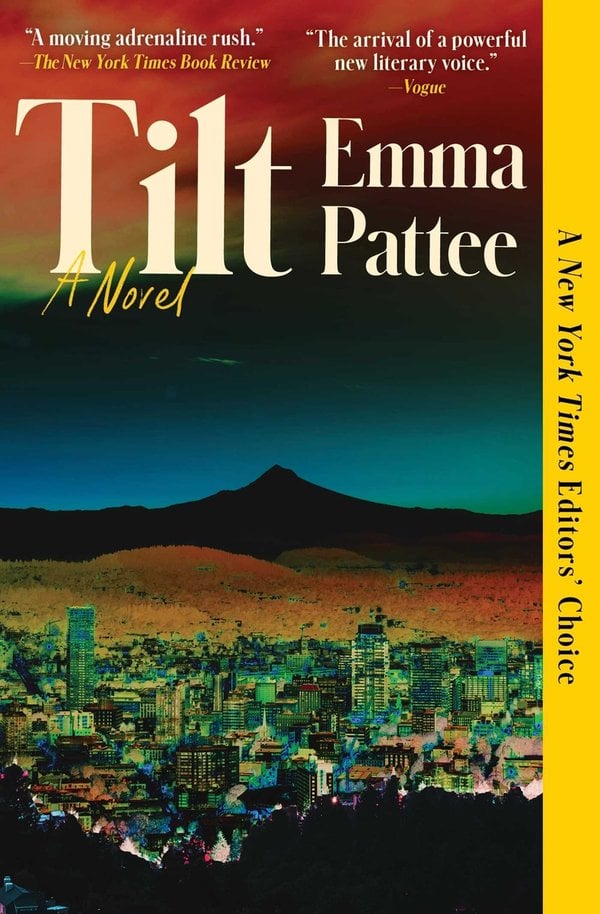
Emma Pattee, Tilt
What better time to review all of your life choices to date than after an epic earthquake rips through your hometown making your journey back home perilous?
After Portland experiences The Big One, Annie, nine months pregnant, has no choice but to walk through a broken city to get to her husband. She encounters both human desperation and goodness and we spend a lot of time inside her head—a voice I enjoyed immensely.
With a memorable protagonist navigating the wreckage and debris of a natural disaster, I made quick work of this book. It ends abruptly, but I love ambiguous endings; I’ll forever wonder what Annie ultimately decided to do.
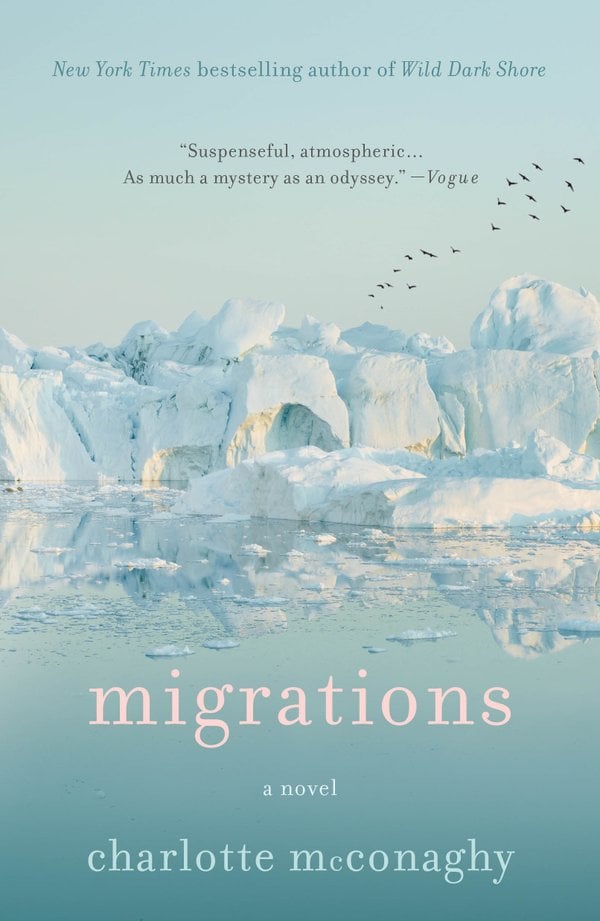
Charlotte McConaghy, Migrations
Franny Stone has always been the kind of woman who is able to love but unable to stay. Climate change has left the world mostly without animals and Franny arrives in Greenland with a singular purpose; to follow the migration of a flock of the last Arctic terns.
To fulfill her mission, she talks her way onto a fishing boat with a weird and funny crew. As they chase the terns, we get to know Franny and her longing to know herself. The chill I felt while reading this book stayed with me for a long time. I did not simply read it, I felt it, I devoured it. Moving, raw, and atmospheric, this was the book that started my obsession with McConaghy’s works.
***
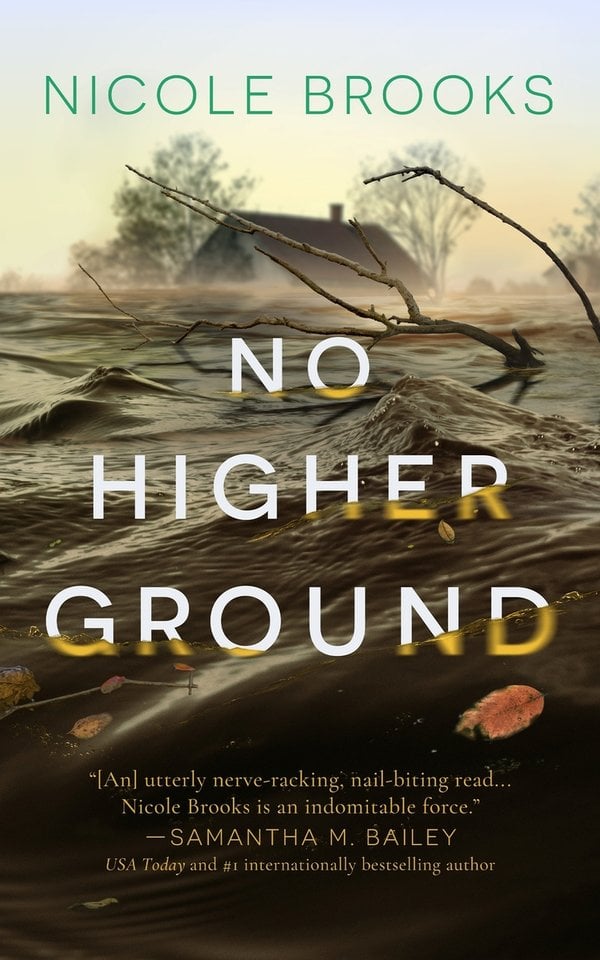

Nicole Brooks
Nicole Brooks has a bachelor of environmental science and a lifelong love of reading, which has enabled her to blend two of her passions - nature and writing - into stories that put people into the thick of environmental disasters. She lives just outside Calgary with her husband and two daughters and can be found curled up with a book during long, cold Canadian winters, searching the skies for bald eagles, or hurting herself while playing pickleball. No Higher Ground is her thriller debut.