
5 Great Classic and Contemporary Short Stories That Explore Time Travel
Ellery Lloyd recommends temporal tales by Ray Bradbury, Vandana Singh, and more
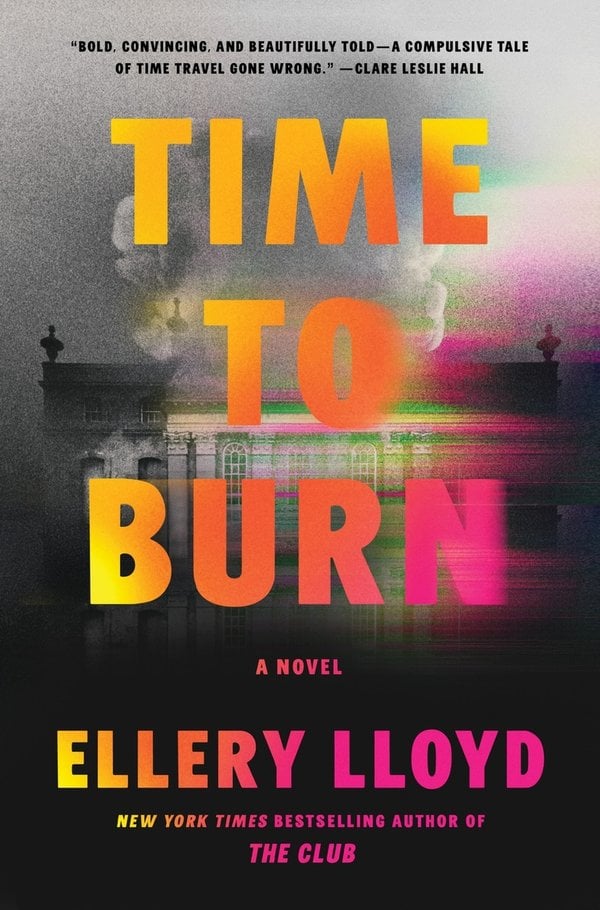
In our new novel, Time to Burn, commercial time travel has become a practical reality—albeit one available only to the very wealthy. Then a trip to 1940s London goes badly wrong, and a desperate hunt begins for someone who has been left behind in the past, even as the consequences of their actions in the present grow increasingly alarming.
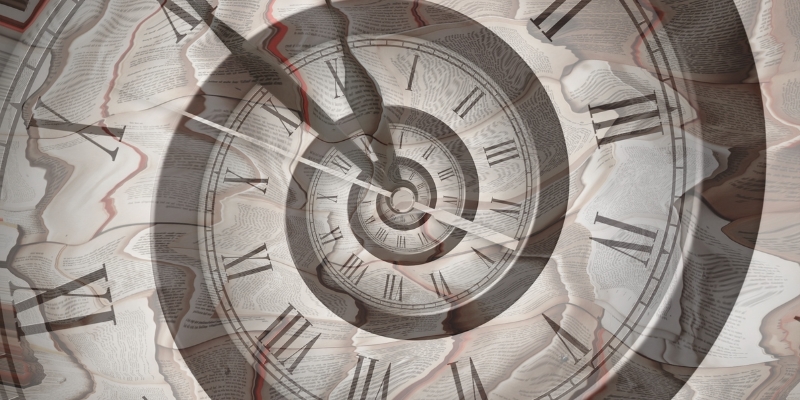
From The Time Machine to The Time Traveler’s Wife, the concept of time travel has inspired novels that blow the mind and break the heart. It has also produced some truly wild and wonderful short stories.
As we read our way through the genre while writing Time to Burn, it became apparent just how often these stories are in conversation with one another—borrowing ideas, twisting them into new shapes and reframing them to create compelling what ifs. After all, who hasn’t daydreamed about visiting the past or witnessing some great historical moment? These stories allow their readers to come as close as they possibly can to really visiting the past—whether that is late Victorian London, the steaming late Mesozoic jungle or Medieval India.
Time-travel tales also allow us to reflect on our own lives too: the choices we’ve made, the paths we have taken and the people we might have become. If we could change something we had done, what effect would that have on us and on those around us? These are the questions the protagonists, and readers, of these extraordinary stories are forced to confront.
Here are five of the best short stories we encountered on our (time) travels.
*
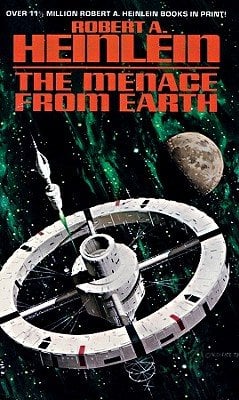
Robert E. Heinlein (as Anson Macdonald), “By His Bootstraps”
Perhaps the first short story to explore the head-spinning narrative possibilities of a time loop, this long short story or short novella follows grad student Bob through a hole in time as he undergoes a series of strange encounters with strangers who all turn out to be (plot twist!) older versions of himself.
First published in 1941, this remains one of the greatest fictional attempts to explore what logical tangles the ability to travel through time and meet yourself might end you up in. This is a theme that Heinlein would later take even further in the even more complex and unsettling All You Zombies (1958, in which via a very strange series of events the time-hopping central character turns out to be both of their own parents.
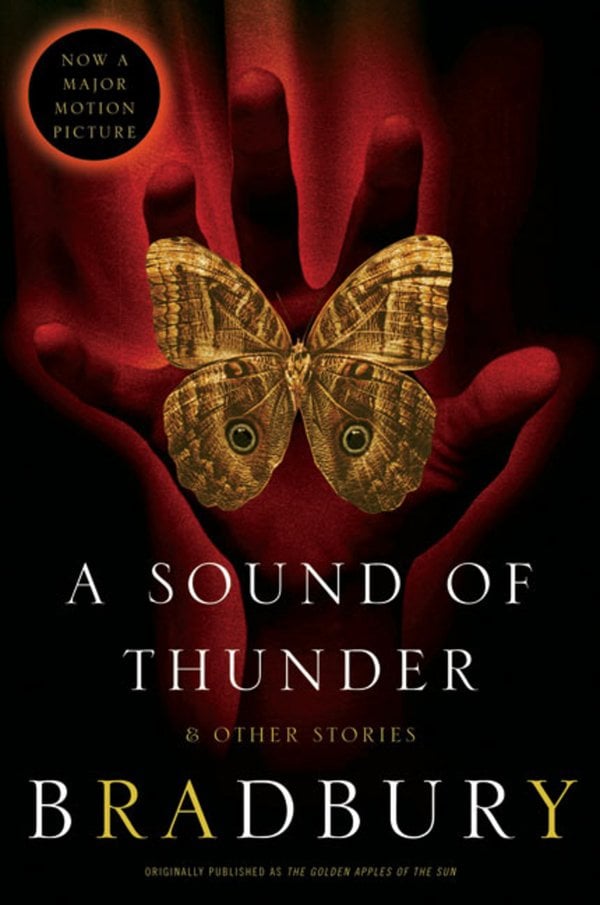
Ray Bradbury, “A Sound of Thunder”
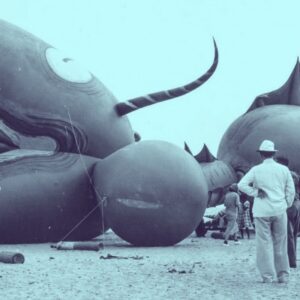
Another classic, Bradbury’s 1952 short story is the first to dramatize the enormous impact on the world a very small change in the past might make. When a blundering member of a time-traveling dinosaur-hunting safari accidentally manages to squash on a butterfly with his boot in the Cretaceous era, he and his party return to find themselves in a very different and much more sinister present.
Not only does “A Sound of Thunder” offer one of the most memorable endings to any science fiction story, it also offers the most vivid imagining of what it might feel like to breath humid prehistoric air and come face to face with a real-life therapod.

Vandana Singh, “Delhi”
At first, as he wanders Delhi and experiences strange visions and encounters strange individuals, the central character of Singh’s dazzling 2004 short story assumes he is seeing ghosts. Soon, however, he learns that in his nocturnal wanderings he is witnessing ‘tricks of time, tangles produced when one part of the time-stream rubs up against another’s.
Atmospheric and evocative, “Delhi” also prompts reflections on the ways in which to walk with an open imagination around a city with a long historical past can itself become a form of time travel, confronting us with vivid and concrete examples of continuity, change and the ways in which the past has shaped the present. It is a story which will haunt the reader.
It also one which is extraordinarily attentive to the ways in which the different sense impressions—smell and touch and taste and texture—can be used to convey the sense that this is what it would really feel like to step (if only briefly) into the past.
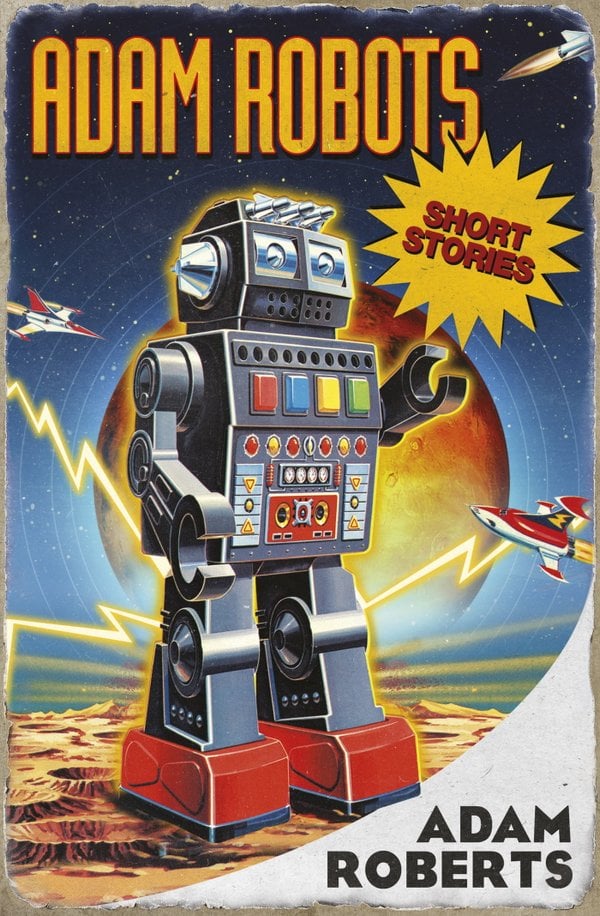
Adam Roberts, “The Time Telephone”
Time travel tales not only explore paradoxes and pose logical problems. They can also tug directly on your heart-strings. H.G. Wells’s Time Traveller uses his machine to visit the far future. The historians in Connie Willis’s novels and short stories use their time machines to study the Middle Ages and the Second World War.
Adam Roberts’ 2002 short story—in which a woman pays an extortionate fee to make a phone call across time to her daughter—reflects on the more personal and poignant uses to which a time machine could be put.
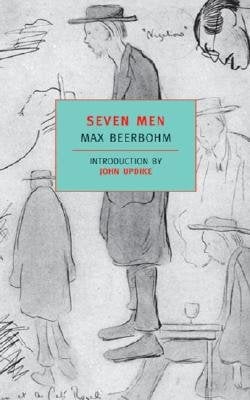
Max Beerbohm, “Enoch Soames”
First published in 1916, “Enoch Soames” remains the funniest of all time travel stories. In it the eponymous Soames, a minor writer of the 1890s, makes a ‘strange bargain’ with the devil, giving up his soul to visit the Reading Room of the British Museum a century in the future (on the afternoon of June 3rd 1997, to be precise), in order to witness first-hand what posterity will make of his literary achievements–and is horrified by what he learns. There is perhaps a warning there for all writers!
The story is also, on a more serious level, a reflection on how our sense of the past is shaped as much by what is forgotten or misremembered as what is remembered—and how actually being able to journey through time might complicate that process.
***

Ellery Lloyd
Ellery Lloyd is the pseudonym for the London-based husband-and-wife writing team of Collette Lyons and Paul Vlitos. Collette is a journalist and editor, the former content director of Elle (UK) and editorial director at Soho House. Paul is the author of two previous novels, Welcome to the Working Week and Every Day Is Like Sunday. He is a Professor of Creative Writing at the University of Greenwich. They are the authors of People Like Her, The Club, The Final Act of Juliette Willoughby, and TIME TO BURN (Harper, August 4, 2026). For more on their writing, visit: www. ellerylloyd.com and @ElleryLloyd_Author on Instagram.