
5 Modern, Literary Ghost Stories That Inspired Chris Vanjonack's Short Story Collection
The author of Out of Body relishes short stories and novellas with metaphorical richness
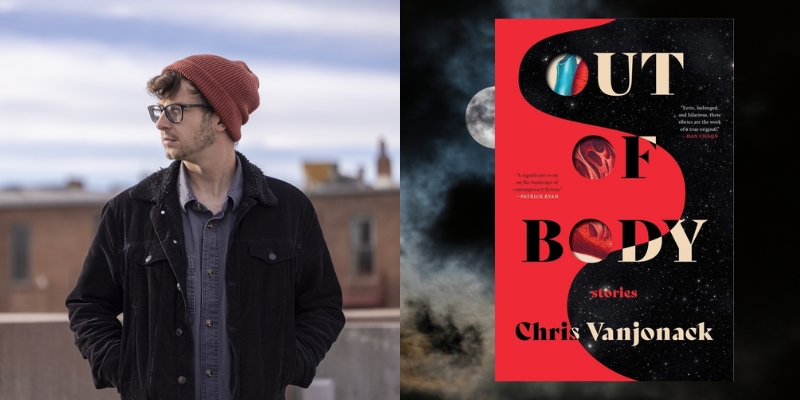
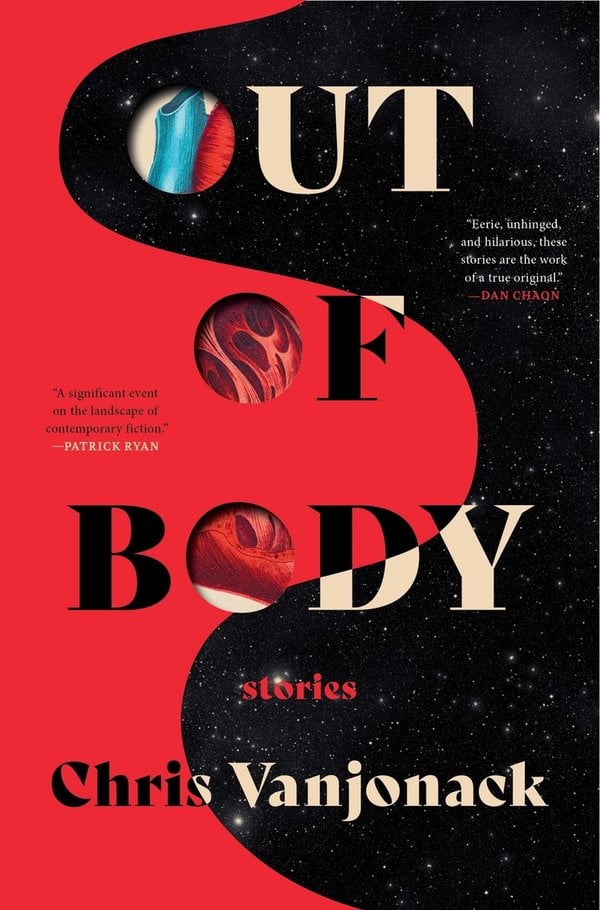
I didn’t set out to write a book that includes as much ghost sex as there is in my debut story collection, Out of Body, but I guess it’s tough to know exactly what it is you’re writing until after you’ve written it.
Although sex and death are present across the entire collection, Out of Body includes a triptych of pieces that center ethereal intimacy as the primary driver for the relationships between the main characters: “Phases,” features a pair of aimless, lovelorn ghosts floating through one another in an attempt to approximate the act of sex; “Open Spaces” follows a couple at the onset a pandemic as they travel across their country to fuck in each of the nearly one hundred public, state, and national parks in the continental United States that are broadly rumored to be haunted; and “The Spirit Moves You,” keeps its sights on two hapless strangers who find themselves possessed by incorporeal forces who want to use their bodies as vessels to connect with one another physically.
In my experience, the extended metaphors that are most worth embedding into a story are usually the ones that you come across by accident. It seems clear to me now with a bit of distance that the disembodied, quasi-sex acts in “Phases” are riffing on depression, and that the protagonists in “Open Spaces'” exhibitionism in graveyards and ghost towns is reflecting a desire for physicality at the height of COVID-19, and that the chaotic aftermath of the sex scenes in “The Spirit Moves You” invoke the ways in which we lose control of ourselves in the throes of limerence.
Those meanings are now so obvious to me that it seems impossible that I ever came upon them by accident, but the truth is that if I had any real sense of the metaphorical implications while writing those first drafts, it was entirely subconscious. This is something that I have come to admire about the literary ghost story through my experiences writing and teaching them across the past decade: they seem to lend themselves to deep symbolic meaning, whether you start out intending them to or not.
In the spirit of this appreciation, below is a list of five modern, literary ghost stories that—one way or another—inspired the ghost stories that are scattered across Out of Body. Some of these stories have metaphorical interpretations that are practically announced with a flickering neon light, and others have confounded me in best of ways since I first encountered them.
*
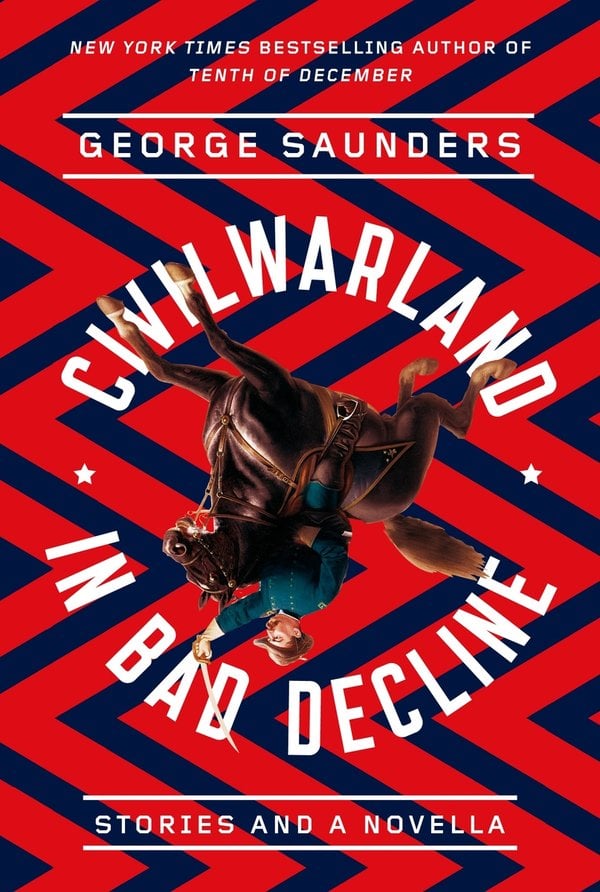
George Saunders, “Civilwarland in Bad Decline” in Civilwarland in Bad Decline
As the first story in George Saunders’ debut story collection, “Civilwarland in Bad Decline” introduces several of the author’s obsessions that he’ll continue to explore over the expanse of his career, including late-stage capitalism, bizzarro amusement parks, and, of course, ghosts.
The portrayal of the McKinnon family is absurd at first, and then funny, and then, in one of Saunders’ earliest strokes of brilliance, completely horrifying, as the McKinnon patriarch helplessly re-enacts the act of violence that ended he and his family’s life in the first place.
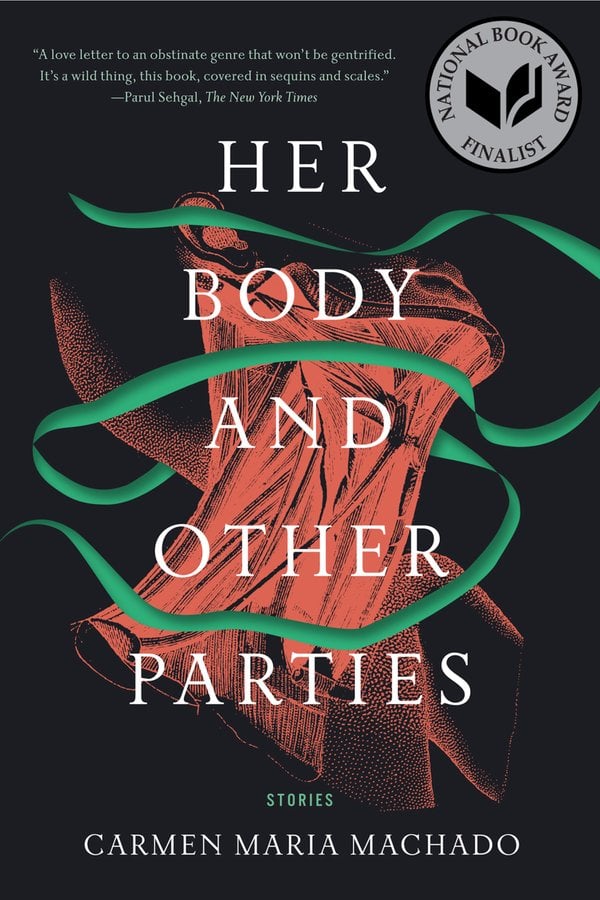
Carmen Maria Machado, “Especially Heinous: 272 Views of Law & Order SVU” in Her Body and Other Parties
Surreal, mystifying, and entirely singular, “Especially Heinous” is Machado’s novella-length plunge into an alternate universe of the long-running TV show, Law & Order SVU. Through Machado’s lens—or viewing, if you will—Stabler and Benson’s investigations broaden to include malicious doppelgängers, extraterrestrial encounters, and ghost girls with bells for eyes who provide Benson with cryptic clues and devastating insights.
“I’m having a crisis of function,” she tells her partner, in a moment of desperation. “Tell me. What do you know about ghosts?”
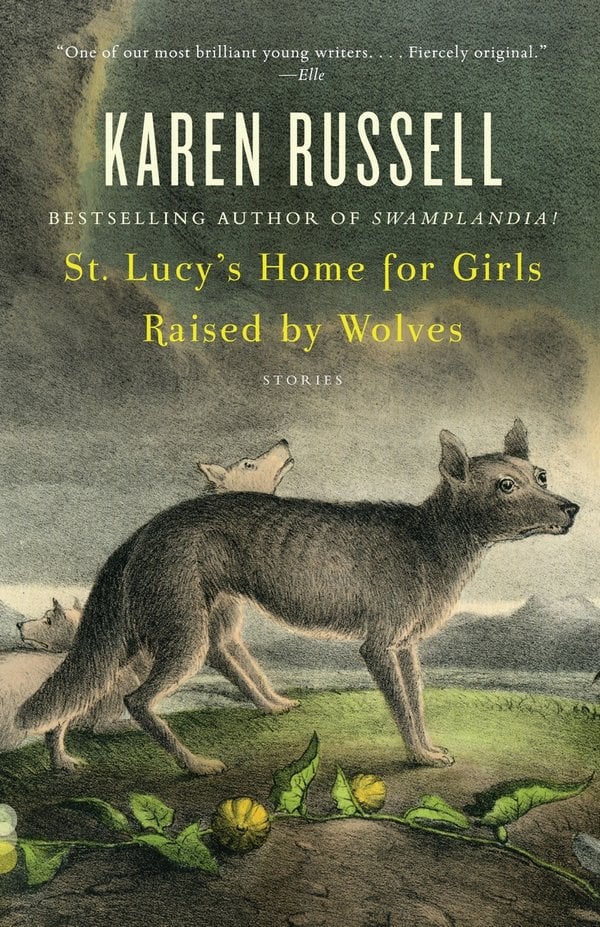
Karen Russell, “Haunting Olivia” in St. Lucy’s Home for Girls Raised by Wolves
Years after the presumed drowning death of their sister, two brothers, Timothy and Wallow, search the waters off the coast of Florida for the ghost of Olivia. Vacillating between deeply felt sorrow and a kind of a childlike wonder at the possibilities of ethereal sea-life, “Haunting Olivia” is structured around an encroaching tide of grief: each time it seems at last to pull away, it only comes back stronger, threatening to swallow them whole.
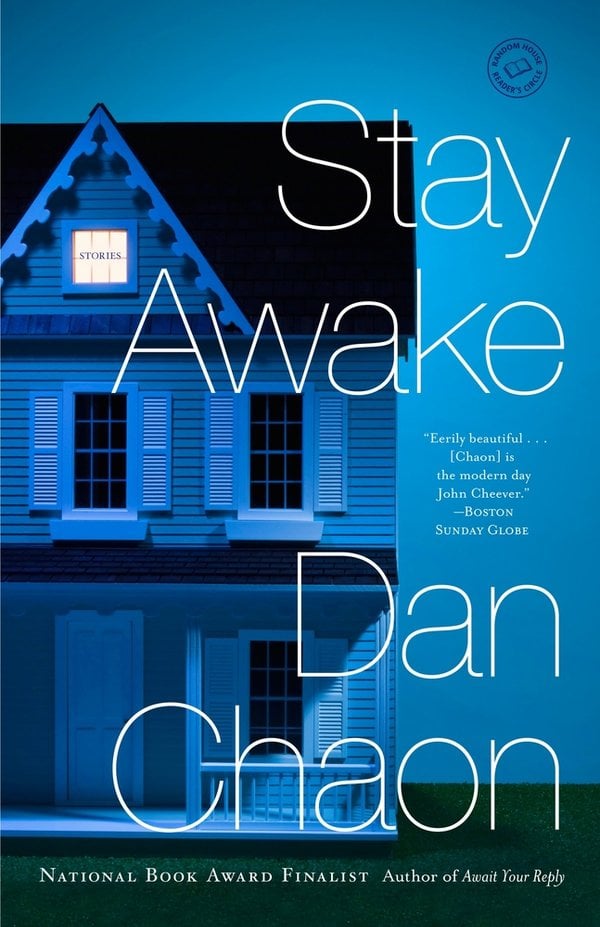
Dan Chaon, “The Farm. The Gold. The Lily-white Hands” in Stay Awake
“Reader,” commands the narrator of “The Farm. The Gold. The Lily-White Hands,” “This is not a metaphor!” Perplexing and daringly inventive, Dan Chaon’s trippy, experimental masterpiece fragments and obscures the usual ghost story tropes into something at once familiar and utterly unrecognizable.
What’s real and what isn’t? Is there an actual haunting at the heart of this story, or are the trio of protagonists merely processing their childhood trauma? Even with the narrator’s assurance to take the story’s events literally, the readers are left as shaken and confused as the characters.
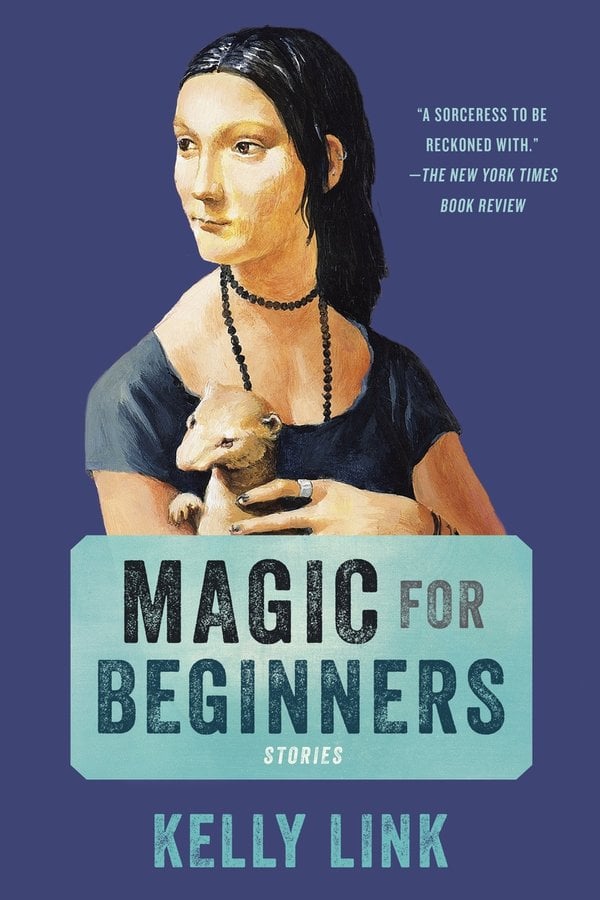
Kelly Link, “Stone Animals” in Magic for Beginners
From the very first sentence of this disorienting dense novella, Kelly Link thrusts her readers into a haunted house story unlike any other. The secluded house that the affluent protagonists have just moved into might not be haunted, but everything they’ve brought with them sure seems to be, from the toothbrush to the television to their beloved cat, King Spanky.
Fitting for a novella that prominently features an ever-expanding rubber band ball, Link piles on a herculean number of details, mysteries, and narrative threads that all coalesce to create something truly special.
***

Chris Vanjonack
Chris Vanjonack is a writer and educator from Denver, Colorado. A recipient of an AWP Intro Journals Award, his fiction and creative nonfiction have appeared in One Story, The Book of the Month Club’s Volume 0, Barrelhouse, Electric Literature, Ninth Letter, DIAGRAM, and elsewhere. He is the author of the story collection Out of Body. He holds an MFA from the University of Illinois at Urbana-Champaign, and he teaches creative writing at the Lighthouse Writers Workshop. He can be found online at chrisvanjonack.com.