
5 Mysteries Set in Grand, Intricate Residences
Louise Candlish explores the fatal attraction of lavish fictional manors
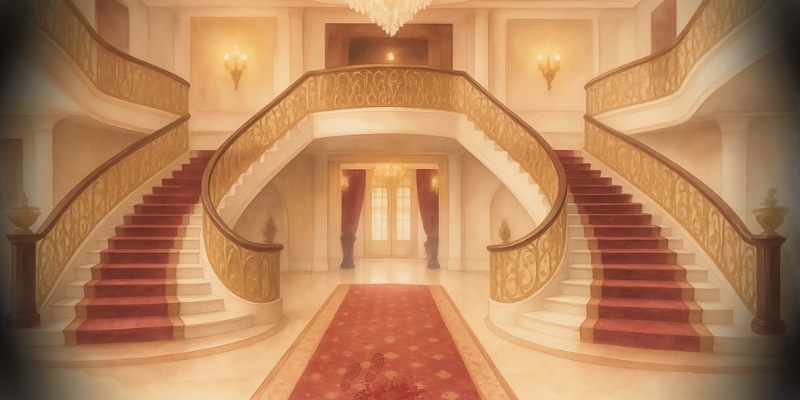
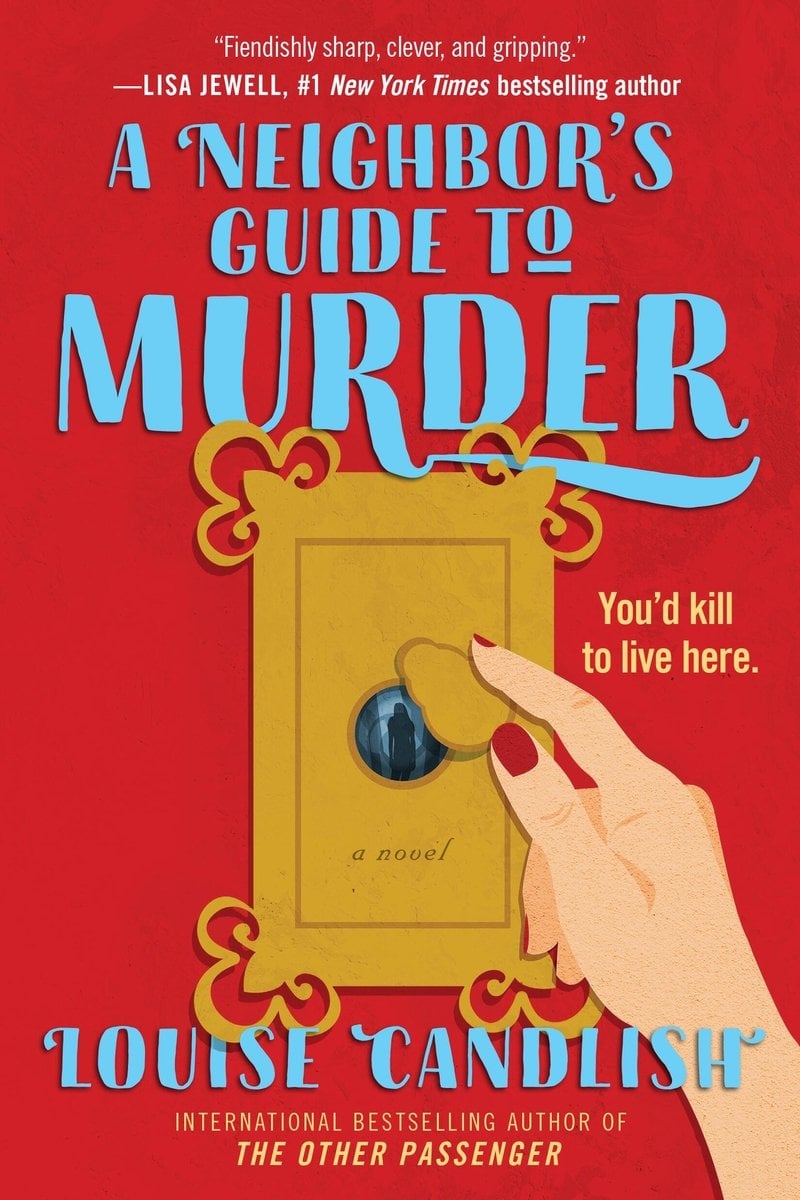
In my new domestic suspense, A Neighbor’s Guide to Murder, Pixie, our troubled Gen Z protagonist, has a peculiar compulsion. Despite having no available funds, she likes to waste estate agents’ time by viewing posh mansion block rentals in the smarter parts of London, dreaming of the improved version of herself who’d live there if only she might catch a break.
Then she moves into Columbia Mansions and discovers the dangerous reality of such gracious living….
Columbia Mansions is loosely based on a grand Edwardian building near the River Thames in West London (recent owners of these £2-million+ apartments include Succession’s Matthew McFadden) and Pixie’s fascination with the form has its origins in my own. Skulking near the building during a research trip, I was invited in by a resident to have a look around.
Let’s just say she struggled to get rid of me—I could have spent all day cooing over those elegant, capacious rooms, the high windows overlooking lush communal gardens, the silver ribbon of river beyond. (Later, that same apartment came on the market, but sadly it was out of my price range….)
Swanky buildings and grand mansions are a staple of fiction, of course, offering a world within a world, a readymade theatre whose cast lurk in their respective quarters alert for their cue. Throw in a hidden door and secret staircase or two and murder feels almost inevitable.
Here are a handful of my favorites…
*

Ira Levin, Rosemary’s Baby
‘Old, black and elephantine’, the Bramford is a Gothic building in New York City with a history of witchcraft and murder. Not much, then, to deter Rosemary and Guy from snapping up the lease for Apartment 7E when it becomes unexpectedly available. Soon Guy has fallen under the influence of elderly neighbors the Castevets, while a pregnant Rosemary finds herself increasingly isolated and menaced.
I think most of us know what it is that makes her baby so infamous, but what are the clues that the building itself harbours satanic vibes? Well, the elevator is oak-paneled, the hallways dimly lit, the previous occupant dead—to name but three.
The Bramford was famously modeled on the Dakota, the Upper West Side icon now best known for being the scene of John Lennon’s murder in 1980. In Polanski’s classic adaptation of the novel starring Mia Farrow, the Dakota provides the exterior shots, cementing forevermore the connection between the real and the imagined.
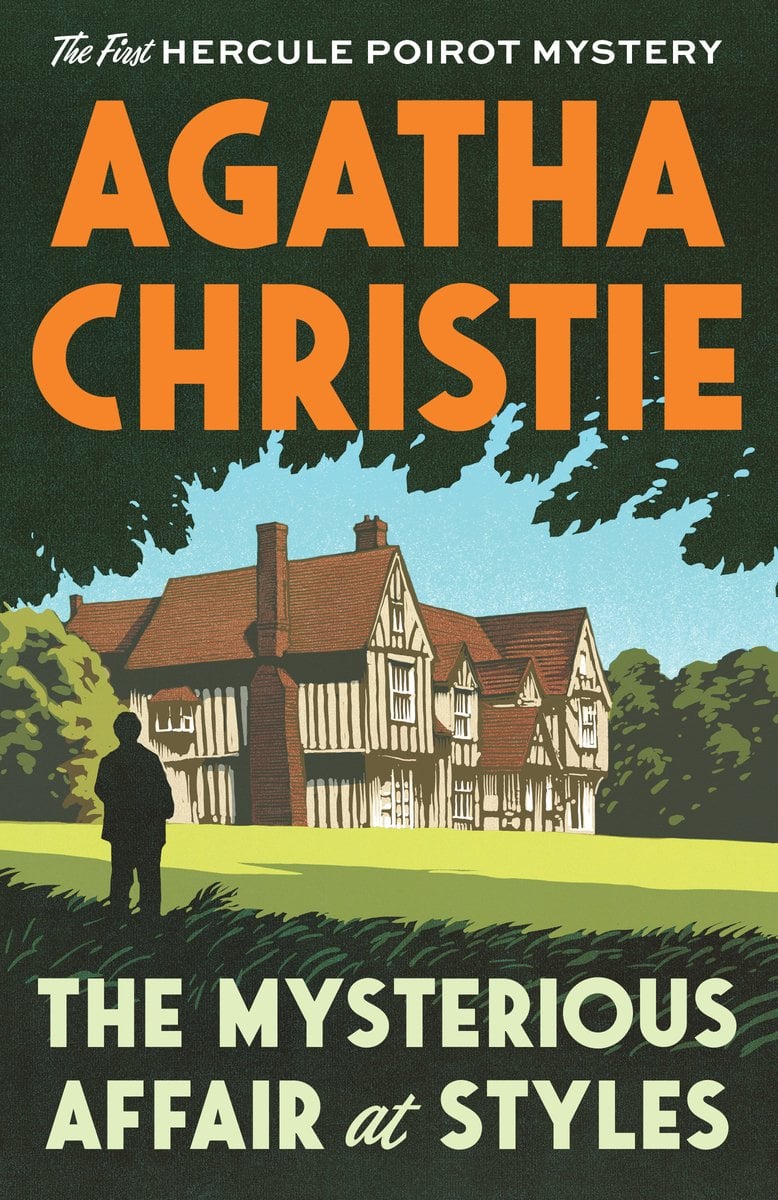
Agatha Christie, The Mysterious Affair at Styles
Styles Court is a manor house in the fictional village of Styles St Mary in Essex, to the northeast of London. While noted for being the story that introduced Poirot, the book also set the template for the grand country houses we now take for granted in any locked-room mystery worth its salt (other Christies set in manor houses include The Body in the Library and Dead Man’s Folly).
Arriving at the lodge gates, Hastings feels he has “suddenly strayed into another world” and yet less is more for Christie when it comes to architectural detail: it’s “a fine old house,” we’re told, where tea is served under a shady old sycamore and baths taken in a tub with mahogany sides. Its floorplans matter more than its moldings.
It is at Styles that Poirot ends his days in Curtain: Poirot’s Last Case. Now a sprawling guest house “badly in need of a coat of paint,” it makes up for in nostalgia— and a new murder mystery—what it lacks in creature comforts.
Barbara Vine, A Fatal Inversion
Two-hundred-year-old Wyvis Hall in Suffolk is grand enough to have its own lake, woods, stable block and animal cemetery and it is in the latter that human bones are unearthed by current owners Alec and Meg. The discovery sparks an investigation into the events of a decade earlier, when a hedonistic young man called Adam occupied the place, renaming it Ecalpemos (“some place” in reverse). Here, friends and hangers-on collected for a summer of free love, living “like sultans” in the hall’s decaying grandeur, adrift from the rest of the world both physically and morally.
The Georgian gem that is Wyvis Hall “could only be England,” as one of the characters remarks—and uniquely the product of this particular virtuoso’s imagination.
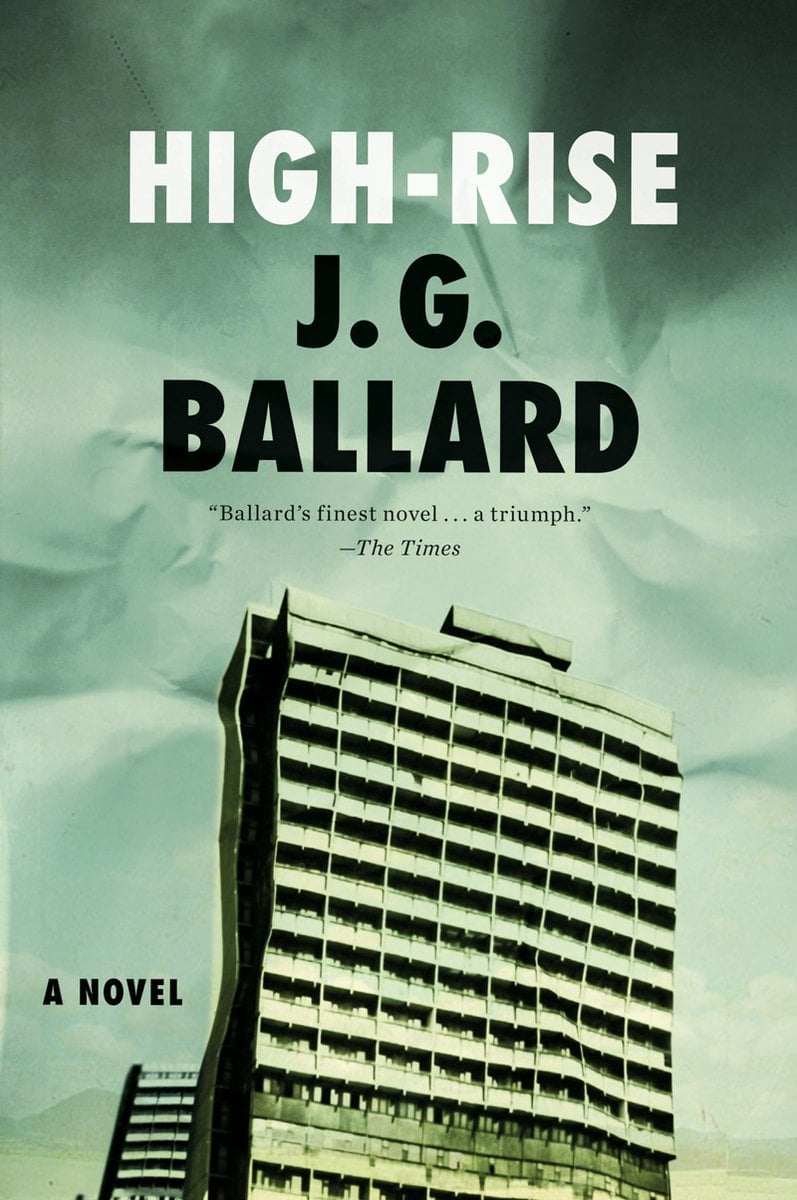
JG Ballard, High-Rise
In the bleak, dystopian High-Rise, Ballard gives us residential architecture as a form of theatre macabre. The unnamed tower block references London brutalist masterpieces like the Barbican and Trellick Tower, its forty floors accommodating a thousand apartments. Though about as far from Christie’s and Vine’s bucolic English retreats as you could imagine, this urban hell of empty concrete plazas and traffic smog, of narcissism and insomnia, is nonetheless a premium option for its residents.
While every facility and service has been included in the building, self-containment proves to be a form of alienation, the psychological effects of which cause deviant new behaviours (pet parents avert your eyes at the opening line: ‘Later, as he sat on his balcony eating the dog…’)
You have been warned.

Dennis Lehane, Shutter Island
While there is an iconic house in Shutter Island—the stone lodge on the lake, scene of the historic Laeddis family tragedy—it’s the hospital building on the island that is most strongly associated with Lehane’s masterpiece. Ashecliffe Hospital is home to the criminally insane, a nicely Gothic trope and yet, we are told, a handsome and “benign” structure that resembles nothing so much as a boarding school.
Be not deceived, however: the tension between how things look and how things are is precisely what propels Shutter Island to the very top of the thriller tree.
***

Louise Candlish
Louise Candlish is the internationally bestselling author of The Other Passenger and Our House, winner of the British Book Awards Crime & Thriller of the Year and adapted for TV as a limited series starring Martin Compston and Tuppence Middleton. She is the winner of a Ned Kelly Award for International Crime Fiction in Australia and is a three-time nominee for the prestigious Theakston Old Peculier Crime Novel of the Year Award in the UK. She lives in south London with her husband, daughter and fox-red Labrador Bertie.