
Pandemics, Zombies, Haunted Houses: 6 Novels That Invert Horror Tropes
Michael Seidlinger recommends Isaac Marion, Virginia Feito, and more
There’s something comforting about diving into a book that really doubles down on a trope, providing something so familiar that even if it’s frightening, there’s a sense that you got this, and you have the armor and the tools to survive to the end. It’s why we often return to certain books, films, and video games that wouldn’t ever really qualify as “feel good.”
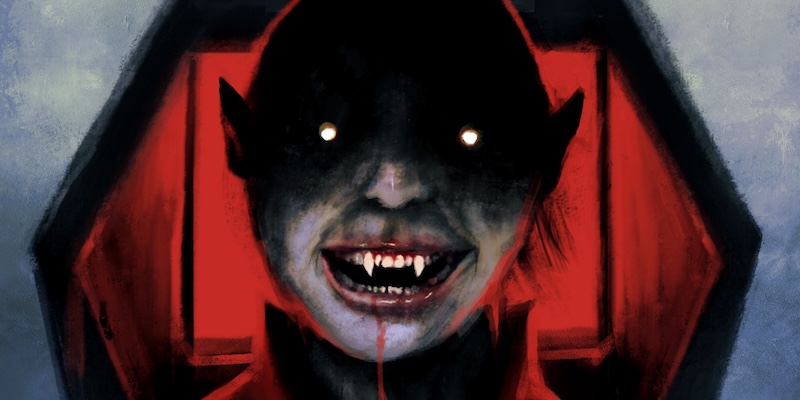
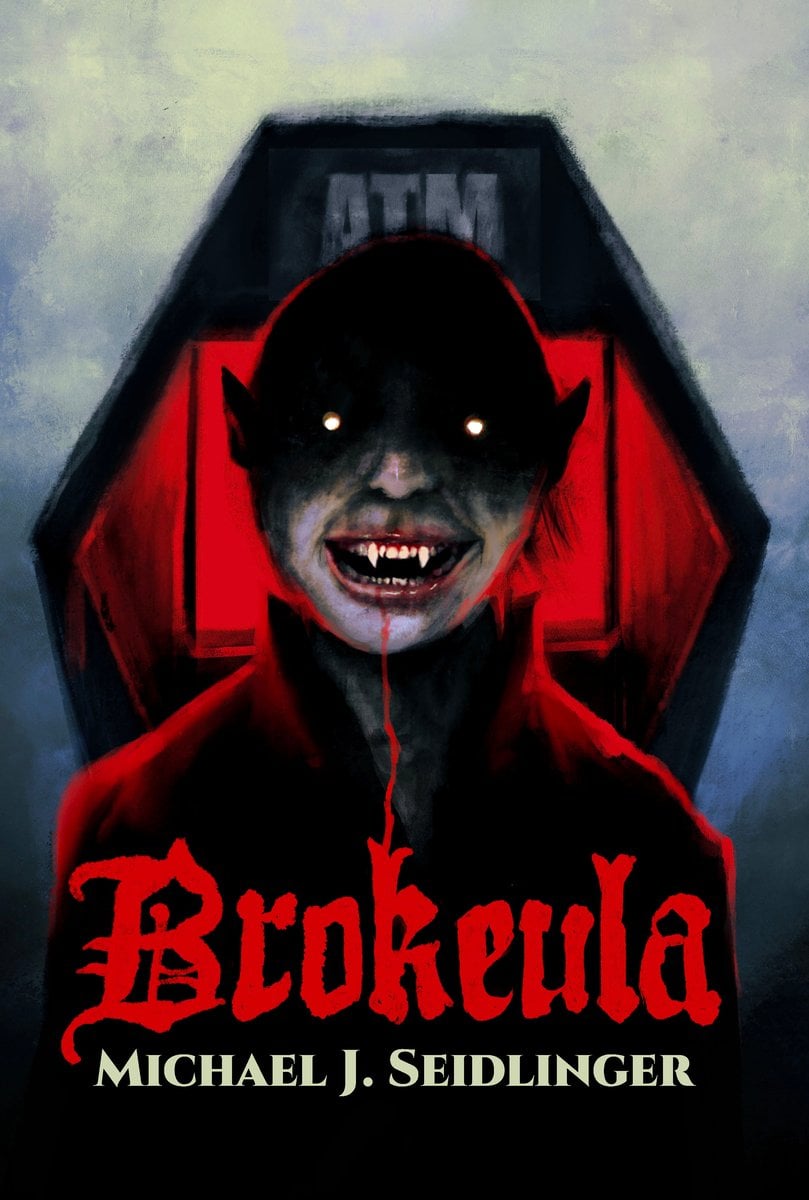
Just as often we look for a unique spin, or inversion of a familiar trope, one that offers something fascinating and even a little dangerous. That’s what I ended trying to do with Brokeula: It takes the vampire trope and flips it, inspecting the perils of capitalism from the guise of a broke-ass vampire, one completely unlike most vampires who tend to have no issues whatsoever with finances.
There are tons of books that spin a trope in a surprisingly unique way. Here are a few great examples of trope inversions across the years, and in some cases, decades.
*
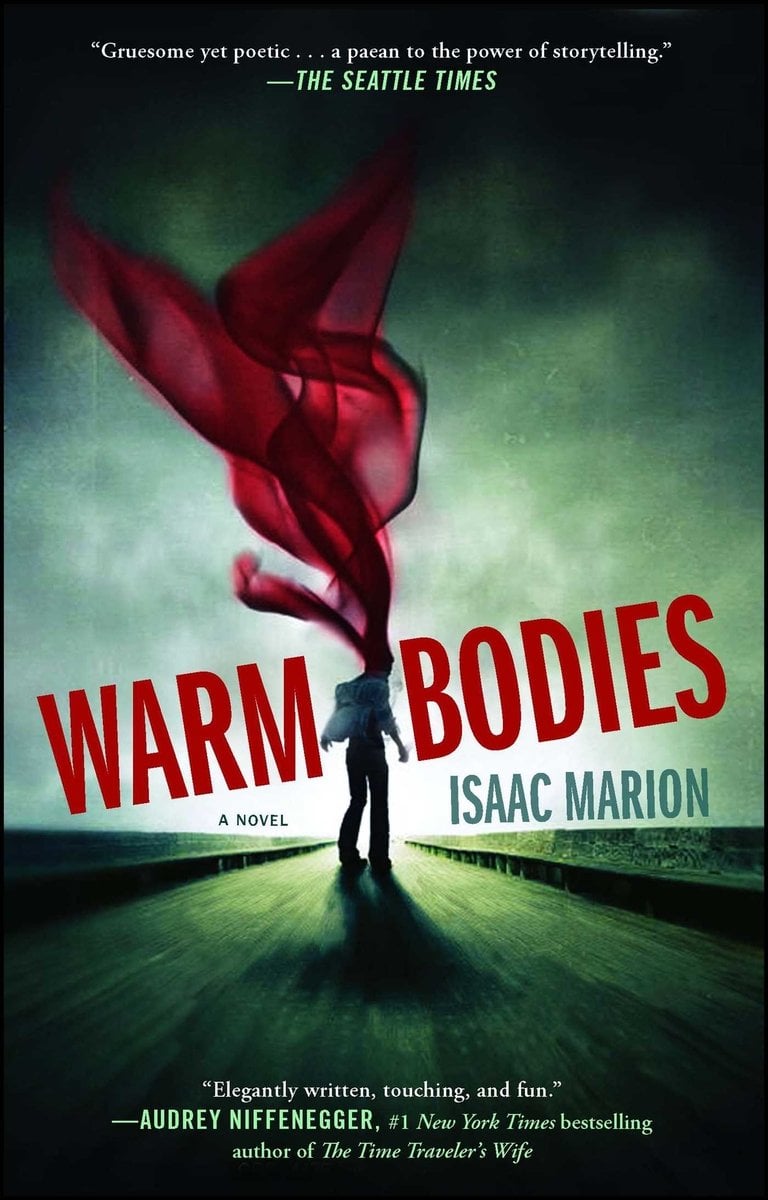
Isaac Marion, Warm Bodies
We all know the zombie trope well, and more so the whole zombie apocalypse that so often goes hand-in-hand with our favorite, shuffling post-human creatures. Isaac Marion took the trope and spun it into an empathic tale where the zombie may still be dead but now, they have the capacity of experiencing human feeling and memory.
Protagonist R is shuffling around like a zombie does until he bites into the brains of someone who has memories of a first love, Julie. Soon R is falling for Julie too, and in continuing his interest in all-things human, he manages to regain some of the humanity thought long gone.
Warm Bodies is at once a tale of love and loss, but also a great use of the zombie trope to explore the philosophical plight of the living dead.
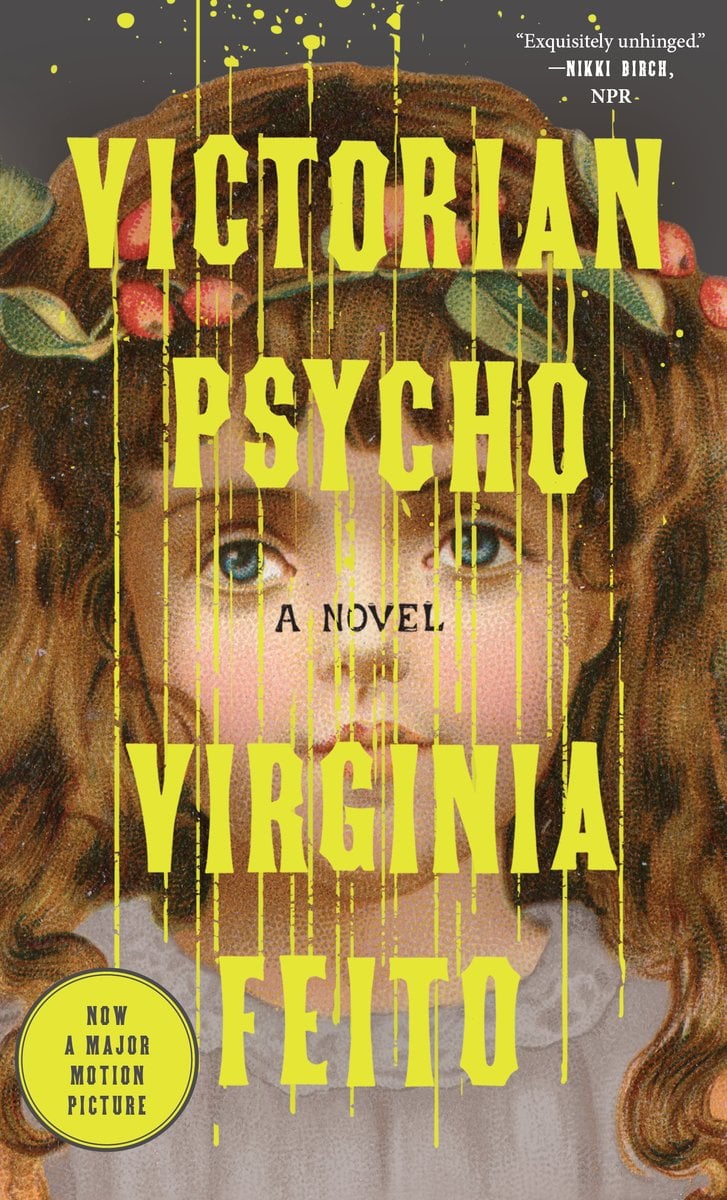
Virginia Feito, Victorian Psycho
Ah the killer/serial killer trope. It almost always involves a lot of gore and a trail of murders. Though Victorian Psycho is certainly full of both, it is also a refreshing take on the serial killer story.
Winifred Notty arrives at the Ensor House for Christmas, unassuming in her arrival and primed to uphold her status as governess. Of course, she has arrived with her own intentions and her own secrets that quickly turn the moment into a wild madcap ride that redefines the killer trope to a darkly comedic and transgressive effect. Forget Hannibal Lector or Patrick Batemen: Winifred Notty has entered the chat.

Joan Lindsay, Picnic at Hanging Rock
Though most will recognize this title from both the 1975 film adaptation and the 2018 television series, Joan Lindsay’s Picnic at Hanging Rock is a novel published in the 1960s and was unlike anything else. One day students from the Appleyard College for Young Ladies decide to make the most of the beautiful sunny day and have a picnic up at Hanging Rock…only they never returned.
The book proceeds to explore the ripple effects of the disappearance so convincingly it was (and still is) often read as true crime.
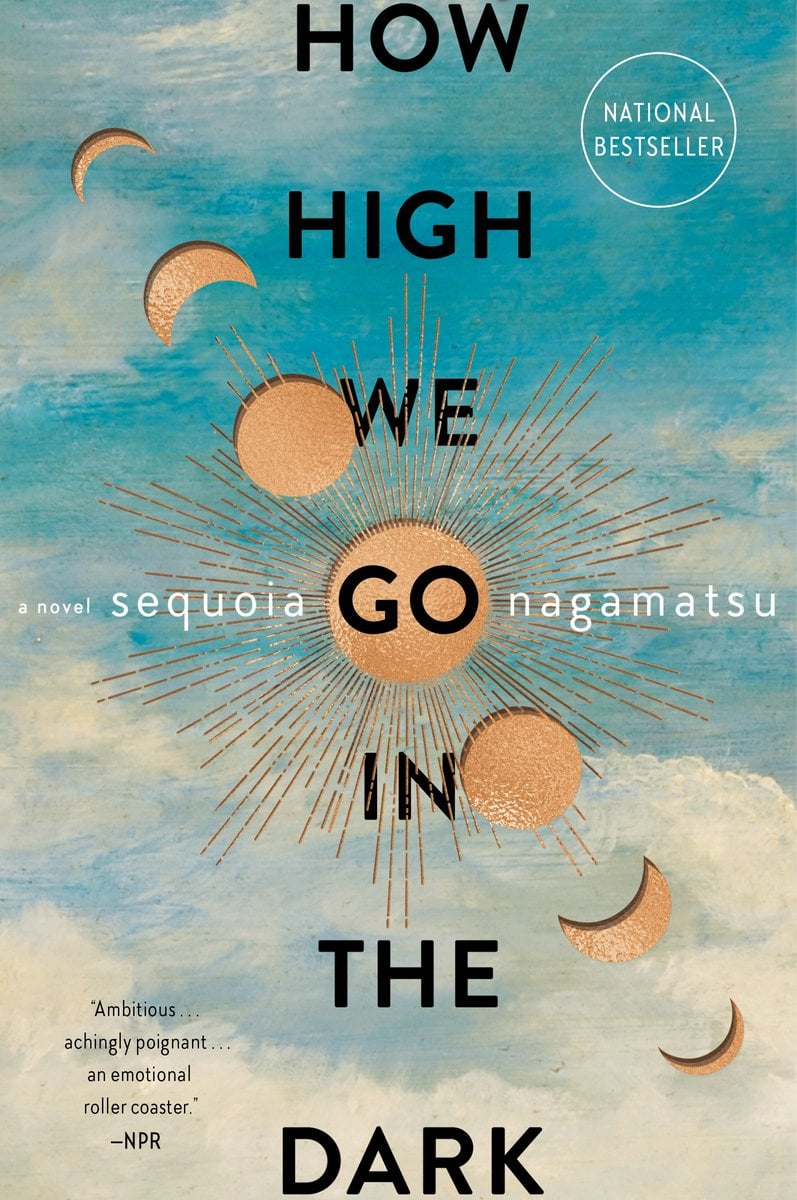
Sequoia Nagamatsu, How High We Go in the Dark
The pandemic trope is one that always seems frighteningly timely. In Sequoia Nagamatsu’s marvelous How High We Go in the Dark, the virus spread common of the pandemic narrative is explored in an alarming and refreshing way where we see how human empathy and human resilience can and will outlast across generations.
Nagamatsu inverts the trope so deftly in how he decides to focus on the prismic effect of the passage of time, as they survive and struggle to maintain hope.
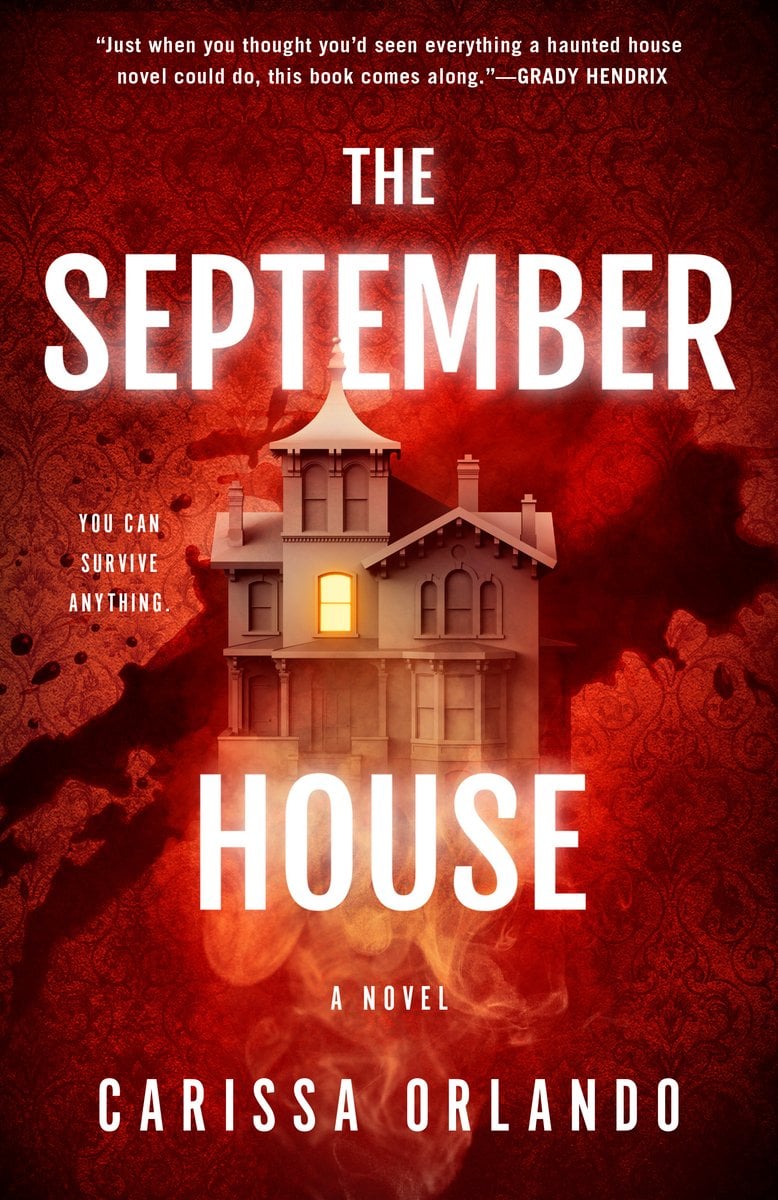
Carissa Orlando, The September House
If you happen to end up living in a haunted house, odds are you’re going to want to pick up roots post-haste and peace out. Not the case with Margaret, Carissa Orlando’s protagonist in her addictive and inventive redesign of the haunted house trope, The September House.
Even after her husband leaves, unable to deal with the paranormal activity, Margaret stays. She is not leaving. You cannot even imagine what she gets into, and it’s not just the usual “bump in the night.” The September House is as much fun as it is frightening, and a great spin on a touchstone trope.
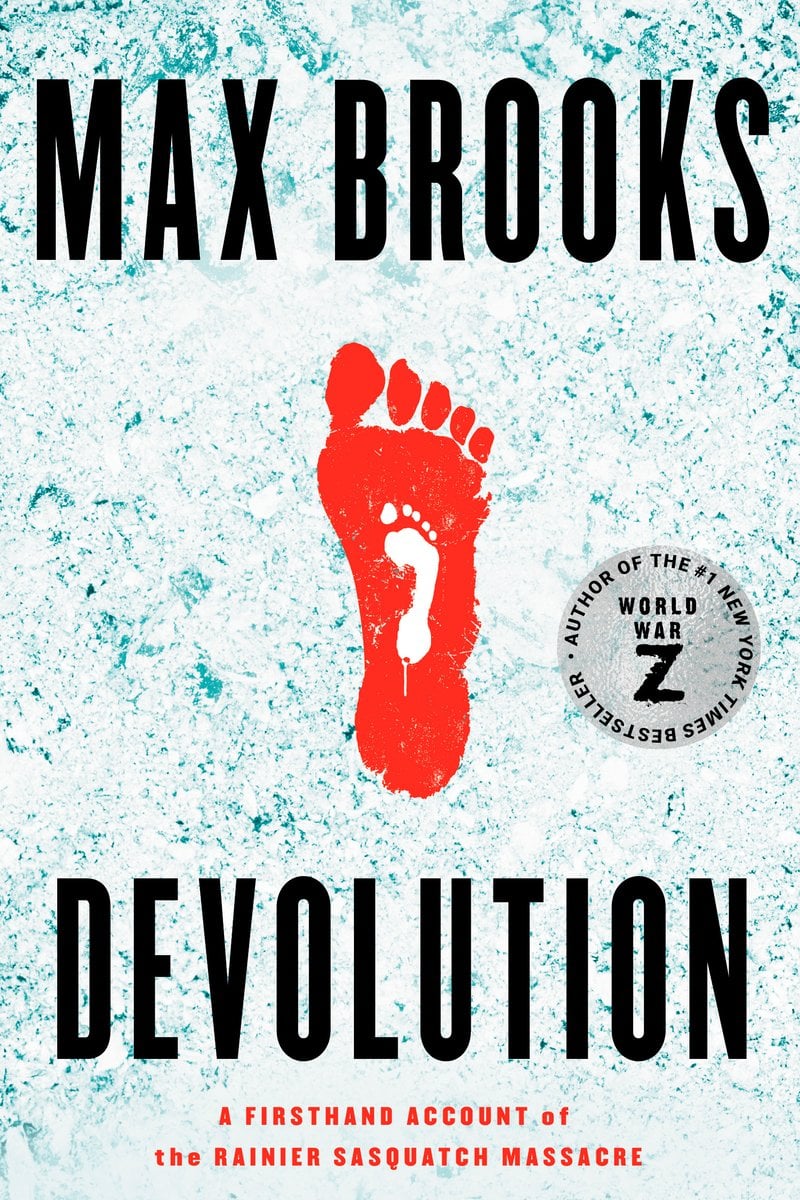
Max Brooks, Devolution
Brooks has always approached beloved tropes with a unique spin. His debut, The Zombie Survival Guide, took to the zombie trope with a hilarious and unique How-To structure, and his follow-up, World War Z, further explored the zombie apocalypse concept.
In Devolution, he takes the same propensity to invert and innovate in playful ways with Bigfoot. Devolution is a novel about a community that ends up fighting for life as not one but many Bigfoot (Bigfeet?) decide to take the town.
***

Michael Seidlinger
Michael J. Seidlinger is the first-generation Filipino-American author of