
9 Suspense Novels with Unforgettable Settings
Hallie Shepherd recommends Paula Hawkins, Stuart Turton, Riley Sager, and more
As a reader and a writer, I crave stories with a very strong sense of place. I love when a setting is so vivid and distinctive that it shapes the story as much as the characters do.
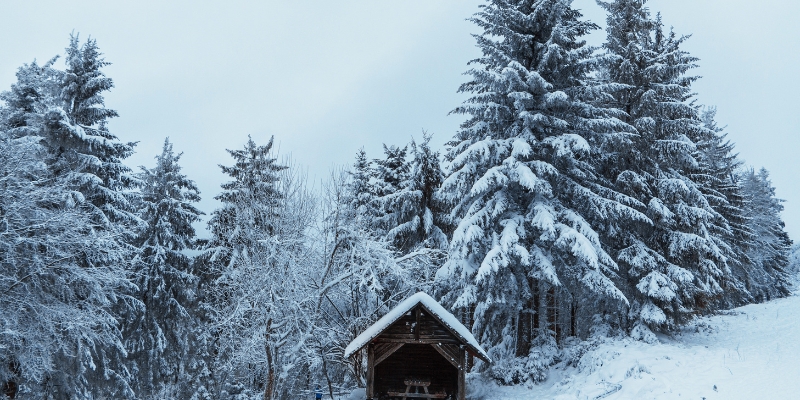
One of the early seeds of my debut novel, Call Off the Dark, was an image that came to me of a young woman in old-fashioned clothes, despondently doing her chores in a century-old farmhouse surrounded by towering fir trees. Except it was present day. Why was she dressed like that? What was she doing out there? Something about the isolation felt eerie and gothic to me, and I knew her reason for fleeing to the woods would need to be extreme—and that a new kind of danger would need to be the catalyst that woke her up.
That’s the kind of setting I love in suspense novels: one that amplifies the tension, deepens the mood, and becomes an essential part of the story rather than simply a backdrop.
Here are nine suspense novels with unforgettable settings.
*
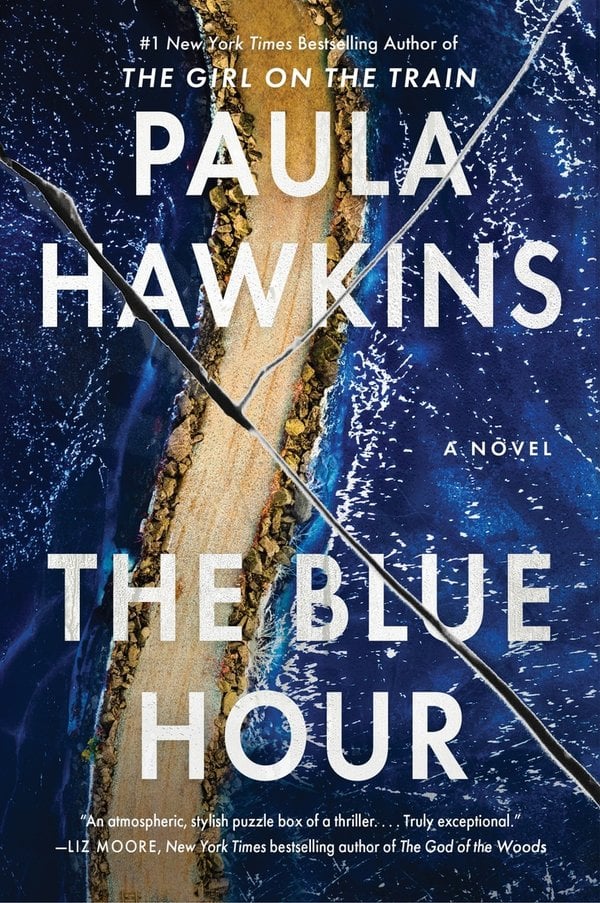
Paula Hawkins, The Blue Hour
Eris is a Scottish tidal island with one house on it, connected to the mainland only during certain hours. That means the sea functions like a ticking clock that can trap a character on the island or prevent help from reaching it. When a human bone is discovered inside a sculpture by a celebrated—and now deceased—artist, an art curator travels to the strange island to investigate both the artist who once lived there and the enigmatic friend who inherited the property.
Hawkins is a master of detail, creating imagery that is both beautiful and menacing. What begins as an intriguing art-world mystery deepens into a haunting story with dark psychological layers. I closed the last page feeling conflicted and unsettled—but in the best possible way.
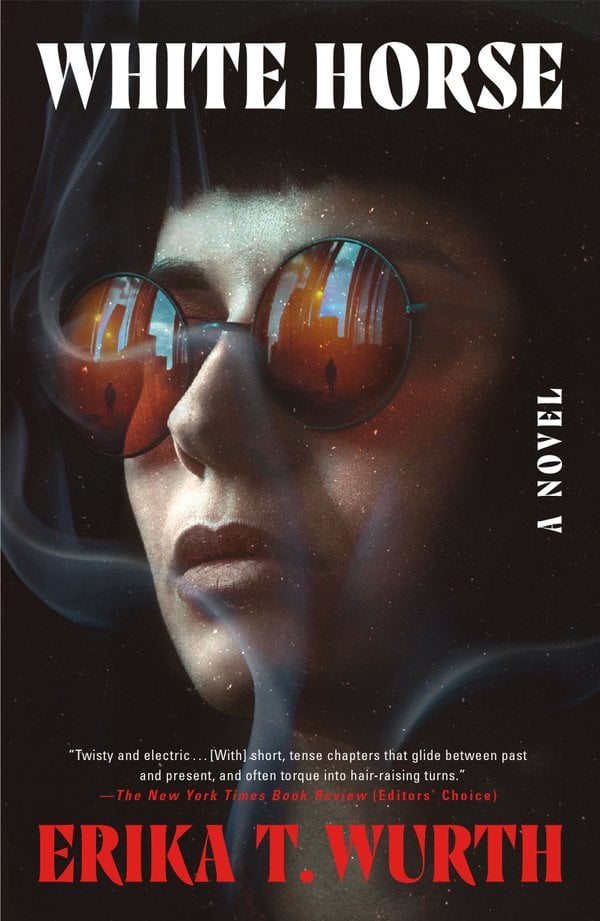
Erika T. Wurth, White Horse
Wurth gives Colorado a gritty, lived-in quality, from the dive bars of Denver to the rough-edged mountain town of Idaho Springs. Kari is an urban Native who has spent much of her life avoiding questions about her mother’s disappearance, but when a family bracelet triggers disturbing visions, she is forced to confront the past.
Wurth weaves Indigenous culture, history, and spirituality into a world of heavy metal, cigarettes, family trauma, and working-class life, creating an edgy, contemporary kind of horror. The result is a book that feels very different from the remote or gothic settings often associated with supernatural fiction.
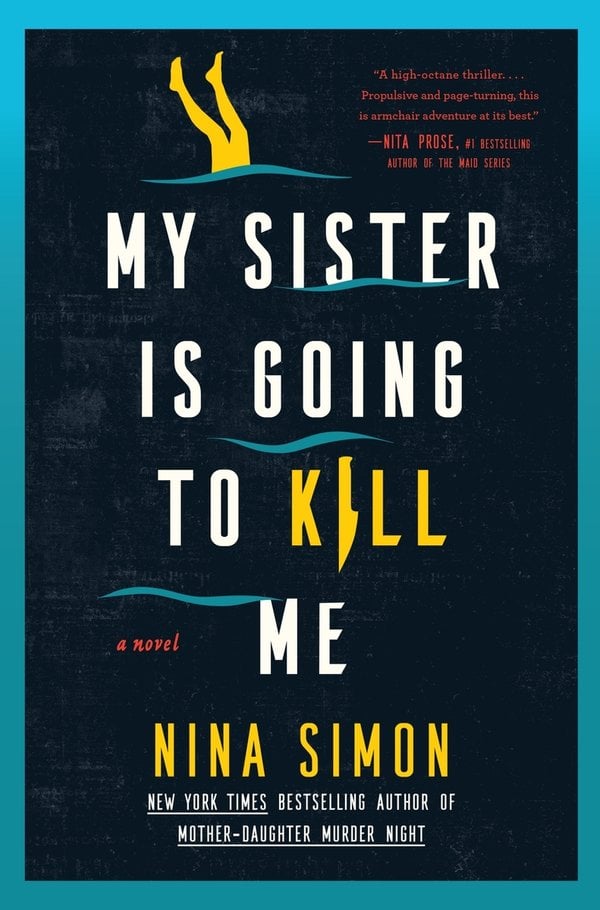
Nina Simon, My Sister is Going to Kill Me
Much of the suspense of this book is rooted in the adventure of its premise. Two sisters—with clashing personalities—embark on a whitewater rafting trip on the Colorado River in the depths of the Grand Canyon. The sisterly friction is compounded by the threat of river rapids, the danger of rattlesnakes, and the risk of trails along precarious cliffs. Oh, and murder. There’s a killer in the rafting group, and with the police out of reach, the sisters must team up to sleuth it out.
In many ways, this novel feels like a locked-room mystery, except that the “room” is a wild and unpredictable landscape. I’m not sure if this book made me want to visit the bottom of the Grand Canyon or stay as far away from it as possible! Maybe both.
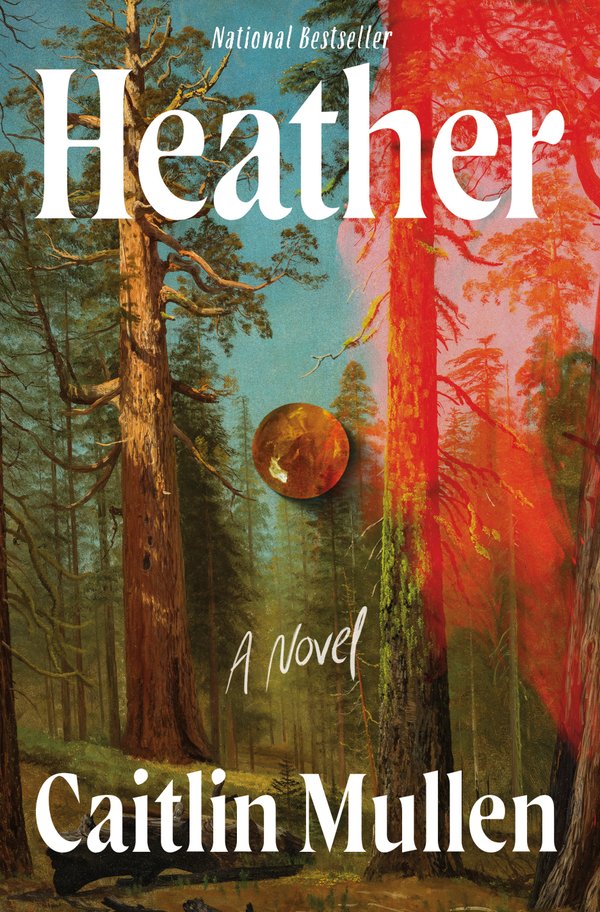
Caitlin Mullen, Heather
A young detective returns to her hometown in the New Jersey Pine Barrens, upsetting the “boys’ club” there when she’s promoted to police chief and reopens a cold-case murder that forces the town to confront its loyalties and secrets.
The Pine Barrens are more than a backdrop in this haunting mystery. The landscape reflects the struggles of the people who live there. Wild, isolated, and in some places inhospitable, the woods and marshlands that Mullen describes in vivid detail feel both forgotten and fiercely resilient. That sense of isolation echoes the lives of the characters, particularly two teenage twins at the center of the story, who are growing up with too little protection in a community that sometimes feels as dangerous as the overgrown woods that surround it.
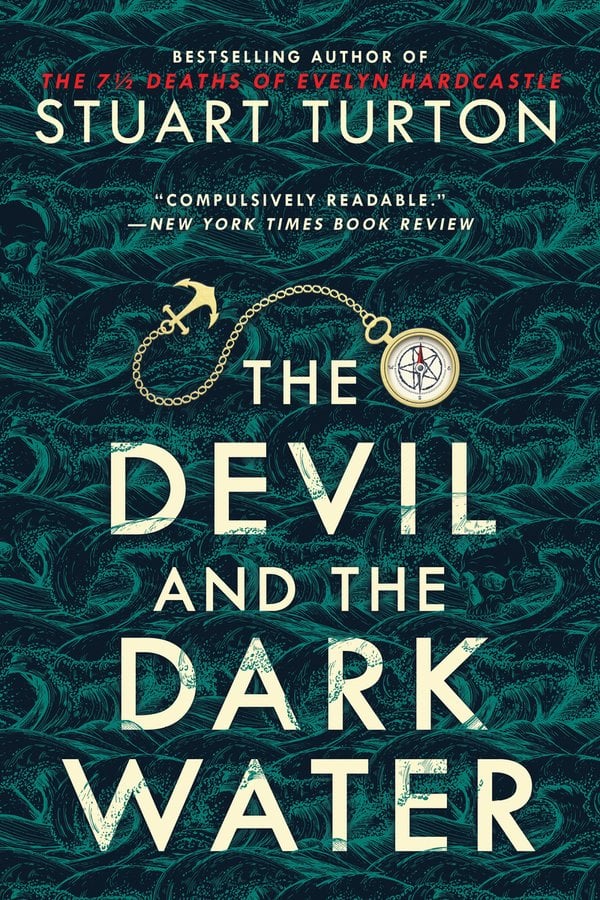
Stuart Turton, The Devil and the Dark Water
This is one of the most creative settings on my list: It’s 1634, and a merchant ship is embarking on an eight-month voyage from Batavia (present-day Jakarta) to Amsterdam. Once the ship is at sea, strange things begin happening, including a dire warning, unexplained phenomena, and a series of crimes that leave passengers wondering whether a demon is stalking the ship. With nowhere to escape and no possibility of outside help, everyone on board is trapped in the middle of the ocean.
The unsettling contrast between the vastness of the sea and the ship’s claustrophobia makes this setting feel especially ominous.
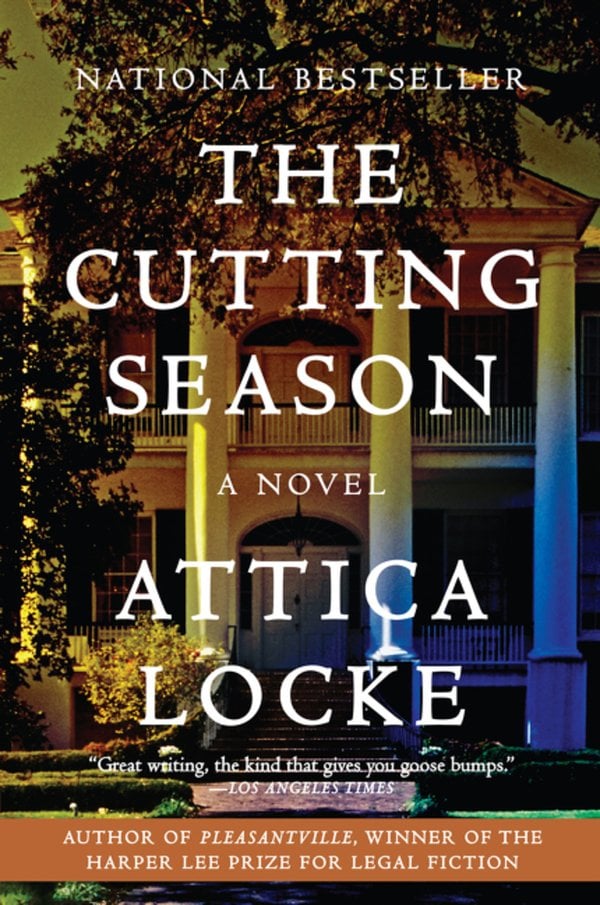
Attica Locke, The Cutting Season
The story takes place at Belle Vie, a fictional antebellum sugar plantation in rural southern Louisiana. When a female migrant worker is found dead at the edge of the property, Belle Vie’s Black manager is drawn into the plantation’s history of slavery and her own family’s connection to the land.
The inspiration behind the setting comes from a real place: Oak Alley. The author attended a wedding there and describes feeling a mix of rage and revulsion as well as longing and love toward the pre-Civil War landmark. I visited Oak Alley myself during a 2007 trip to New Orleans, and I can see how it inspired such a beautiful but deeply unsettling place for the story.
Locke’s prose draws you into the lush, dreamy landscape, with its terrible history pulsing beneath the surface.
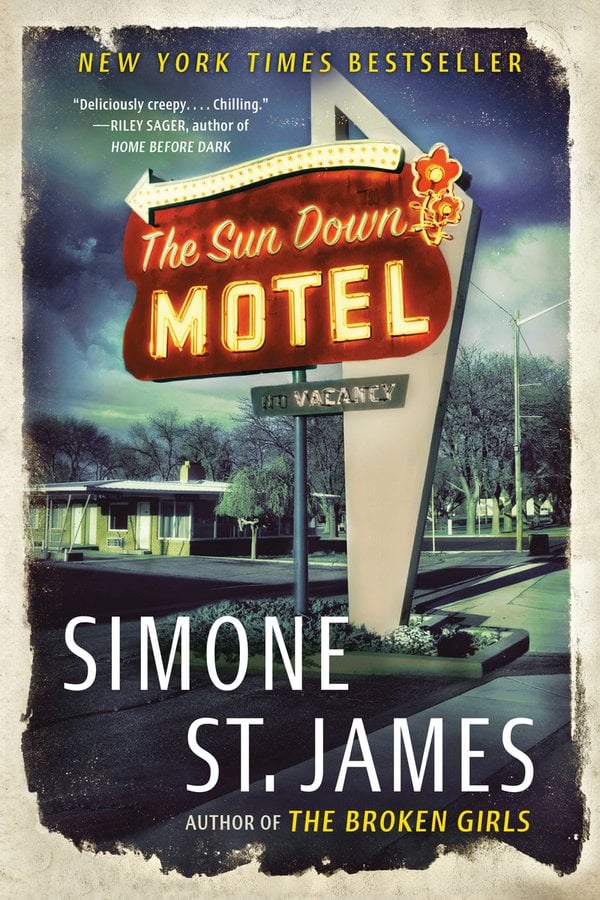
Simone St. James, The Sun Down Motel
The Sun Down Motel is one of those settings I could picture so clearly that I almost felt like I’d spent a night there myself. Twenty-year-old Carly moves to the fictional town of Fell, New York, to investigate her aunt Viv’s disappearance and takes the same job at the motel where Viv vanished twenty-five years earlier. During the night shift, doors open on their own, lights flicker, cigarette smoke appears from nowhere, and ghosts reveal themselves.
St. James makes the motel feel alive, turning a faded roadside stop into a memorable, spooky place.

Gillian Flynn, Sharp Objects
This is my favorite of the three Flynn novels. Camille, a reporter fresh from a brief stay in a psychiatric hospital, is sent back to her tiny hometown to cover the murders of two preteen girls.
Wind Gap’s physical appearance—with its manicured lawns, historic Victorian homes, and small-town Missouri civility—is a beautiful façade that conceals a cruel social hierarchy and a history of violence. It’s a hot and humid summer, and the culture is equally oppressive. Flynn paints a complex heroine whose life is desperately unraveling, while Wind Gap’s polished exterior conceals an equally dark reality.
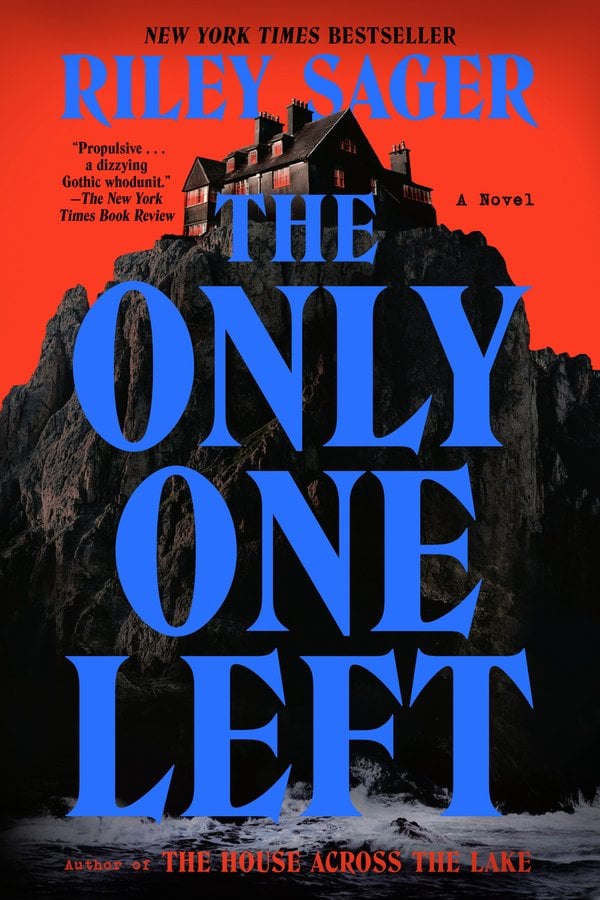
Riley Sager, The Only One Left
When Kit moves into a cliffside mansion to care for elderly Lenora, it’s not a typical caregiving job. Lenora’s entire family was murdered there when she was only seventeen years old, and though she was never charged with the crime, most people assume she committed it.
The house at the center of this story is truly a character in its own right. There are bloodstains from the murders on the carpet of the grand staircase, and the entire house is perched on the edge of a cliff. Each morning, Kit awakes to discover her mattress has slid several inches from the house’s tilt. As the story progresses, parts of the house break off and crash into the ocean below. The gloomy mansion creates a gothic atmosphere that builds tension throughout the first half before the story accelerates into a twist-heavy thriller.
***
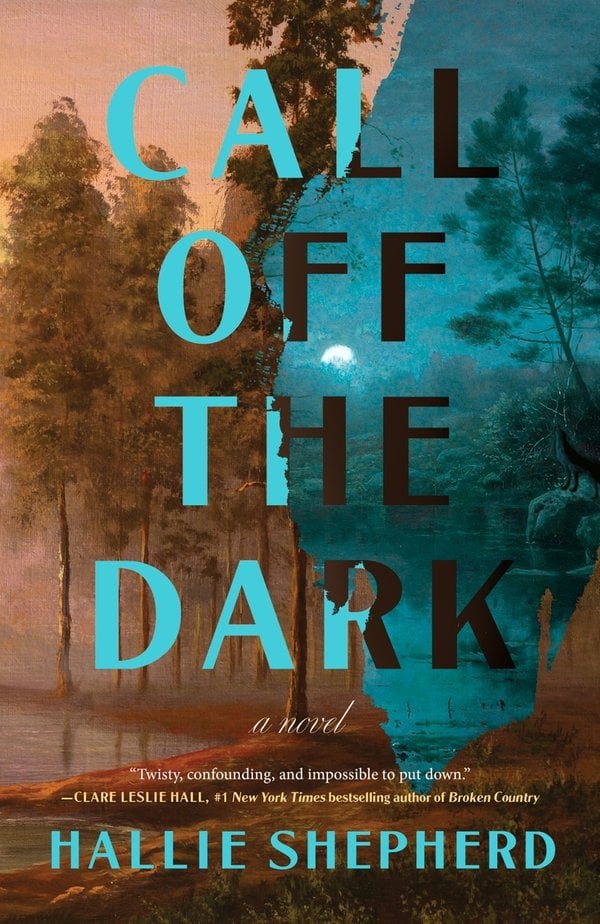

Hallie Shepherd
Hallie Shepherd is a screenwriter, actor, and producer. She is a Pacific Northwest native who now lives in LA with her filmmaker husband. Call Off the Dark is her debut novel.