5 Great Thrillers Where Writers Are at the Center of the Action
Jamie Day on the meta-suspense of writing life novels.
Writers are like magicians: our sleight of hand is our ideas, and our reveal is the craft needed to keep readers turning the pages. A book really is a long magic trick, one that makes us see ourselves in the characters and does more than awe us—it makes us feel.
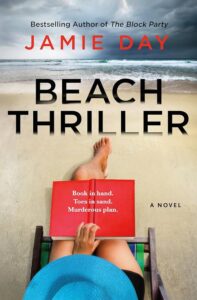
This makes the writer a fascinating meta-character, a chance to peek behind the curtain and see how the magician pulls off the trick. Beach Thriller, with its writer protagonist, Holly Sinclair, follows a long lineage of stories about the novelist—almost all of them centered on the brutal struggle of crafting worlds from words. In Beach Thriller, financial hardship forces Holly to return to her long-abandoned family beach cottage, where she encounters a stalker who wants her to leave, a teen runaway longing for a place to be, and an abandoned manuscript, aptly titled Beach Thriller, containing traumatic links to Holly’s tragic past.
To honor Beach Thriller‘s publication and salute a rich tradition of meta-themed fiction in which writers and writing are essential to the plot, here are five books I’d recommend that give an inside look at the life (and grief) of a wordsmith.
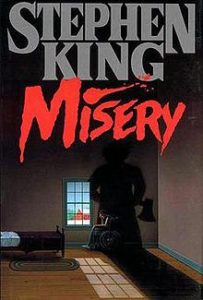
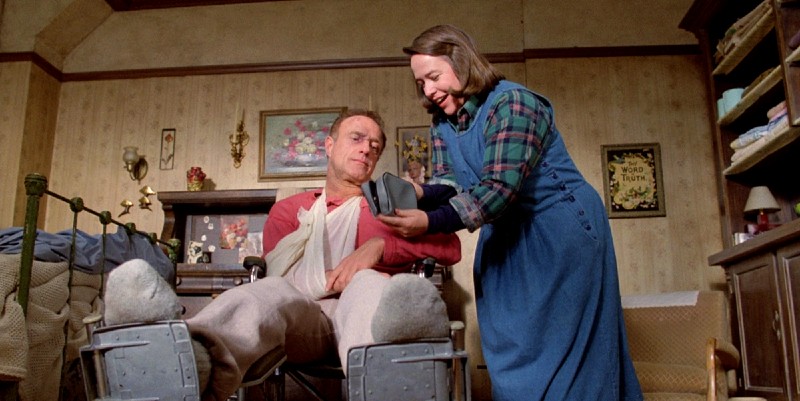
Misery — Stephen King
You all know the story—or should. This book works because readers relate to obsession. Don’t believe me; check out reports from the last BookCon—endless lines, pushing and shoving to get signatures from some of today’s hottest writers. So imagine having the power to not only hang out with your favorite writer, but also shape the content of their story to your exact standards. That’s an opportunity Annie would kill for—literally, while Paul Sheldon was happy just to finish another book and cash the check. The disconnect between writer and reader is never sharper, or more deadly, than in this classic from one of the all time greats.

The Plot — Jean Hanff Korelitz
I read this book the way I’d watch a car crash—one eye closed. It was quite distressing how accurate it felt—that quiet desperation, yearning to have a book that everyone wants to read. I’d venture to guess many writers who say they’re happy to toil in obscurity are lying. Everyone wants some recognition for their hard work—it’s just human nature to want to be successful. But thank goodness most of us have governors on our ambition. Otherwise, we writers might do as washed-up novelist Jacob Finch Bonner did, and steal the manuscript of a dead writing student and pass it off as his own. Naturally, the book is a hit (wouldn’t be much of a story otherwise), but all that glitters…well, the writer in me will let you finish the cliché. History would have been a good guide for Jacob, for there is no more surefire way to ensure one’s own downfall than to deceive the world.
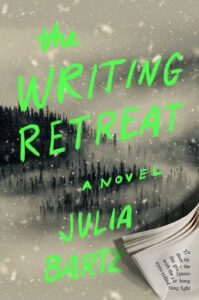
The Writing Retreat — Julia Bartz
In this gripping psychological thriller, Bartz takes the cutthroat business of writing the best book quite literally when ambition turns to murder. Alex, the writer taking her last career gasp, can’t pass up the invitation to the isolated Blackbriar estate, the home of her idol, controversial feminist horror writer Roza Vallo. But when the competition is announced and the best book written in a month is guaranteed a life-changing contract, the typically collegial and supportive writing community turns inward, revealing our darker human nature.
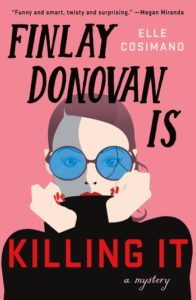
Finlay Donovan Is Killing It — Elle Cosimano
Not all writers portrayed in fiction are dark and dreary—case in point, Finlay Donovan. She has all the writer-life foibles readers appreciate: crushing deadlines, cash shortfalls, crumbling relationships, toxic exes—but paired with humor and wit, it’s no wonder Finlay has become a mainstay on the bestseller lists since her smashing debut.

The Woman in Cabin 10 — Ruth Ware
And let’s end the list with a shoutout to journalists. While their job description is quite different—when you’re cutting down to the bones, a writer is a writer. There are few working today who do creeping dread on every page better than Ruth Ware, so when you apply that skill to the claustrophobic world of cruise ships, you get a modern classic. And while Lo might be a journalist, she suffers many of the maladies that afflict novelists—alcoholism, imposter syndrome, the stigma of writing fluff pieces akin to the demerits ascribed to genre fiction writers, all coupled with general mental instability.
Given the common themes of struggle, self-doubt, crippling fear, crushing deadlines, and financial insecurity, it’s a wonder anybody wants to be a writer. And yet more books are published today than ever, which just goes to prove that the pull of magic is simply too hard to resist.
***

Jamie Day
Jamie Day lives in one of those picture-perfect, coastal New England towns you see in the movies. And just like the movies, Jamie has two children and an adorable dog to fawn over. When not writing or reading, Jamie enjoys yoga, the ocean, cooking, and long walks on the beach with the dog, or the kids, or sometimes both.