
Under the Influence: How Online Popularity Can Lend Forgiveness to Unforgivable Acts
Why audiences love, celebrate, and obsess over Murderers & Manipulators
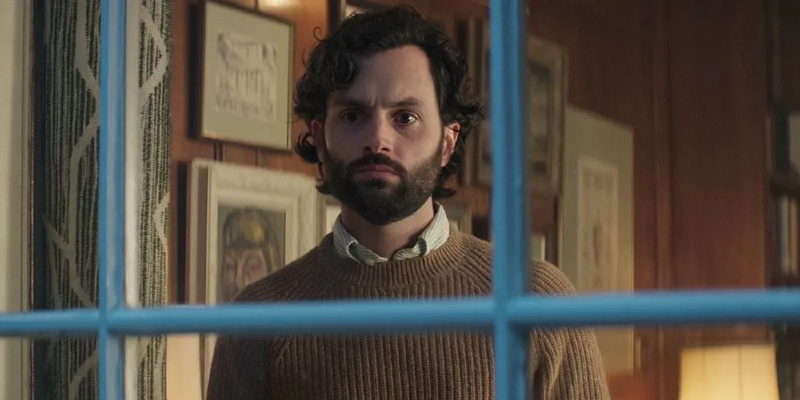
Actor Penn Badgley, speaking to press and on social media, expressed a kind of nauseated confusion as to why so many fans of the hit book-to-Nextflix series You fell in love with his portrayal of the hopelessly romantic bookstore clerk, Joe Goldberg. Sure, Joe had swarthy arms and a Clark Kent kiss swirl. Sure, Joe read classic literature and cooked homemade dinners. Sure, Joe would never forget an anniversary. He just also happened to be a stone-cold psychotic serial killer with stalking tendencies. Yet, admirers wished they could date someone like him.
The “Joe Effect” shares a lot in common with today’s parasocial relationships, forged online, often between social media influencers and eager fans. And it explains why so many people are quick to forgive literal murderers, so long as they have a good tagline and a friendly smile. Anyone can fall victim to parasociality. In fact, it’s baked into our coding.
Parasociality describes a one-sided connection between someone who invests emotional energy into a source that likely doesn’t even know they exist. It mimics real friendship for the socially engaged person, despite that engagement being inequitable, requiring their time, admiration, and attention to detail. For example, someone who watches an interview of a favorite celebrity during their lunch break has devoted free time to learning about the celebrity’s kids, how their work is going, and might even share a laugh with them. In return, the parasociality bestows the same sense of belonging and direction that real friendship often does, in that it’s welcoming, entertaining, relatable, or motivating. It may even mimic reciprocity when a celebrity attributes their success to the audience, saying ‘thank you so much, I love you guys, I couldn’t have done it without you!’
The term “parasocial” was coined in the 1950s, describing a tactic used by radio hosts to sound conversational. Hosts realized that the more a program felt like just chummy chat in a listener’s living room, the more people turned in. By the 80s, parasociality was being applied to tv talk shows: hosts used “honest personas” to tackle news or comedy, giving the impression over years of viewership and shared experiences that audiences really knew them. By the 90s, the confluence of growing social media with a clumsy idea of how to use it laid the groundwork for the most powerful form of parasociality yet. The early internet was treated a lot like a diary between pen pals, with users journaling online, posting family photos, and talking about the minutiae of their day to strangers in faceless chat windows. From the 2010s onward, when social media blossomed into highly curated blips of perfectly sculpted “reality” bites, the power of influencers was cemented by near-constant exposure—you could “tune in” at any time. Today, it’s more likely that strangers will engage with popular posts on Instagram, YouTube, and Twitter/X then the poster’s actual friends; so content is now crafted for non-friends on social platforms created for friends. And the most popular users still blend that tv-radio performative “realness” with highly idealized snippets of their life, all the more personalized by an engagement algorithm.
Humans are ripe for parasocial content. Illusions of intimacy are important to brain function—we are hardwired to create social webbing, and our brain chemistry little cares if it’s reciprocal so long as it’s safe. Users can’t be rejected by media personalities who are always there for them but never or rarely reply directly to them, felling any danger of an awkward interaction. Parasociality often has a positive effect, even—people learn from their heroes, get inspired by artists and athletes, engage in charity and signal boosting, and mimic examples of good behavior. Influencers can even reduce social stigmas by speaking out on struggles with identity, health, or stress.
Where it gets dangerous is when people start clicking “Like” on the newest Joe Goldberg—or Ted Bundy, or Jeffrey Dahmer.
We can chalk the potency of “Joe Effect” up to four key elements:
- Watching You, audiences hear the narrative from Joe’s perspective, and are welcomed to humanize him and empathize with his view of things.
- Joe’s played by a conventionally handsome actor, filmed from all the right angles, using only his best takes.
- Joe casts many of his victims as flawed, cruel, or mean in a recognizable way: bullies, misogynists, bad parents, you name it. There’s a sense of just desserts in some of his crimes.
- Joe gives the impression he’s devoted to the very people he takes advantage of.
In other words, he might as well be your typical viral TikToker, in more ways than one.
Joe may not be real, but social media influencers are. They have all these same four elements at their disposal, and they have the baked-in loyalty of parasociality. When fans of mega-influencers feel they know a person, they take to their defense almost naturally. They’ve been fed hours of content from that person’s perspective, in their best light, and been told over and over again: you, the watcher, complete me. Influencers are relied upon by brands to sell products and experiences: but the influencer themself is the key product and experience fans trust. They’re selling a highly coveted persona.
But their deeds are real, and sometimes, deadly. While you might not meet Joe Goldberg in the freezer aisle, you might instead find Yuka Takaoka, the “too beautiful” Instagrammer who stabbed a man for speaking to another woman, stating she “just couldn’t help it, she loved him so much.” Users flew to her defense, stating they’d love to have a girlfriend who’d kill or die for them, one who was gorgeously obsessed. Or Snow, the whimsical mononymed cosplay guru with a similar legion of fans who all praise them as cute, epic, and perfect—despite having shot someone at point blank range, a tragic accident with a tone-deaf aftermath of gory videos celebrating violent death. Or the supermarket serial killer himself, Randy Stair, who to this day adolescents relate to, brushing aside the popular cartoonist’s obsession with violence, sexual assault, and eugenics as “relatable” because his content leaned into teen angst and rage against societal expectations.
At the end of the day, social media invites us to watch strangers and feel like we know them. But that one-way intimacy, when an influencers falls afoul of morality, leans us into baffling, but common behavioral patterns: thinking we can fix them, sympathy for the devil, casting them as heroes operating outside of oppressive systems, the allure of “even negative press is good press” as their notoriety soars, or feeling they are victims themselves.
They’re hoping they can be that friend you always swore you’d help hide a body for.

Madison Salters
Madison Jayne Salters is a journalist, writer, editor, and translator who has lived all over the globe, only to settle back at her starting line: New York City. She works in publishing as a content leader for works in translation from Japanese for the US and European markets. She loves a good investigative deep dive, drinking too much coffee, her two little epileptic sausage dogs, and her partner--not necessarily in that order. Highly awarded for her work, she was once even named "Top 30 Under 30" by Westchester Magazine, which her family found hilarious. This is her third book.