

Joanne Rock on Suspense and the Allure of Masked Characters
Unveiling the varied literary techniques that disguises allow in mysteries
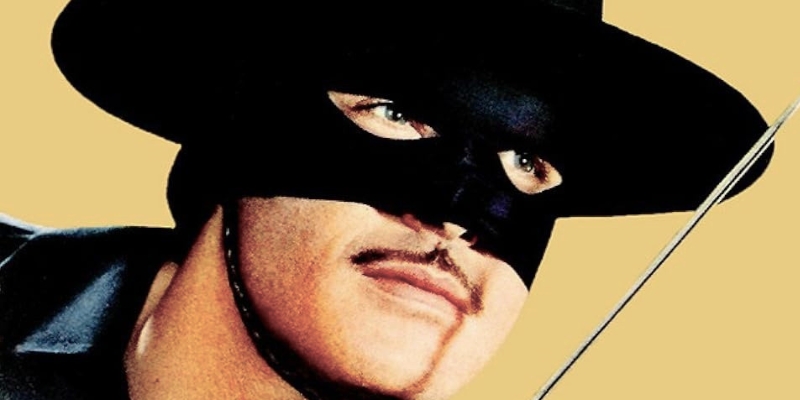
Batman wears a mask. So do Zorro and Darth Vader. All three of those characters embraced masks for very different reasons, and most of those motives still apply when a character in a suspense novel chooses to don a disguise.
In suspense novels, masks can be a story trope or a plot device. A scare tactic or a red herring. A way to up the tension, add drama, or simply delay the final twisty reveal and keep readers flipping pages in breathless anticipation of the moment the false facade slips away.
Masks are so intrinsically tied to suspense that we reference them in book descriptions as genre shorthand. Even if a character doesn’t wear a physical disguise in a story, the book’s write-up might reference a killer’s “unmasking.” Because as a culture, we’re intrigued by the idea that darkness walks among us. We take satisfaction from peeling away the camouflaging layer to divulge what lies beneath.
*
Hide Identity

Mary Kubica, She’s Not Sorry
Sometimes the masked character is a misdirect that ups the tension and is not necessarily the focal point of the novel. Or so it seems.
In She’s Not Sorry by Mary Kubica there is an intersection of two tales, that of single mother Megan Michaels who is a nurse, and Caitlin Beckett her patient on life support in the ICU. As the reader follows Megan’s point of view, learning more about both characters’ lives, the story is complicated by a masked man following women home and assaulting them in the neighborhood where Megan and her daughter live.
Is the masked character a red herring? Or someone who demands more reader attention? The mask hiding the character’s identity ups suspense and ensures the plotline could go either way.
*
Nuanced Clue

Lisa Jewell, Invisible Girl
Lisa Jewell incorporates her masked character more deeply into the storyline, hiding a stalker-like figure behind dark clothing and a black balaclava so both her readers and story cast are left wondering who lurks beneath. The protagonist originally—mistakenly—identifies another character as the perpetrator, and the mask device allows us to linger in the suspenseful question of guilt all the longer.
When the protagonist finds the physical mask in a different character’s possession, however, the mystery moves in a different direction. Even so, Jewell leverages the mask further by leaving the reader with new questions. Does it belong to the person who owned the bag where the mask was found? Or did the owner of the bag obtain it from someone else? The mask both hides an identity and serves as a tantalizing clue.
*
Convey a Persona

Jeffery Deaver, The Midnight Lock
Then there are the masks carefully crafted to convey a certain persona. In Deaver’s The Midnight Lock, the antagonist constructs an elaborate “disguise by reputation” rather than wearing a physical concealment. The character known as “The Locksmith” commits a trail of crimes and leaves a signature note at each scene, building an intimidating reputation.
The clues left by The Locksmith all contribute to the villain’s mask, culminating in a persona that is a genius with locks, choosing “impregnable” homes to break into and relocking the doors afterward in an almost ghostly crime. Hero Lincoln Rhyme must deconstruct the evidence for the final, shocking unmasking.
Portray a Character

Stephen King, It
A particular mask might be chosen to tap into a feeling or emotion, the way commedia dell ‘arte in sixteenth-century Italy leaned on masks in live performances to telegraph distinct character types.
In King’s It, the Pennywise the Dancing Clown persona does more than hide an identity. The mask creates a false front that lures victims with a disguise associated with harmless entertainment and friendliness, all while exploiting trust.
*
Hidden to All But You

Laura Dave, The Last Thing He Told Me
In Dave’s The Last Thing He Told Me, a character appears in disguise at the end of the novel. His mask is so convincing, in fact, that the person who loves him best needs a beat to recognize him beneath the changes wrought to his hair, weight, and general appearance.
Like the Japanese custom of wabi-sabi that leaves an imperfection in a work of art, the character deliberately leaves on his wedding ring so that his mask is incomplete, his disguise “flawed.” He makes this choice so that he could be recognized by the only person to whom he wishes to reveal his presence—his wife. As a suspense device, this kind of mask gave the story a tool for a sequel, a moment of hope and excitement that the plot would continue.
*
Social Disguise

Claire McGowan, What You Did
No psychological thriller is complete without the most common mask we see in suspense stories—that of the charming social façade that hides a dark character. Claire McGowan uses this device to conceal her villain in plain sight when the protagonist’s best friend staggers in from the garden after a drunken house party, claiming that the heroine’s husband assaulted her.
Who to believe—the problematic “best” friend with a complicated history? Or the father of her children who has never given her cause for concern in their marriage? Sometimes the social masks donned by suspense characters are the most difficult to see through.
***


Joanne Rock
Joanne Rock is a USA Today bestselling author of popular fiction in a variety of genres, including The Last Book Club. A frequent speaker at regional and national writing conferences, she enjoys giving back to the writing community that nurtured and inspired her early career. She has a master's degree in literature from the University of Louisville and has taught fiction, film, and writing at the college level. A voracious reader from a young age, Joanne keeps her vintage Nancy Drew collection in a place of honor on her bookshelves. When she's not writing, Joanne enjoys traveling to gather new ideas.