Chess, Hacking, and More: Jason M. Hough on Writing Protagonists with Niche Skills
The author of Throw Away the Key explores characters who excel in unexpected areas
In the 2008 film Taken, Liam Neeson famously explains to his enemy that he’s a man with a particular set of skills, which of course turns out to mean he’s a total bad-ass and the villains messed with the wrong guy. In thrillers, this sort of superhero-level of capability is quite common. James Bond, as perhaps the most obvious example, seems to be an expert at just about everything and, even when he isn’t, a few words of instruction are enough to see him through.
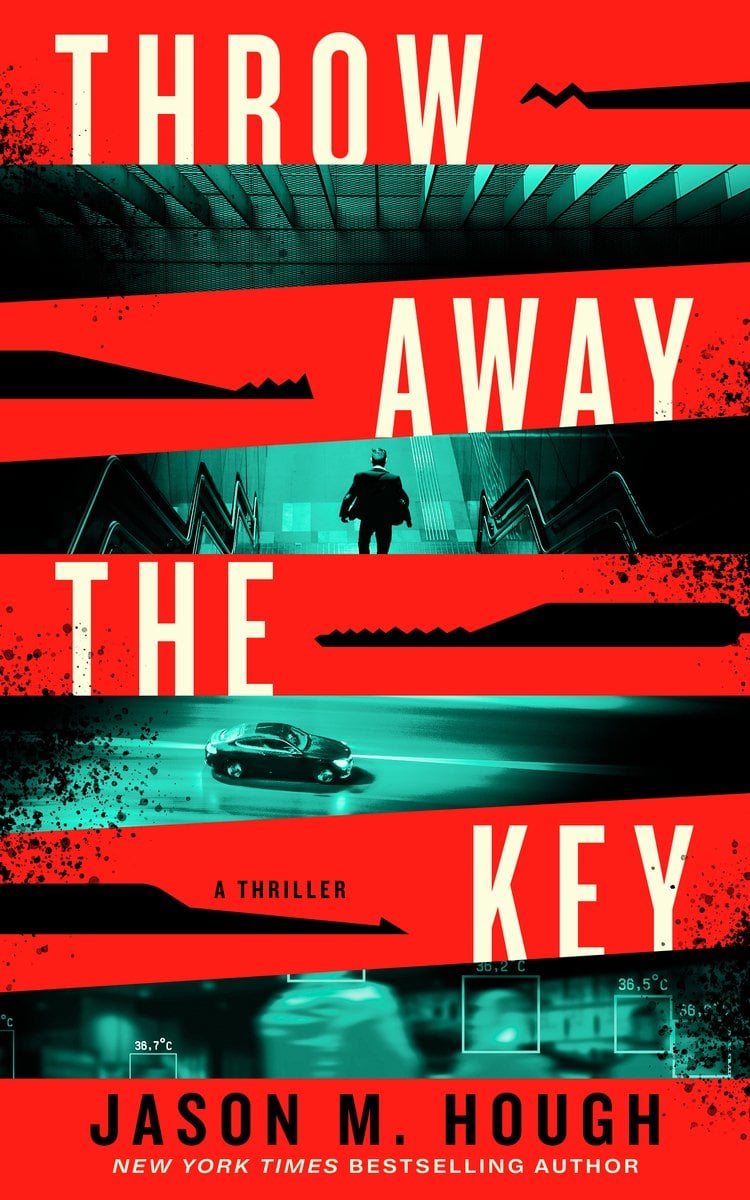
While writing my new thriller, Throw Away the Key, I spent a lot of time thinking about main characters who are in the opposite camp. Highly skilled in one niche area, while perhaps only average (or even worse) at just about everything else.
My main character, Lars Bergman, is a locksmith toiling in relative obscurity in the janitorial department at CIA headquarters. When it comes to locks and safes, he’s the best there is, but otherwise he possesses few of the qualities of the typical espionage-thriller hero. He’s on cruise control hurtling towards retirement, he could care less about the intrigues going on all around him in Langley, and his acumen in social situations is rusty to say the least.
I’ve always found this dynamic fascinating, so I thought I’d explore a few other examples here.
*
Skill: Art Restoration
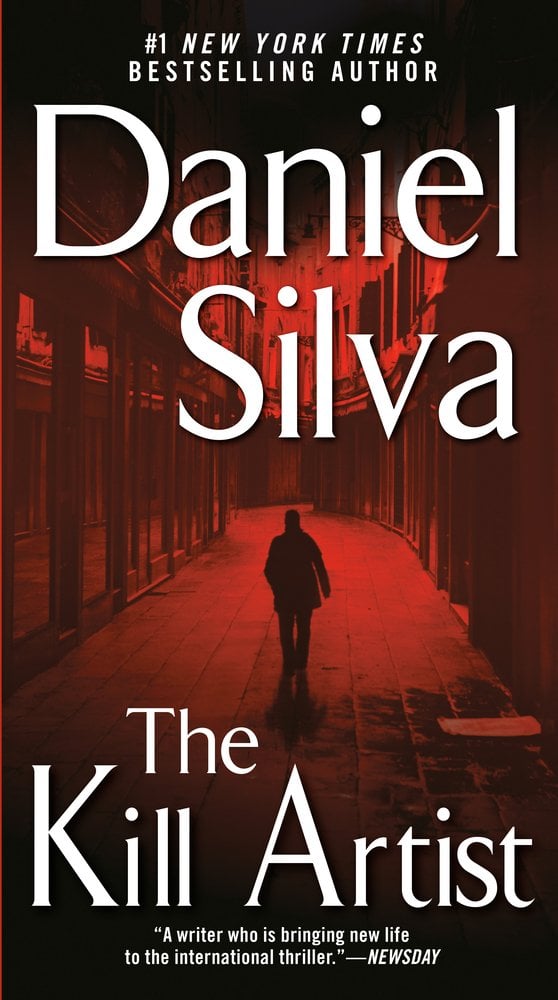
Gabriel Allon, The Gabriel Allon series
Well into Daniel Silva’s long running spy series, his protagonist Allon trains for several years in art restoration as a means of building a cover identity that can take him just about anywhere in the world legitimately. Though the actual skill is not deployed directly in the field (at least, not right away…more on that soon), it is integral to Allon’s legend, giving him the ability to travel as well as mingle in important circles, both of which are key to his real work as a spy and assassin.
Silva’s hero, however, later retires from his life of working for the Office, and settles down in Venice to work solely on art restoration. It is here in the novel Portrait of an Unknown Woman that his skill in this field becomes not just scaffolding for his cover identity but an actual expertise that is deployed to discovery a forgery, becoming the centerpiece to a dazzling cat-and-mouse story.
Even before Portrait, though, what really struck me in reading these books was how the acquisition of such a skill so brilliantly added another dimension to an already fascinating protagonist.
Skill: Computer Hacking

Elliot Alderson, Mr. Robot
In some ways, Elliot from Mr. Robot is an extreme example of this kind of protagonist. His niche skill is hacking, though I think you could make the case that his actual niche skill is a keen perceptiveness when it comes to human behavior patterns, which is what allows him to hack his targets so successfully. But that’s a topic for another post someday.
Elliot’s hacking skills are very niche and absolutely elite, but in every other aspect of his life he’s a deeply troubled, drug-addicted, unstable man whose ability to get through any social interaction is far from guaranteed. It’s not that he’s just not good at any other skill, he’s actively at a disadvantage in any situation he’s not controlling from his keyboard. All of which, in my opinion, makes him fascinating as a main character. We can sit and marvel at his technical wizardry, but more than that, we can root for him to simply get through everything else his life throws at him.
The series is a shining example of a well-written character whose niche skill is portrayed with a high amount of accuracy, a feat all the more impressive given it’s a television show rather than a novel. In film and TV, we are so often treated to some buzzword salad when a character with a niche skill is talking about their craft—just enough to give things an air of believability. The effort put into using realistic jargon and scenarios when it came to Elliot’s hacking helped elevate the rest of the show to its lofty height, something that I tried to achieve in my novel when it came to lockpicking.
Skill: Detective
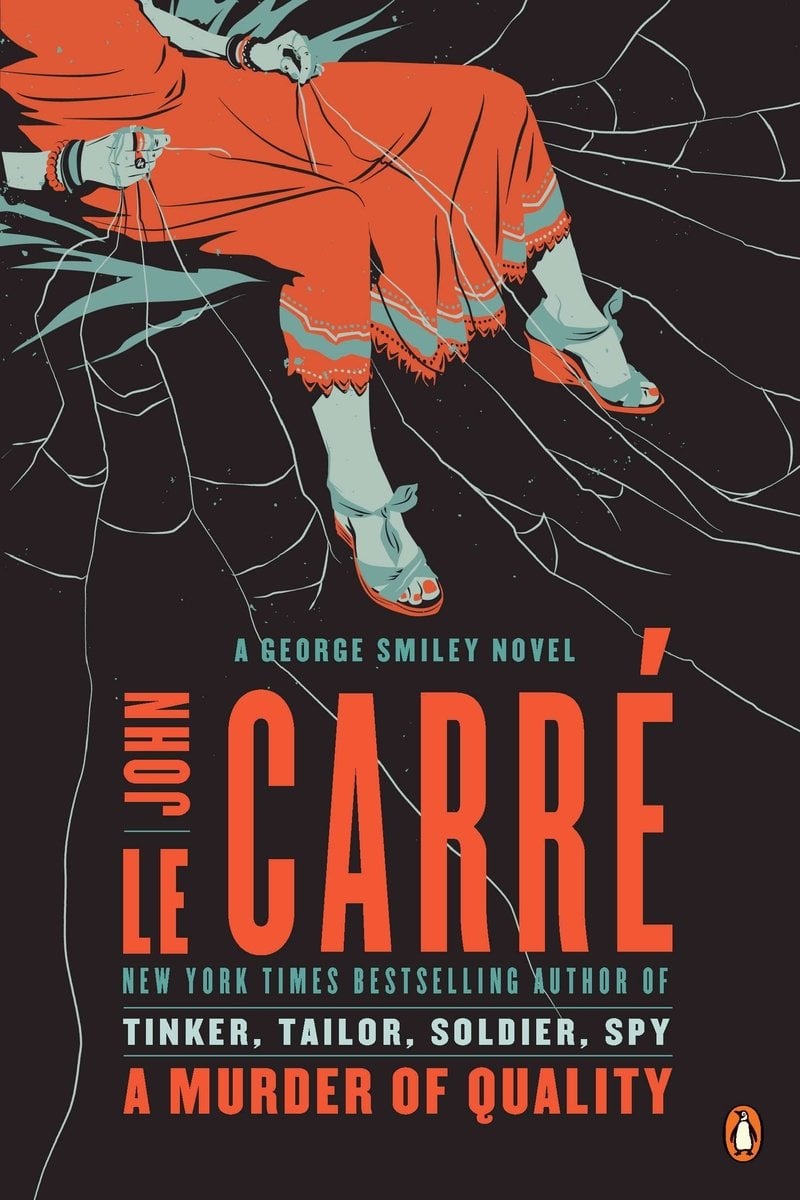
George Smiley, A Murder of Quality
It was John Le Carre’s autobiography The Pigeon Tunnel that gave me the original spark of the idea that became my latest novel, but the book also inspired me to go back and re-read the George Smiley books. I’m a bit ashamed to admit I thought this series started with Tinker Tailor Soldier Spy, but I soon realized the actual first book in the series is Call For the Dead.
What surprised me more, though, was that there was another Smiley book before Tinker Tailor called A Murder of Quality, and when I read it the biggest surprise came: It wasn’t a spy novel at all, but a murder mystery.
While I was familiar with Smiley as a versatile, old-world spy (in the classic sense, not the James-Bond-Superhero sense), A Murder of Quality takes quite a different route and places him in the role of detective, unofficially at least. In a fascinating way, all of his various skills involving tradecraft, surveillance, and dark political intrigue, all sort of recede into the background only to resurface as the simple niche skill of understanding people.
I love the way all of his experience and training in espionage sort of pools together into something new, allowing him to pick his way through a complex murder plot through his ability to ‘read the room’. It’s at the core of his tradecraft in the later Smiley novels, but here, when stripped of all the espionage facets, this hidden niche skill really shines through.
Skill: Chess
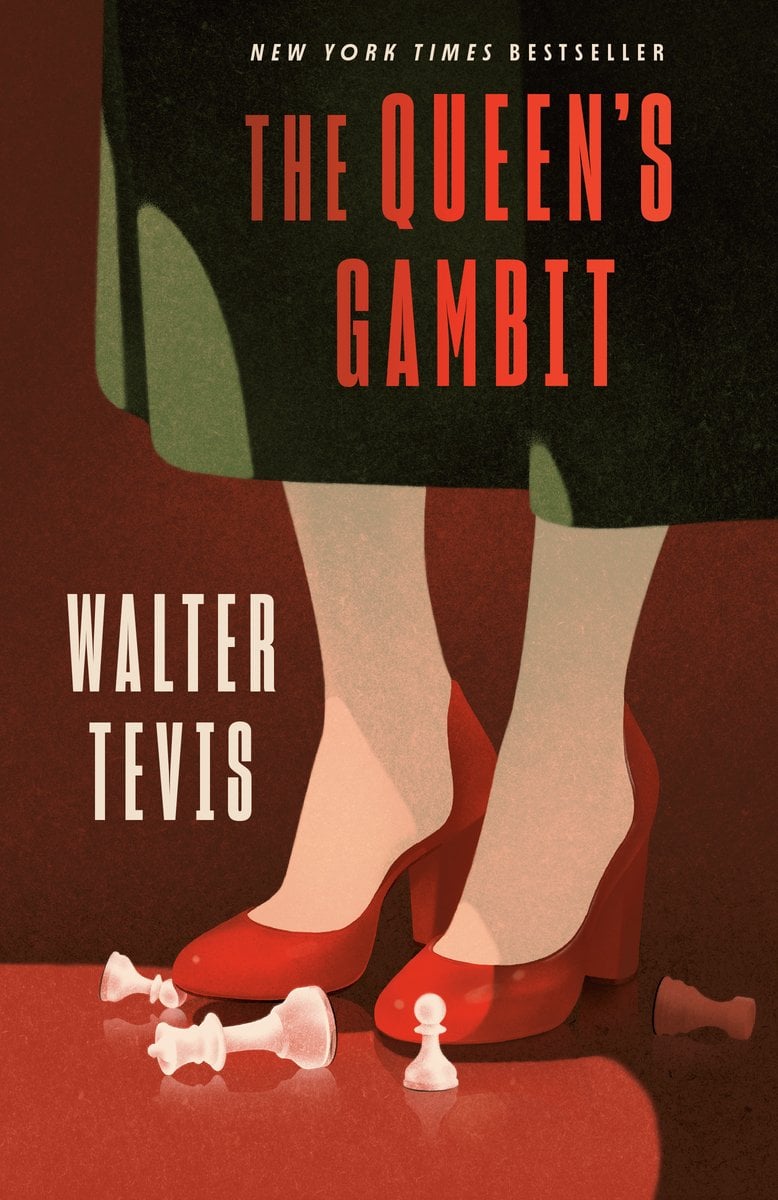
Beth Harmon, The Queen’s Gambit
Alright, I am straying a bit from the thriller genre here, but I think it’s okay. In both the 1983 novel and the 2020 Netflix series, we are drawn into the world of high-level chess through young prodigy Beth. Her niche skill is masterful playing of the game, of course, with all the wonderful complexity and strategy that comes with it. Like Mr. Robot, I find the high level of accuracy and respect afforded the skill in question very admirable and inspiring, as both a writer and a reader.
The Queen’s Gambit uses chess, and Beth’s incredible skill, as the main driver for the plot, but the story is greatly elevated by the exploration of Beth’s addictions and her struggles to cope with them while still pursuing her goals as a chess player. If there’s a theme to these examples, it is this propensity for niche-skill protagonists to be so flawed in other aspects of their lives.
*
Many years ago, while working in video games, my boss Ed Zobrist made a simple observation that has stuck with me ever since. He said, “We like stories about people who are incredibly good at what they do.” It seems obvious of course, but still, when stated so bluntly to me at an impressionable age, it resonated strongly, and remains something I think about often when brainstorming my own characters and stories.
I’ve left out countless examples of protagonists with niche skills, but one of the nice things about a limited word count essay means I can ask you all to help keep the conversation going. Please comment below with other examples, I’d love to hear them (and add a load of great new things to read to my list!).
***

Jason M. Hough
Jason M. Hough is the New York Times bestselling author of The Dire Earth Cycle and the near-future spy thriller Zero World, and is a proud member of SFWA (Science Fiction and Fantasy Writers of America) and ITW (International Thriller Writers). When not writing, reading, or playing with his kids, he spends his time exploring virtual reality or trying to coax his 3D printer into doing something useful. He lives near Seattle, Washington with his wife, two sons, and a dog named Missbuster. His new novel, Instinct, is now available.