
Araminta Hall's 8 Favorite Novels Featuring Unreliable Narrators
The author of Unreliable Narrator recommends Patricia Highsmith, Zoe Heller, and others
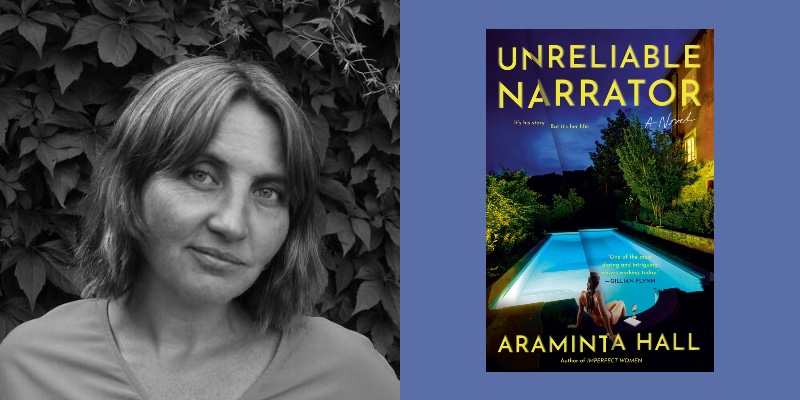
Calling my latest novel Unreliable Narrator is very meta because an unreliable narrator is probably the most loved trope used by thriller writers. In fact, it’s probably the most loved trope of every writer. And the reason for this is because it is also one of the most human conditions. We all see the same things differently and, to some extent, we all lie to ourselves about who we are. Unreliable narrators are perennially fascinating because they lay bare the tension between who we think we are and who we actually are.
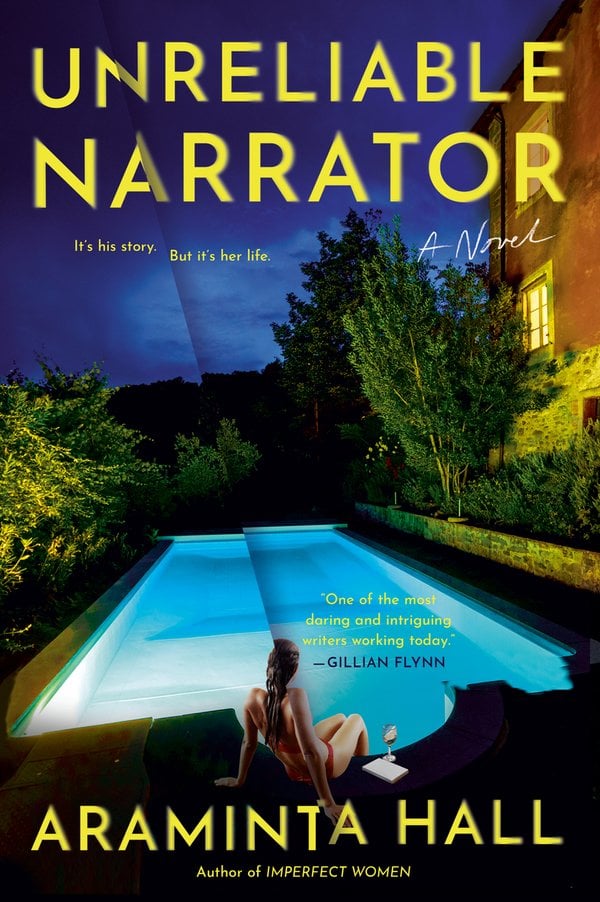
My novel explores this idea through Hope, who discovers that the worst thing she ever did has been turned into a best-selling book by the celebrated novelist Ambrose Glencourt. Ten years before, Hope worked as Ambrose’s assistant, living at his glamourous ancestral home, Shadowlands in the middle of the British countryside. Wanting to be a novelist herself she documented all the events of that hot, heady summer in a journal.
It is clearly the work of a young woman seduced by this world of bohemian privilege, ambitious for herself and her life. Except now Ambrose has turned her life into a work of fiction and his account is very different to hers. As Hope tries to work out what actually happened, she has to confront the fallibility of her memory, the strength of her desires and her relationship with the truth.
My favorite books all have an unreliable narrator at their heart and, whilst I could probably give you a list that was about five-hundred books long, I have reluctantly cut it down to my top eight.
*
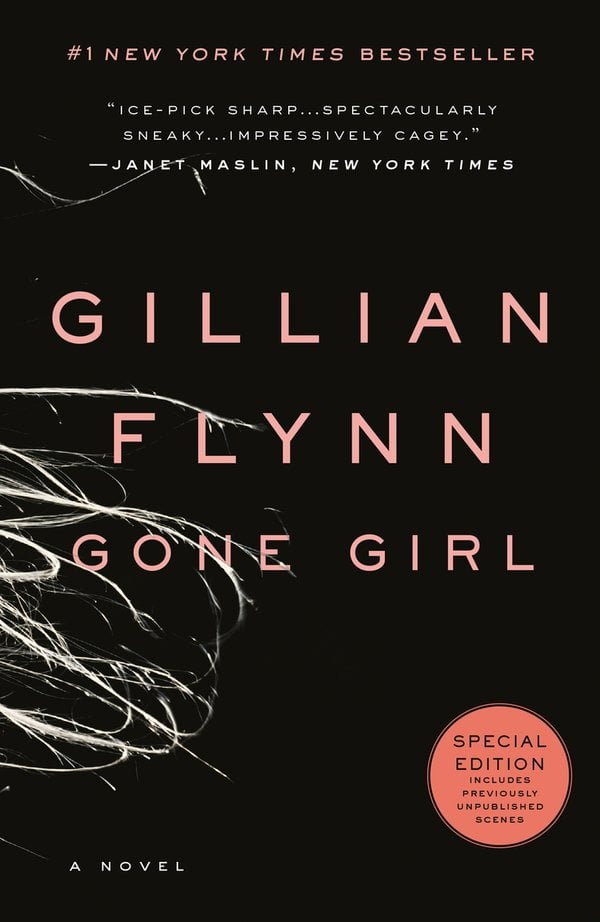
Gillian Flynn, Gone Girl
Probably the first book everyone thinks of when you say the words unreliable narrator, but that’s because this is a master-class in self-deluded characters. Both the main protagonists, married couple Amy and Nick, are chronically unreliably, not just to the outside world, but also to themselves.
Nick especially is a simply genius invention, a guy who believes so totally in his own suffering and righteousness that he fails to recognize the part he has played in his wife’s disappearance.
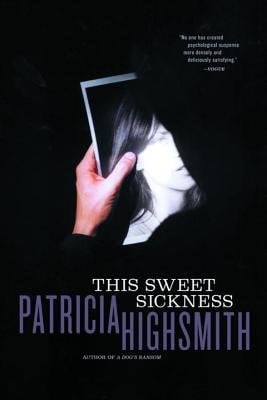
Patricia Highsmith, This Sweet Sickness
A brilliantly claustrophobic novel told in the first person by David Kelsey, who just knows that married Annabelle will fall in love with him if he can only get her to understand how they have to be together. All he has to do is get her to the secluded cabin he keeps especially for her. Full of secret obsessions and nail-biting tension, this is ultimately a story about belief versus reality.
Vladimir Nabokov, Lolita
Humbert Humbert is one of the most disturbing narrators of any novel ever written. Convinced that fourteen year old Lolita is flirting with him, he sets about seducing her, justifying everything he does, which includes the rape of a child, behind the strength of his feelings for her, which he calls love. It could be argued that Nabokov’s writing is too brilliant, because the word Lolita has come to mean a female temptress, which is the exact opposite of what he intended.
One of the most exacting and compelling reading experiences you’ll ever have.
Zoe Heller, Notes on a Scandal
Barbara tells the reader she just wants everyone to know that her good friend Sheba isn’t the person the press are portraying her to be, after her affair with a fifteen year old pupil at the school where they both worked. But Barbara’s defense of her friend ends up revealing much more about Barbara and her motivations than she intended.
This novel is so brilliantly observed and Barbara is such a masterclass in self-delusion, the ending feels truly shocking.
Emily Bronte, Wuthering Heights
Emily Bronte made a very interesting choice when choosing the narrators of this novel and it has always felt like one of the most important aspects of the story to me. Cathy’s servant Nelly Dean tells the story, but it is written down by Mr Lockwood who is renting the house where Cathy once lived. Both arrive with their own biases, Nelly because she was once from the same class as Cathy and then became her servant, and Lockwood, who feels outside the long established families who rule this part of the Yorkshire moors.
The layers of unreliability run throughout, Nelly often not hearing or knowing everything that happened between Cathy and Heathcliffe and Lockwood often interpreting. And the brilliance of this lies in the fact that Wuthering Heights is a novel about being an outsider, so who better to tell it than two outsiders with their own scores to settle, just like Heathcliff.
Kazuo Ishiguro, The Remains of the Day
Another outsider, proving what fertile ground they provide when creating unreliable narrators because they are not just navigating their own selves, but trying to understand an unfamiliar world which can lead to misunderstanding.
In this masterpiece, Stevens is about to retire after three decades working as a butler for Lord Darlington. He has always believed that by serving this ‘great gentleman’ he has done his duty and had a good life. But as he looks back he has to ask himself whether his personal sacrifice has been worth it and just how great Lord Darlington actually is.
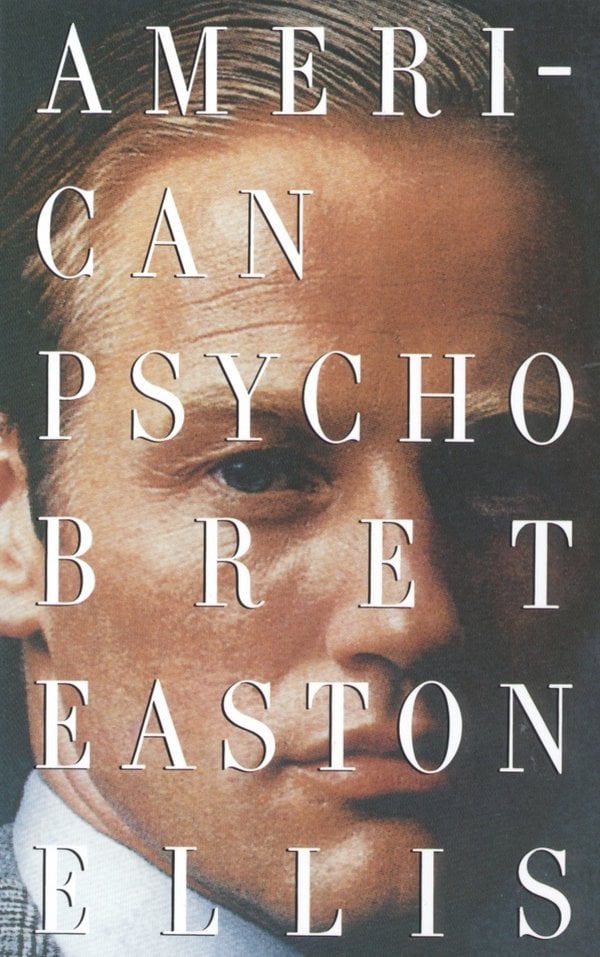
Brett Easton Ellis, American Psycho
Patrick Bateman does not think he’s unreliable. Nor does he shy away from the fact that he’s a murderer. But we work out very quickly that he is definitely delusional. The real tension in this novel lies in the reader trying to work out what Patrick has actually done and what is a figment of his imagination.
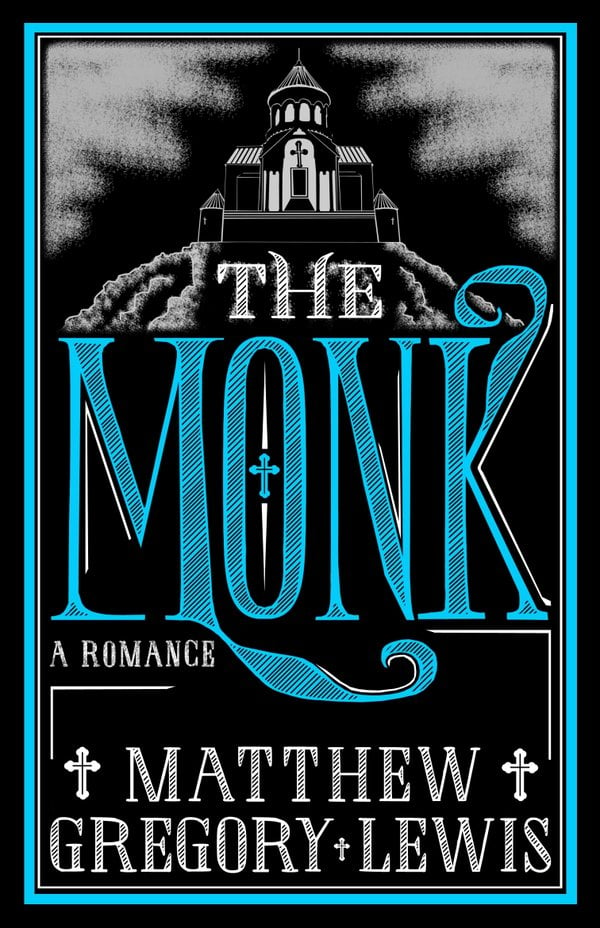
Matthew Lewis, The Monk
All gothic novels are fantastic examples of unreliable narrators, often because they use omniscient narrators, so the reader is always aware they are being told a biased story.
The Monk is my favorite gothic and centers around the downfall of Ambrosio, first seduced by a young woman dressed as a man and then spiraling into full on debauchery. Ambrosio is as self-deluded as he is evil and his mental unravelling as he works out who he really is, makes for a heart-stopping read.
***

Araminta Hall
Araminta Hall is the author of Everything and Nothing and Our Kind of Cruelty. She has an MA in creative writing and authorship from the University of Sussex, and teaches creative writing at New Writing South in Brighton, where she lives with her husband and three children. Her latest book, Imperfect Women, is now available from MCD.