
Zelly Ruskin on Gaslighting, Relationships, and Psychological Suspense
Exploring the promise of writing thrillers for processing intense emotions
The thrill of psychological suspense is in the familiar. Take, for example, that perfect couple living in the fabulous house with their brilliant children. On a typical day, in a typical world, we wouldn’t get to see their flaws or know their fears. Psychological suspense offers a window into those imperfections. It toys with a reader’s emotions so they don’t know whom to trust. And when, say, Prince Charming turns out to be a greedy, gaslighting narcissist or a twisted murderer, it’s hard to look away. It’s juicy.
On the page, it’s safe and could never happen in real life. Could it?
People often use the word gaslighting lightly these days. Tossing it out as a catchphrase whenever someone says something untrue or has a different perspective. But gaslighting is not a minor act. When a controlling or dominating person in a relationship demeans and manipulates the other until their reality blurs, it’s abusive without leaving visible bruises.
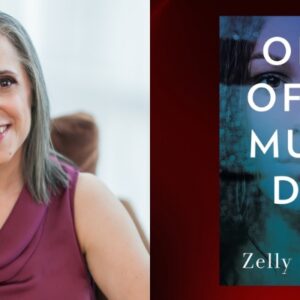
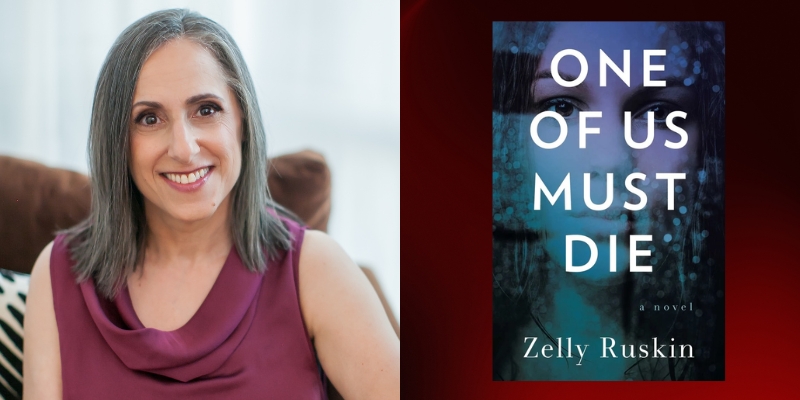
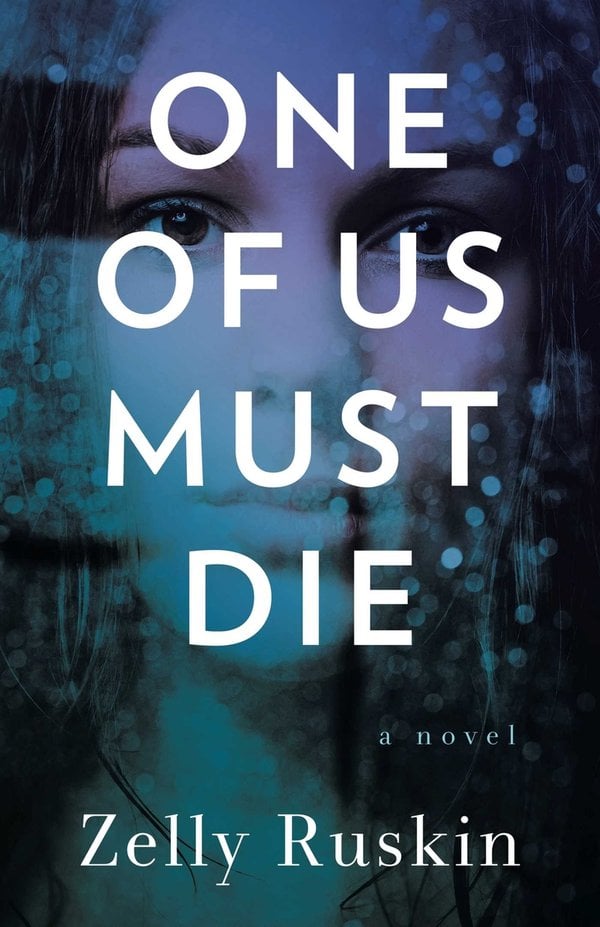
What if we discovered our spouse or partner was never who we thought they were? If the love and loyalty that made up the foundation of our relationship didn’t exist? Would we be frightened? When we realize we’ve been gaslit, how will we escape? What if the only way out was if one of us died? The essence of these principles became the novel One of Us Must Die.
Becoming a psychological suspense author was as much of a surprise to me as it would have been to my high school English teacher. Publishing a book wasn’t my lifelong dream. When I started writing, it was an outlet, a vehicle to uncovering the mystery of why my marriage was crumbling, to dissect it and find how I’d ended up there.
Were there breadcrumbs and clues laid out over the years that I’d missed or ignored? Was there something inherently wrong with me that led to this outcome? Why wasn’t love enough? Through it all, I couldn’t ignore the drive to create something entertaining and meaningful, a tribute to those women who deeply desired love and thought they had it—a story to remind them they are not alone and that resilience and renewal are within reach.
The seed of One of Us Must Die came from that undeniable moment of heart-searing betrayal and the deep, raw desire to do harm, to make my partner hurt as I was hurting. The ease with which I could have slipped into darkness left my heart racing for days.
Both women and men, once strong and independent, lose themselves to a controlling partner or spouse. Even in a world of privilege, in their desire for romance, love, and loyalty, a talented, well-educated, intelligent person can be fooled. Like my character Sterling, many of us think we have the perfect family and the love of our life until our husbands blindside us. It’s horrific for those who live through it in real life, but in fiction it’s irresistible.
We all love a story where a character is about to step on live wires. We beg them to stop, but they can’t hear us.
For Sterling Richardson in One of Us Must Die, we see the inevitable evolution of a smart, compassionate woman falling into this trap, taking a path that was set for her long before she meets her wonderful husband, Keith. No matter how she ended up there, it’s a helpless place from all angles.
Resigned to creating the illusion of a happy, enviable family for the sake of her children, she must act when the pretense is exposed. But how does one escape a pathological lying, serial cheating egoist? Like many women in her situation, Sterling has to grapple with the veracity of her morals and ethics, and how far she’d go to get what she wants.
I can not say I was married to a narcissist, or that they controlled or manipulated me. But I know what it’s like to have felt lost in a marriage.
Unable and unwilling to talk to friends about my marital situation, writing became my lifeline. The words I couldn’t share with others built into a tome of understanding and strength. It enabled me to take my power back.
After my divorce, I became a part of a club I’d never expected to join. I found a sisterhood of women betrayed in unexpected places. Their unquestioning support and resources were medicinal in my time of need.
What I didn’t see coming was the advice women sought from me. It was hard to understand why, since I had done nothing groundbreaking. I was focused and determined on one priority: my children’s welfare.
I did what I needed to. But these women who felt trapped in their own awful marriages found inspiration because the end of my marriage didn’t break me. It strengthened me, brought happiness, freedom, and revitalization. It didn’t mean I was emotionally unscathed, but I’d survived and survived well.
Despite my post-divorce resurgence, I remained haunted by that dark impulse: “I wish you harm.” It was more than a fleeting thought. It was an alarmingly intense, visceral emotion.
The feeling went beyond hatred. It begged for action. Had the object of my loathing been in sight, would the simmering impulse have remained controlled? Would the desire for revenge fester, become something diabolical and conniving? Did I have it in me to murder someone? That, perhaps, was the most devastating and frightening thought of all—what if I did?
Maybe we all have it in us. Good versus evil, angel versus devil, dark versus light, whatever label you slap on it, part of our makeup and behavior comes from which direction we consciously or subconsciously choose. And in the heat of the pain, the heartbreak, the anger, that choice hovered with the most intense clarity. Would I become a vindictive villain, or remain frustrated but morally grounded? As the familiar world disintegrated, the only thing left to control was this choice.
As someone fascinated by human behavior, that question of morality, and what it takes to cross it, became a guiding essence in creating One of Us Must Die. While this psychological suspense explores the lengths a woman trapped in an unhappy marriage will go to escape her greedy, gaslighting husband, the personal background for this novel comes from a deeper place. It’s way more than a marriage story written by a divorced author. And no offense to the narcissists out there, but this novel is not about you either.
Psychological suspense tinkers with a reader’s feelings and draws on the human fascination with tragedy. We can’t look away from a car wreck, or a couple having a fight in a restaurant. What if that were us? For me, it’s a need to understand what makes people the way they are, and to learn what dynamics in the tragic hero’s history set the stage for this moment. Maybe this curiosity is why readers and moviegoers love getting under the hood of bad marriages and gaslighting narcissists.
Lisa Jewell was brave to take a deep dive into the mind of a narcissist when writing her book Don’t Let Him In. I have huge respect for her ability to live with her despicable character. I couldn’t do it. Exacting fictional revenge is more my speed.
Writing fictional stories allows us to imagine different outcomes. We can change the direction of a conversation, make different choices, give agency to someone who had little in real life.
In psychological suspense, we can devise chilling characters who might do things we never would. In Sterling’s case, she’s closely guarding the illusion of a perfect family living a dream life. When the charade cracks and she can no longer mask her well-hidden, unsettling secrets about her marriage, the intrigue revs up.
As authors, we make our characters discover who they really are and what they are capable of. Will they take the frustrating but moral high road, or the deliciously enticing evil one?
My love for betrayal watching and secret-unraveling might stem from being a puzzle lover or from being an average person who hasn’t lived an average life. Every story I write begins with one of those incredible or bizarre moments.
In the future, I’ll keep using them to create true-to-life fictional suspense stories, finding new ways to test the strength of relationships, and trying to uncover why love is not enough. The original tidbits don’t always end up in the final version of a manuscript, but the fodder they’ve instigated is a thrill.
But the lingering and unanswerable question will always be—do we ever really know the people we love?
***

Zelly Ruskin
Zelly Ruskin is the award-winning author of Not Yours to Keep (She Writes Press, 2024) and One of Us Must Die (She Writes Press, 2026). She writes domestic suspense that explores the secrets families keep—and the resilience that carries them through. A former social worker and adoption consultant, Zelly is also a (sometimes) artist and a passionate volunteer for brain aneurysm awareness. When she’s not devising twisty plots, she’s likely traveling or hiking—where the next idea often finds her. She lives in New York City with her ridiculous doodle, Strudel.