10 Epistolary Thrillers That Let the Evidence Do the Talking
Eva Jurczyk recommends mysteries told in letters, emails, archives, and more
The delight of an epistolary novel is the feeling of reading something you shouldn’t. Letters, yes. But take a broad definition and include emails, court filings, news clippings, archives, and it gets even more delicious. Imagine riffling through the papers on someone’s desk when they aren’t looking. Imagine scrolling through someone’s texts when they’ve left their phone unlocked. Imagine piecing together a story based only on that evidence.
Every epistolary novel is a mystery. The characters tell the story themselves and the reader knows they’re not getting the whole truth.
In my new novel The Paris Files the reader gets only a set of police reports. They know we’re in Paris, they know there’s been a crime, but the rest must be unraveled. Which of the witnesses is trustworthy? What evidence are the interrogators concealing? The reader knows there’s information being held back and must work to uncover it. They’re not only reading a story, they’re a participant in it.
Every epistolary novel is a mystery, yet the form is most commonly used for the more tenderhearted genres. Love stories told through yearning letters, tales of self discovery and coming of age, you know the ones. I prefer my epistolary novels when real guts are being torn out, not just metaphorical ones.
Below are ten of my favorite thrillers that let the evidence do the talking.
*
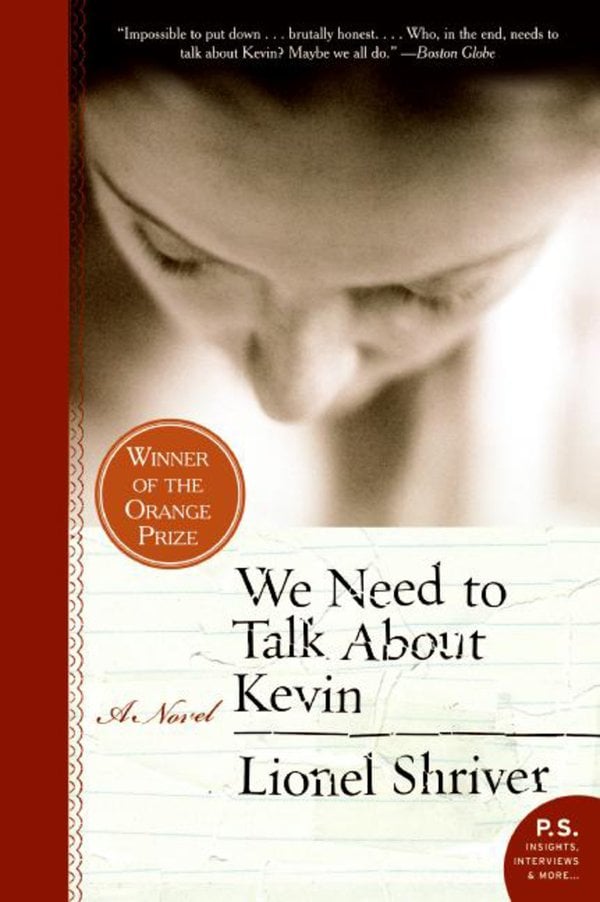
Lionel Shriver, We Need to Talk about Kevin
The book is sinister from the very first letter. Who is Franklin, the recipient of the letters? Why has someone broken every egg in the letter-writer’s carton at the grocery story?
The slow unravelling of the story of a mother’s attempt to understand her violent son is unsettling in its intimacy. This novel was adapted into an excellent film but the magic in the text is the spiral of reveals. Only the narration via letters allows for that.

Graham Rawle, Diary of an Amateur Photographer
Designed and packaged to look like a scrapbook, this book follows a young man who joins a camera club and stumbles upon an unsettling photograph and newspaper clipping, depicting an unknown murder victim. Gripped by an obsession with the woman in the photo, the young photographer documents his attempts to learn what happened to her.
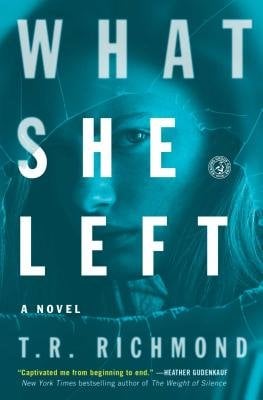
T.R. Richmond, What She Left
It might not seem novel now to tell a story using a disappeared person’s digital footprint. The excellent 2018 film Searching uses this premise.
But it was groundbreaking in 2011 when What She Left, a book about a disappeared young journalist and the professor who goes looking for her was first published. Using the victim’s text messages, diaries, emails, and social media posts, the professor (and the reader) piece together the victim’s life.
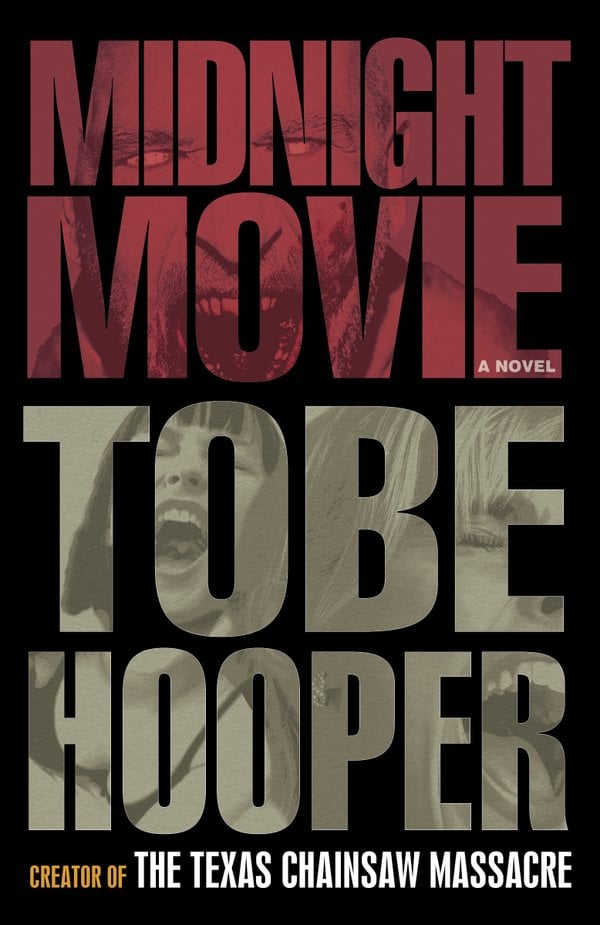
Tobe Hooper, Midnight Movie
Okay, this is a horror novel, but that counts as a thriller. Written by the director of the Texas Chainsaw Massacre it’s a collection of chats, emails and blog posts about a lost horror movie that the narrator made as a teen. It’s on the experimental end of the epistolary form—zany, sometimes confusing, but a hell of a fun read.
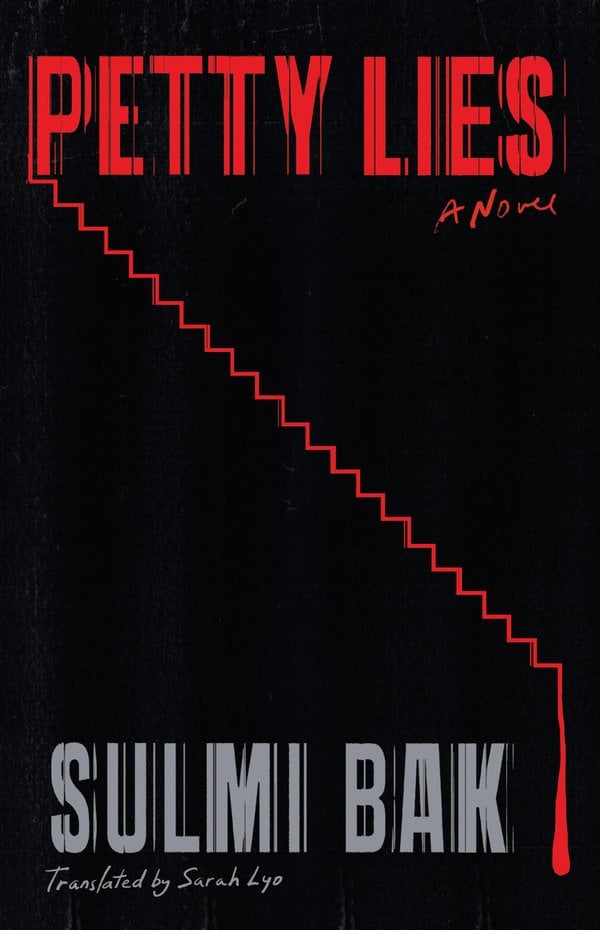
Sulmi Bak, Petty Lies (trans. Sarah Leo)
Readers have compared this book to We Need to Talk About Kevin since it’s about the rearing of a child psychopath, but it’s wholly original. It has rich people and terrible children and (warning) animal cruelty, all packaged in four interlocking letters.
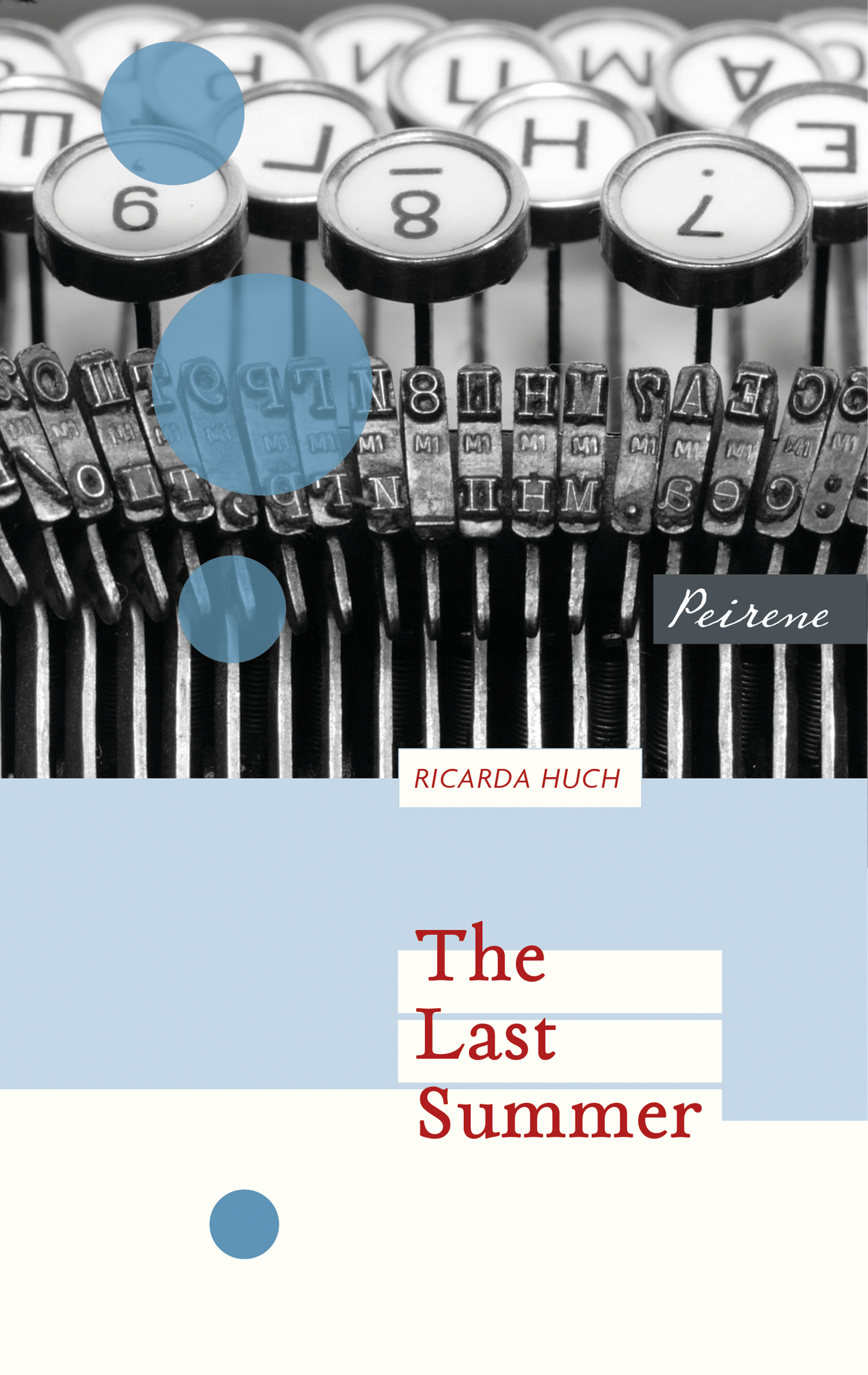
Ricarda Huch, The Last Summer (trans. Jamie Bulloch)
This slim little novella is about the governor of St. Petersburg and the young bodyguard he employs. The story unfolds via letters between the five main characters as we learn the governor is receiving death threats and the bodyguard is not who he seems.
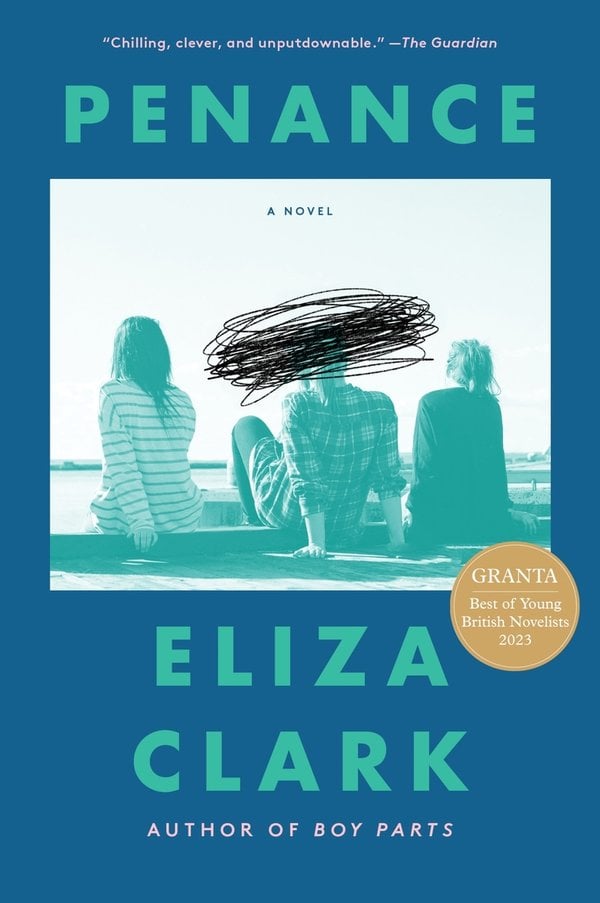
Eliza Clark, Penance
This book within a book uses interviews, historical research, and correspondence to investigate the murder of a sixteen-year old in a seaside town in North Yorkshire. The killers are teenagers, the journalist doing the investigating is an unreliable voyeur and the perspective on true crime will make you feel icky about those murder podcasts you love.
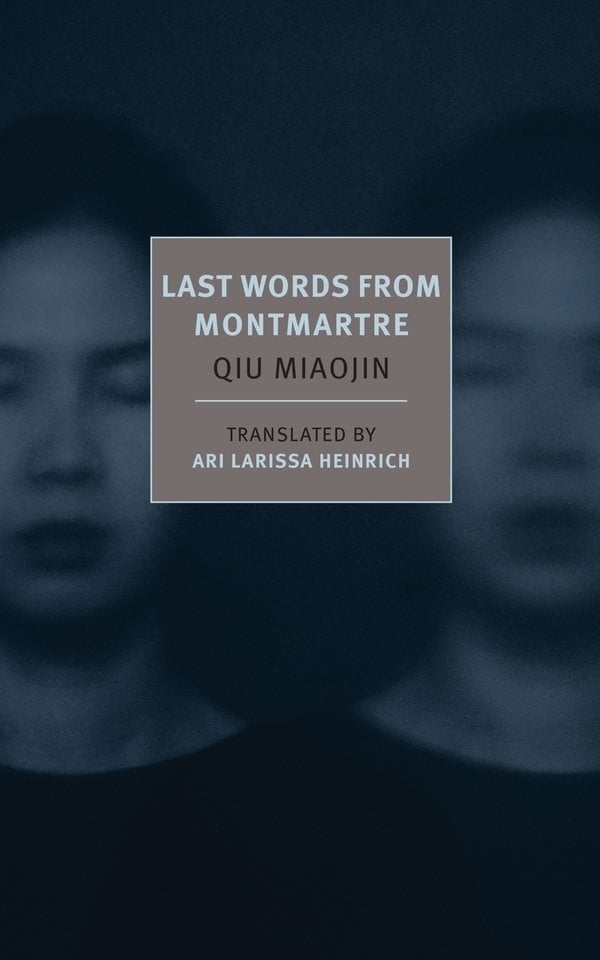
Qiu Miaojin, Last Words from Montmartre (trans. Ari Larissa Heinrich)
Written as 20 letters and set between Paris, Taipei, and Tokyo, it’s the story of a relationship and breakdown of two young women that is as much a contemplation of grief and unrequited love as it is a psychological thriller.
The Taiwanese novelist took her own life in 1995 at the age of 26, and Last Words from Montmartre was the legacy she left behind.
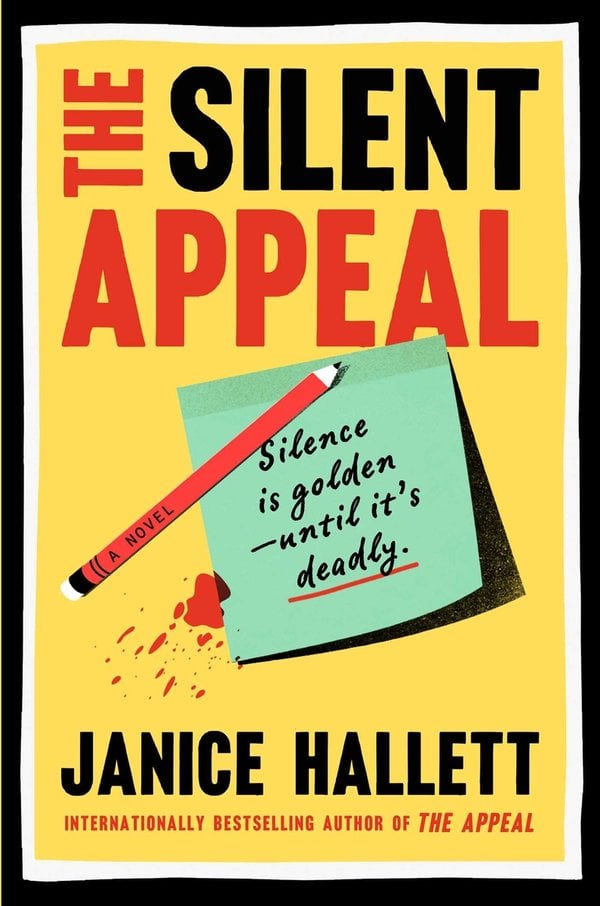
Janice Hallet, The Appeal
The first in a series of novels about the Fairway Players, a local theatre group, The Appeal uses emails, text messages and legal documents as two law students review the case of a shocking murder to reveal if the right person is behind bars. Hallet makes excellent use of the form, hiding from the reader not only the identity of the killer, but even the victim.
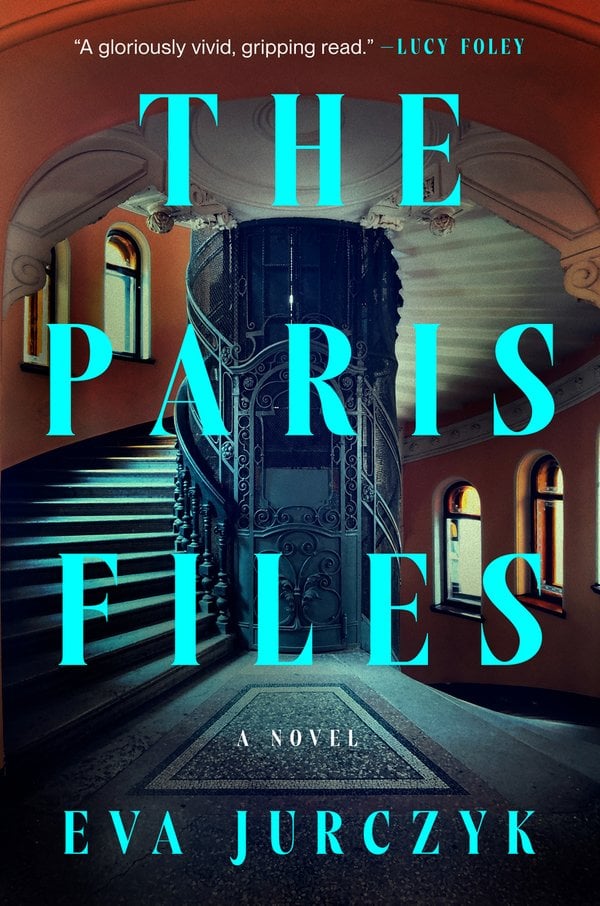
Eva Jurczyk, The Paris Files
Two lovers meet in Paris for a brief but all-consuming affair. The morning they’re to leave and start their new lives together, one of them disappears. Told entirely through police reports, the witness testimony of the couple’s Parisian neighbors calls the love story into question.
Every witness might be lying, and with nothing but the police reports telling the story, the reader must decide which version of the story to believe.
***

Eva Jurczyk
Eva Jurczyk was born in Katowice, Poland and wound up halfway around the world in a Canadian city that often masquerades as New York in the movies. As her day job, she buys books, building library collections for the University of Toronto Libraries, and by night she writes mystery novels, including The Paris Files and the bestselling 6:40 to Montreal. She lives in Toronto with her husband and son.