5 Dark and Speculative Adaptations of Peter Pan
Cynthia Pelayo recommends Christina Henry, Jodi Lynn Anderson, and more
J.M. Barrie’s Peter and Wendy contains one of the most unsettling lines in children’s literature: “The boys on the island vary, of course, in numbers, according as they get killed and so on; and when they seem to be growing up, which is against the rules, Peter thins them out.”
I stopped cold at that line. Thins them out.
Had that always been there? Yes, it had. Sitting there calmly waiting for someone to notice it since 1911. It took over a century, but many writers have surely noticed, and with great clarity. Many of these authors have thus recast Neverland, reshaping it from a child’s paradise into a trap.
Below are five dark speculative adaptations of the story of Peter Pan that takes the dread already embedded in Barrie’s original and pulls it into full view. In these stories below, the boy who would never grow up is seen not as hero, but a monster.
*
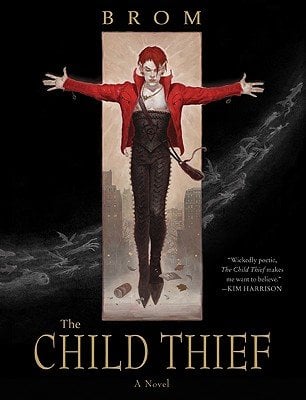
Brom, The Child Thief
Dark Fantasy / Horror
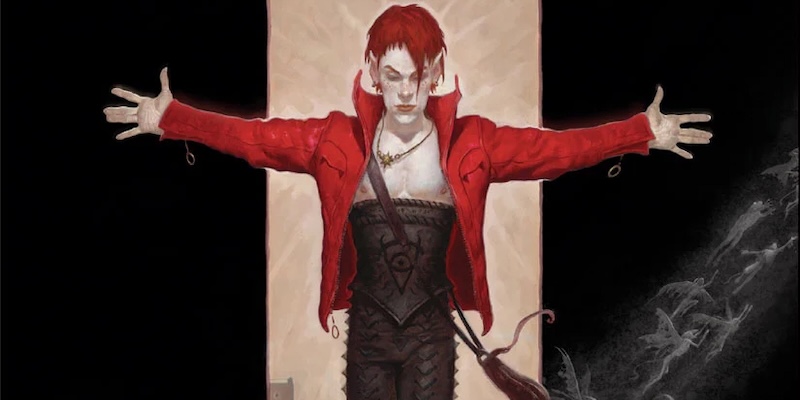
Brom’s retelling is one of the most ferocious reimagining’s of Peter Pan yet. This Peter is portrayed as a creature with auburn hair, golden eyes, and pointed ears who prowls modern-day New York City searching for desperate and neglected children to recruit for a war that has been raging for centuries. Brom replaces Neverland with Avalon and draws heavily from Celtic and Norse mythology.
The Lost Boys in Brom’s adaptation are called Devils, and we follow their story from fleeing abuse to walking into a nightmare. Peter Pan in this tale is both rescuer and predator, and the blurring of the two is certainly what makes this novel chilling.
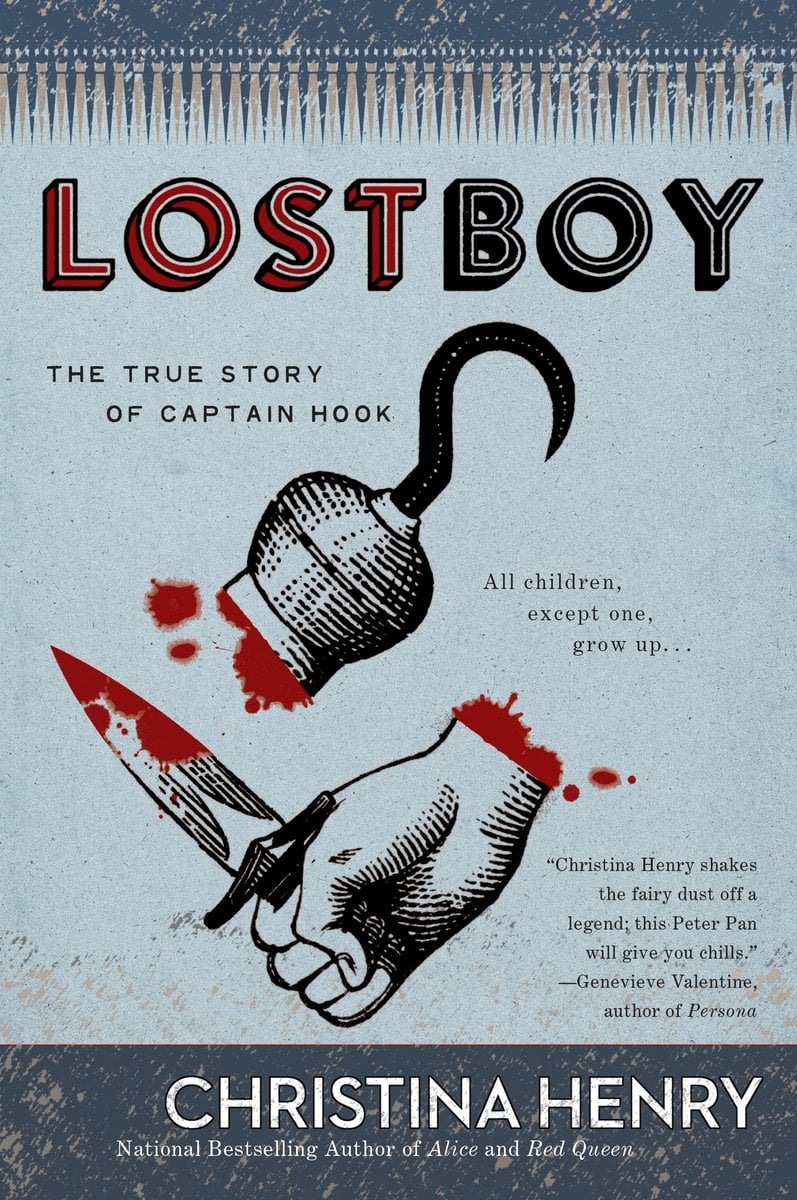
Christina Henry, Lost Boy: The True Story of Captain Hook
Dark Fantasy/Horror
Christina Henry tells the Peter Pan story from the perspective of Jamie, Peter’s first and favorite Lost Boy. In doing so, Henry reframes the entire mythology. Jamie has cared for the younger boys for what feels like forever while Peter plays. It’s also Jaime who is tasked with burying the ones who die on Neverland. Slowly, he begins to see Peter for what he really is, not a true friend, but a monster who views the boys as disposable.
Henry’s Peter is childlike in the most terrifying way. He is incapable of empathy, grief, and of simply being able to understand why anyone would want to mourn a boy who can be replaced by a new one. By the end of the novel, Jamie’s transformation reframes the entire Peter Pan myth, giving us not a simple villain origin story, but a tale of moral clarity that will leave readers gasping at the end.
Jodi Lynn Anderson, Tiger Lily
YA / Literary Fantasy
Anderson’s novel tells the story of Tiger Lily, a strong, but solitary girl of the Sky Eater tribe who falls in love with Peter Pan. This is a quieter adaptation, but still the darkness run deep. In Anderson’s Neverland, people grow old and die. Although in this version, we are exposed to a thread of colonial violence that is hinted at in the arrival of Wendy Darling and the English world she represents. Peter’s refusal to grow up in this tale is positioned more so as a psychological wound instead of some fantastical gift.
Tiger Lily is a character J.M. Barrie never fully realized in his story, but Anderson takes up that task and gives us a girl with her own interior life. This novel is devastating in its restraint, and Anderson’s prose carries a melancholy that lingers long after the final page.
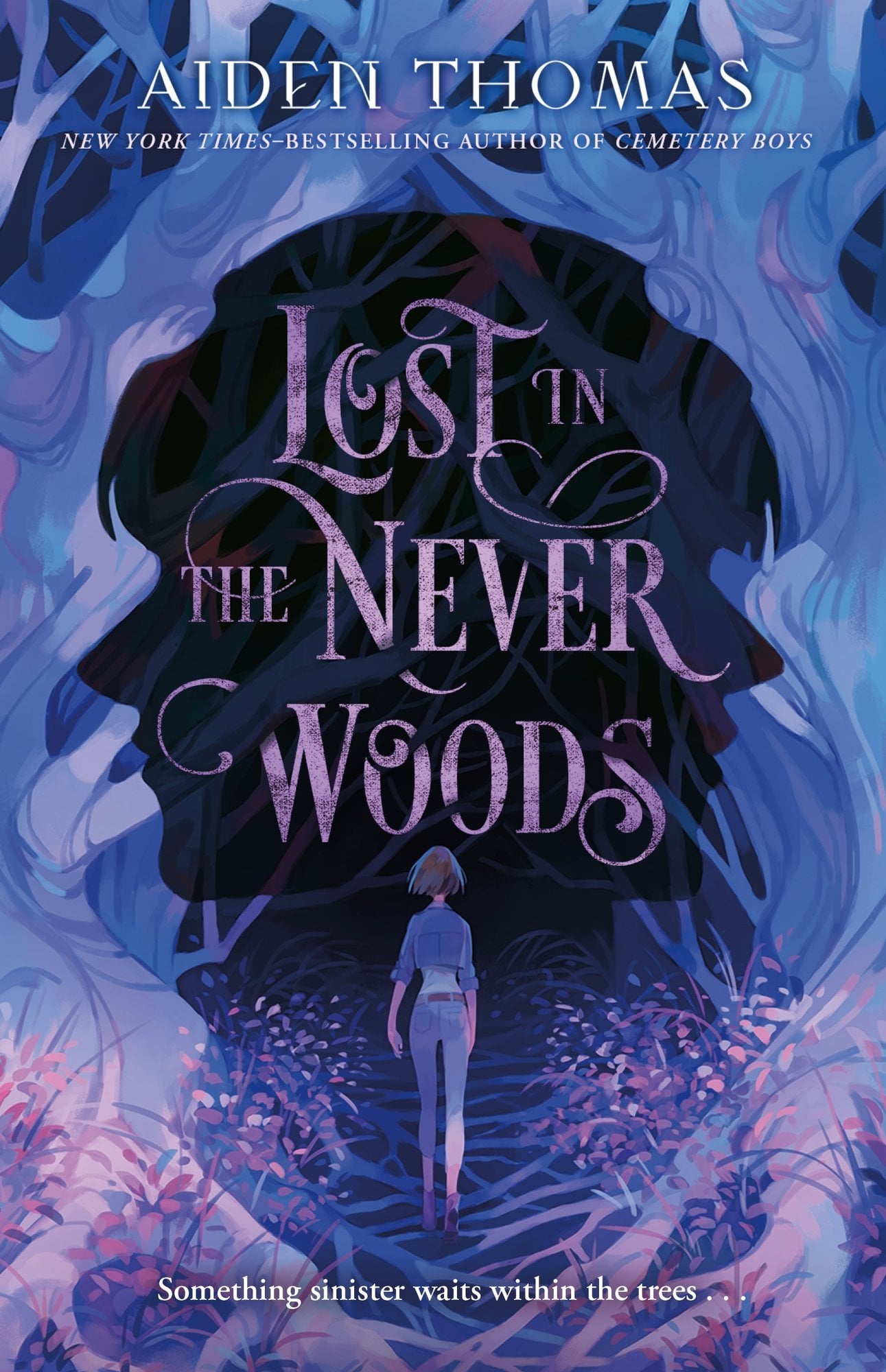
Aiden Thomas, Lost in the Never Woods
YA/Magical Realism/Thriller
Aiden Thomas sets their Peter Pan retelling in the modern-day Pacific Northwest, where children have been going missing from the small town of Astoria, Oregon. Wendy Darling is eighteen and has no memory of when she and her brothers disappeared five years prior. All she remembers is that her brothers never returned. When a boy named Peter appears in the woods behind her house one day, Wendy is pulled into a search for the missing children. She is then forced to confront her own suppressed trauma.
Thomas approaches the Peter Pan story through the lens of grief, memory, and PTSD. The result here is a retelling that treats Neverland as a metaphor for the place we go when we cannot face what has happened to us. While the horror here is not supernatural, it is certainly devastating.
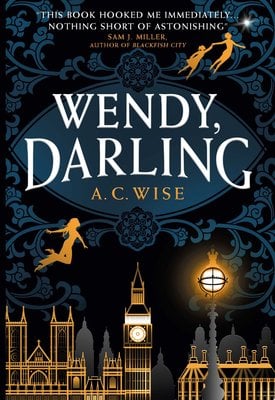
A.C. Wise, Wendy, Darling
Literary Horror/Dark Fantasy
A.C. Wise picks up Wendy Darling’s story after she returned from Neverland. Everyone in Wendy’s life refused to believe her about a boy named Peter Pan, and so she was institutionalized until adulthood. Years later, Wendy is a mother with a daughter of her own, and one day Peter returns and whisks her child away to Neverland.
Wise’s novel is the adaptation that most directly confronts what it means for a woman to tell the truth and be dismissed as mad. The horror is not just Peter, who is presented as something ancient and horrifying, but society’s refusal to believe a woman, Wendy. This is a novel about maternal ferocity, the cost of being gaslit by an entire community, and about the courage it takes to return to the place that nearly destroyed you in order to save someone you love.
***
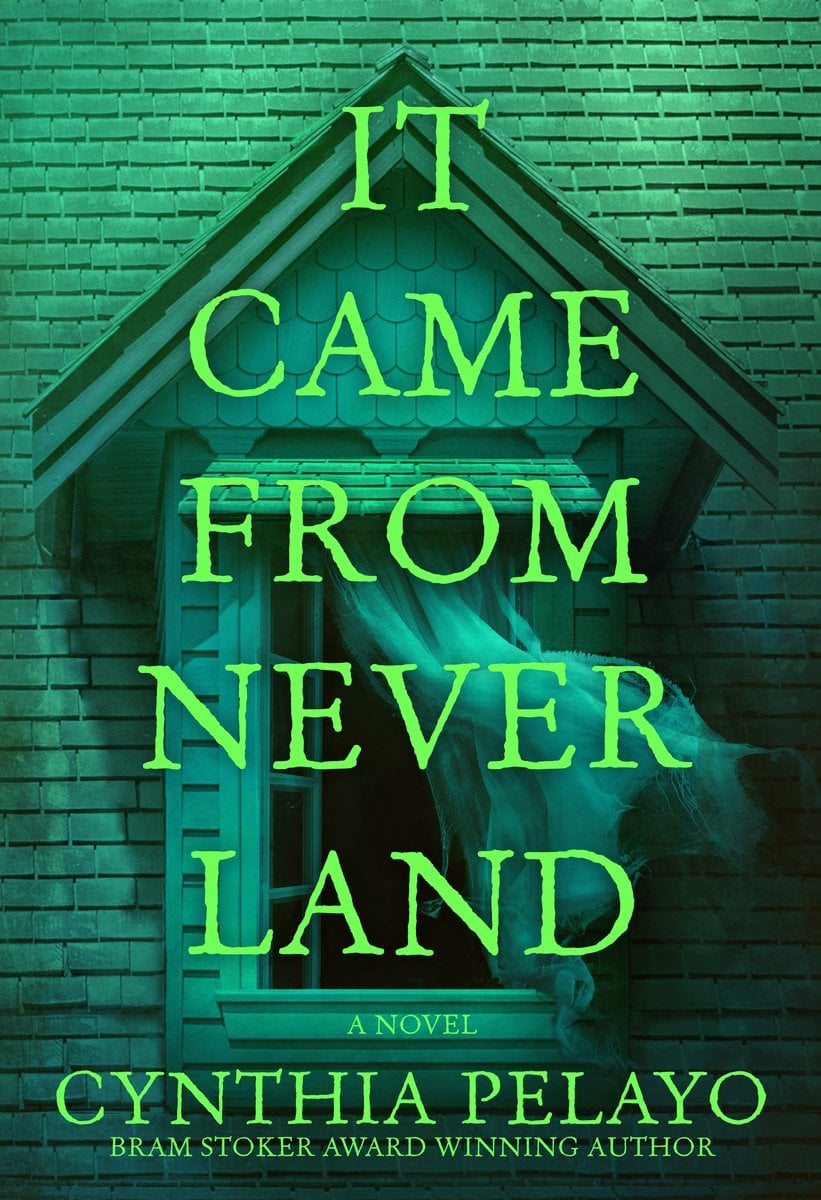

Cynthia Pelayo
Cynthia Pelayo is the Bram Stoker Award–winning author of It Came From Neverland (Crooked Lane Books, June 2026), Children of Chicago, The Shoemaker’s Magician, and Lotería. She lives in Chicago with her family.