
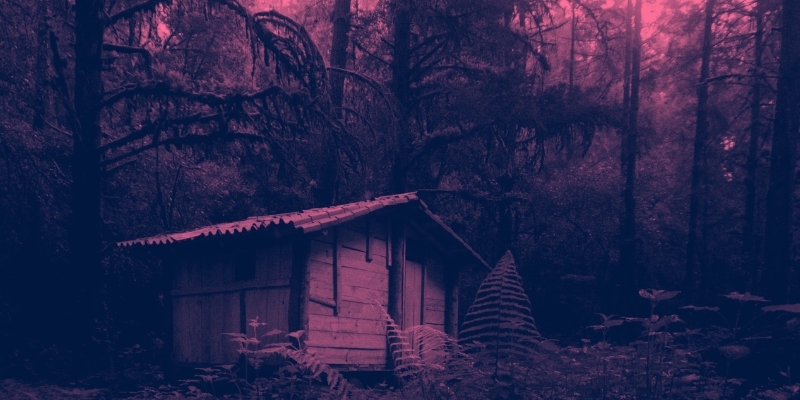
5 horror novels that take you to a cabin in the woods
Nick Medina recommends Paul Tremblay, Christina Henry, and more
You’ve driven all day. You’re tired. Your muscles are stiff and tight from sitting too long. You can’t wait to relax. Unwind. You smile when you see it. Finally! The quaint and cozy little cabin beckons from the end of a long dirt driveway bordered by tall trees on either side, their branches and leaves blocking what’s left of the sunlight.
You get out of the car. You stretch and take a spin, your eyes absorbing your surroundings, so quiet, so remote. Just what you needed. A weekend away from everything. To put your feet up. Recharge. Never expecting that you might not make it home alive.
How many horror books or movies have you read or watched that start with a similar setup? The cabin in the woods is an enduring horror trope because of its immediate ability to insert a cast of characters into an isolated situation where cellular service is nonexistent and neighbors (law enforcement included) are too far away to be of assistance. The cabin itself is a womb of sorts, safe and warm, flames crackling in the fireplace, providing protection from whatever dangers might be hiding out in the darkness, dangers that inevitably find their way in.
You feel looser than you have in weeks. Less stressed. The crick in your neck is finally gone. The peace and quiet of your isolated surroundings have done you well. But then you’re ripped from your restful sleep in the dead of night. You hear a thud. Then a screech. It’s the same screech you heard when you entered the cabin, the door’s hinges in need of oil. You bolt upright in bed. Hit the light. It doesn’t shine. The power is out. Your mind cycles. There’s a knife in the kitchen. A poker by the fireplace. Someone or something just opened your bedroom door.
Trapped with limited resources, the characters in these stories are often left to their own devices, making us wonder what would I do? in turn.
A longtime fan of the trope, I put my spin on it in my new book Savage Lake, about a mother and son who get stranded in the Northwoods of Wisconsin while trying to offload their decrepit family cabin, where more than just horrific memories linger.
For more family secrets, monsters, and madness, check out these five novels that will take you to a cabin in the woods.
*
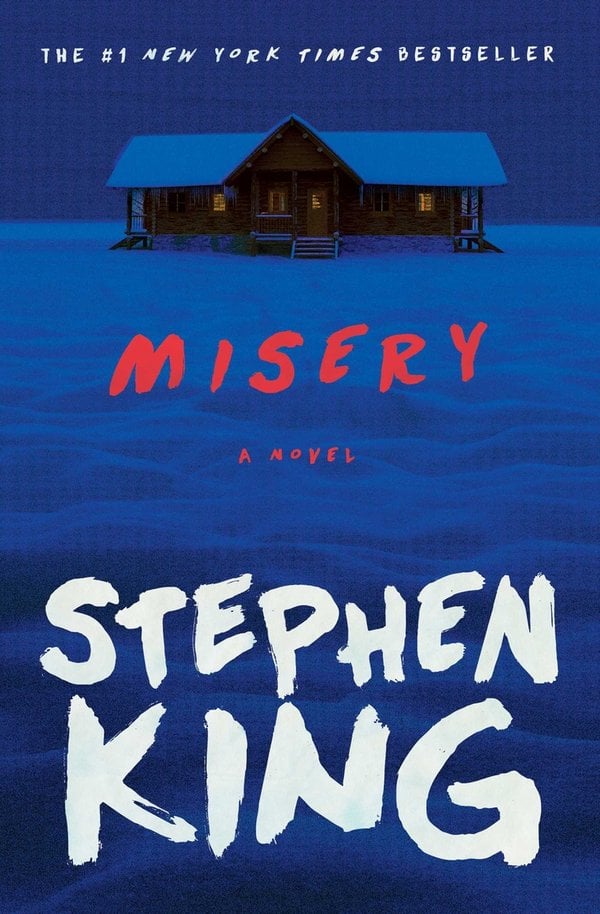
Stephen King, Misery
A key component essential for many cabin in the woods stories is the inciting event that traps the characters in their isolated surroundings, making it impossible for them to escape the imminent horror. For some, it’s a demonic entity, an infectious disease, or a looping road that prevents them from fleeing. For novelist Paul Sheldon, it’s his number one fan who rescues him from a snowy car crash and then holds him hostage in her secluded Colorado farmhouse.
With no mention of anything otherworldly in this book, King masterfully reinforces that humans are the most frightening monsters of all.
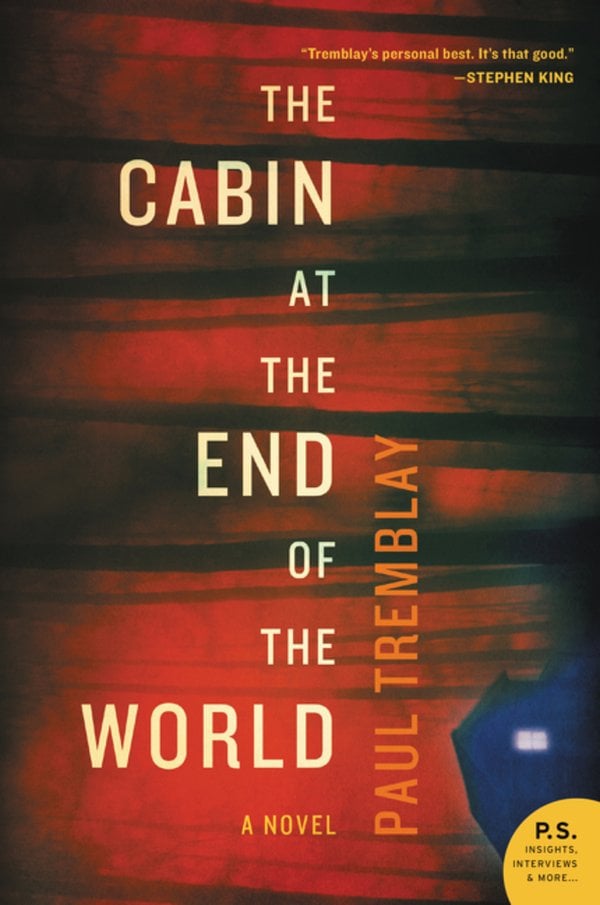
Paul Tremblay, The Cabin at the End of the World
As if the idea of a home invasion isn’t scary enough, Tremblay found a way to make it heartbreaking too, with the fate of the world on the line, no less. Vacationing at a cabin on a New Hampshire lake, Eric, Andrew, and their daughter Wen have their peace cut short by four weapon-wielding strangers who claim that the world is going to end unless the family makes an impossible decision.
The ambiguity with which Tremblay writes makes the outcome even more horrific.
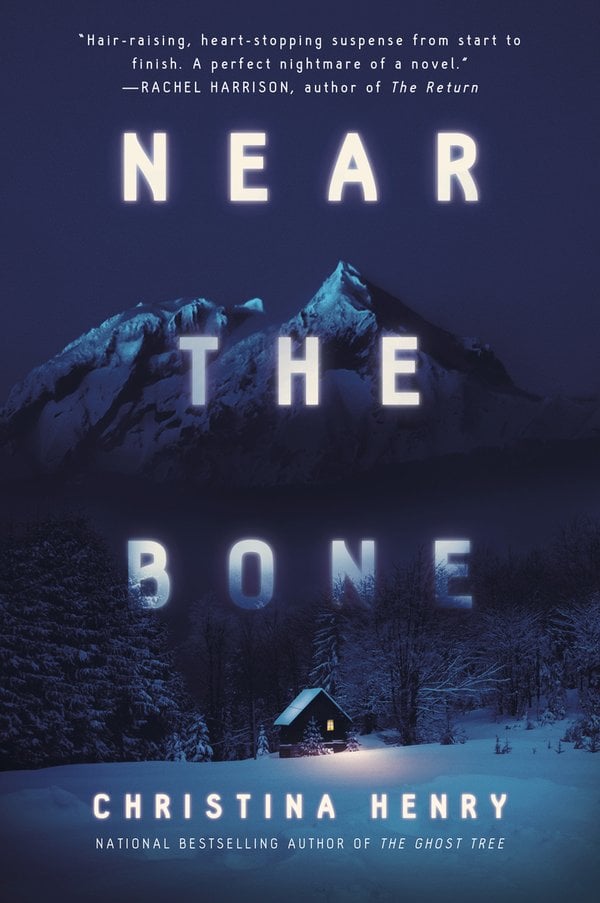
Christina Henry, Near the Bone
Forget the idea of a serene cabin retreat. And expect more than one monster, in more than one form, as Henry layers horror on top of horror in a secluded snowy mountain cabin, where a young woman named Mattie lives with her domineering husband, a man who won’t let her leave. But when Mattie discovers evidence of something ruthless in the snow—something with claws and razor teeth—she’s forced to make decisions that just might get her killed.
But which monster is she more afraid of? The one inside or the one outside the cabin?
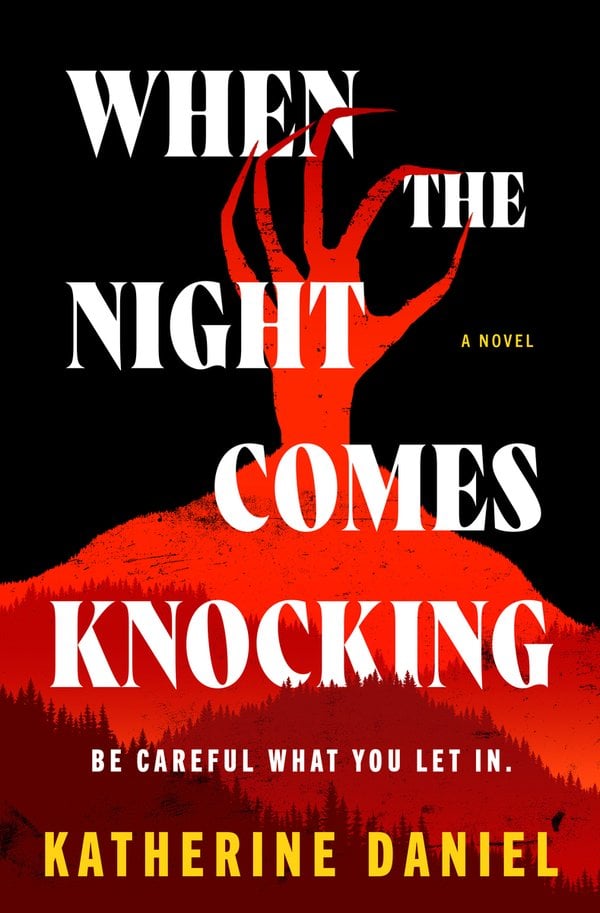
Katherine Daniel, When the Night Comes Knocking
There’s a myth about a monster that seeks out guilty hearts for the sole purpose of consuming them up on Blood Mountain, deep in the North Georgia Appalachian range. For siblings Jane and Thomas, however, the myth becomes distressingly real.
Headed to the cabin their parents rented on Blood Mountain for the Thanksgiving holiday, they stop at a convenience store for a bag of marshmallows, and it’s there (the convenience store taking the place of the cabin—different location, same rules) that they get stuck after a bloodied man comes storming in, claiming that a monster with talons just attacked a man, and that the monster is still outside, waiting.
Isolating and scary, no one is safe in this story. Everyone carries guilt. The question is, who is guiltiest? Who will live? Who will survive? Who will ask who’s there when the night knocks?
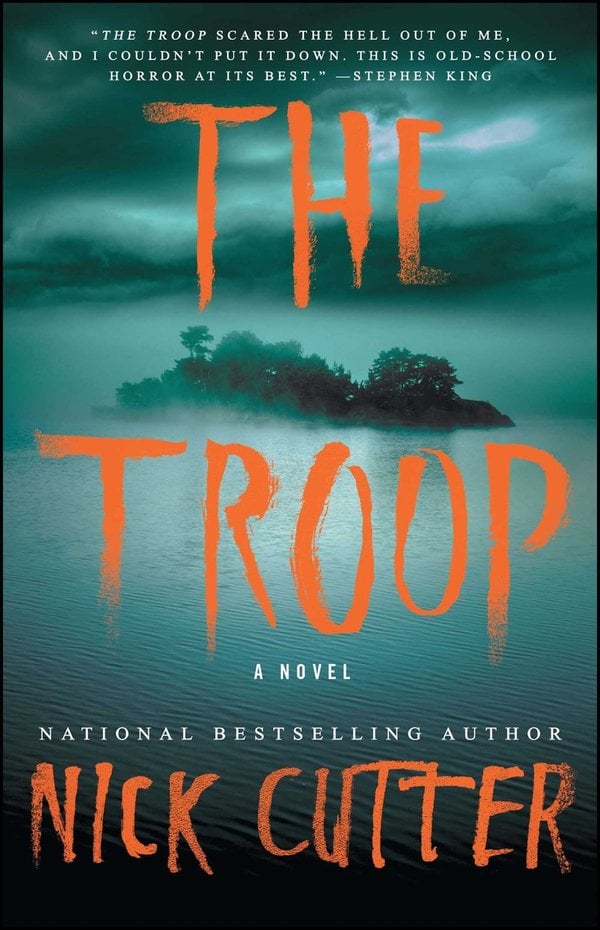
Nick Cutter, The Troop
The cabin in this story isn’t just secluded, it’s the only structure on an uninhabited island off the Canadian coast where Scoutmaster Tim Riggs takes five Boy Scouts for a weekend trip. Hell soon breaks loose when a strange man—skinny and insatiable—arrives by boat. Recognizing that there’s something wrong, Riggs tries to help the man, inadvertently exposing himself and the scouts to a bio-engineered parasite that will stop at nothing to survive.
Body horror abounds in this cabin that you’ll desperately want to escape.
*
You jump out of bed. You beg. You plead. You prepare to fight, knowing only some survive. As the bedroom door opens wider, a monstrous shadow creeps in, and although you should be running for escape through the window, you can’t help but think that you never should have rented a cozy little cabin in the woods.
***
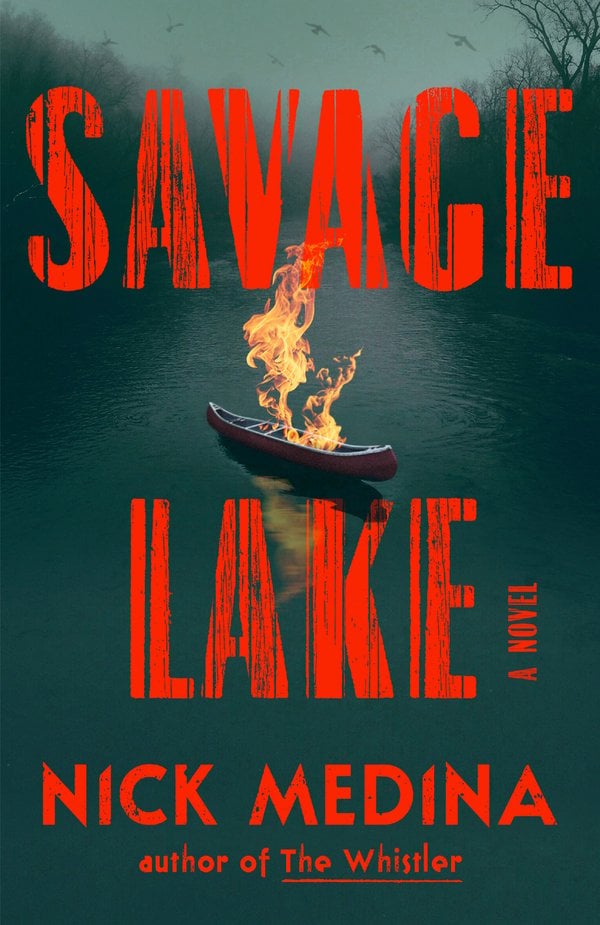

Nick Medina
Born in Chicago, Illinois, and a member of the Tunica-Biloxi Tribe of Louisiana, Nick Medina writes horror, crime, and mystery fiction that pairs social issues with local and Native American folklore. In addition to writing, he enjoys live music, ghost stories, and spending time with family. Savage Lake is his fourth novel.