
5 Propulsive Thrillers Featuring Trauma, Reunions, and Lingering Pasts
Jaclyn Goldis recommends Liz Moore, Riley Sager, and more
You can leave a place, but you can’t always leave behind what happened there. And a murky past trauma that links a group of people and calcifies their guilt until it resurfaces to explosive effect in the present? Sign. Me. Up. Summer camps in the Adirondacks; a riverside estate in Devon, England; a house in the Outer Banks; and Oxford University—the settings for these “you can never really leave” thrillers are atmospherically elite. Like Now and Then, but deliciously darker.
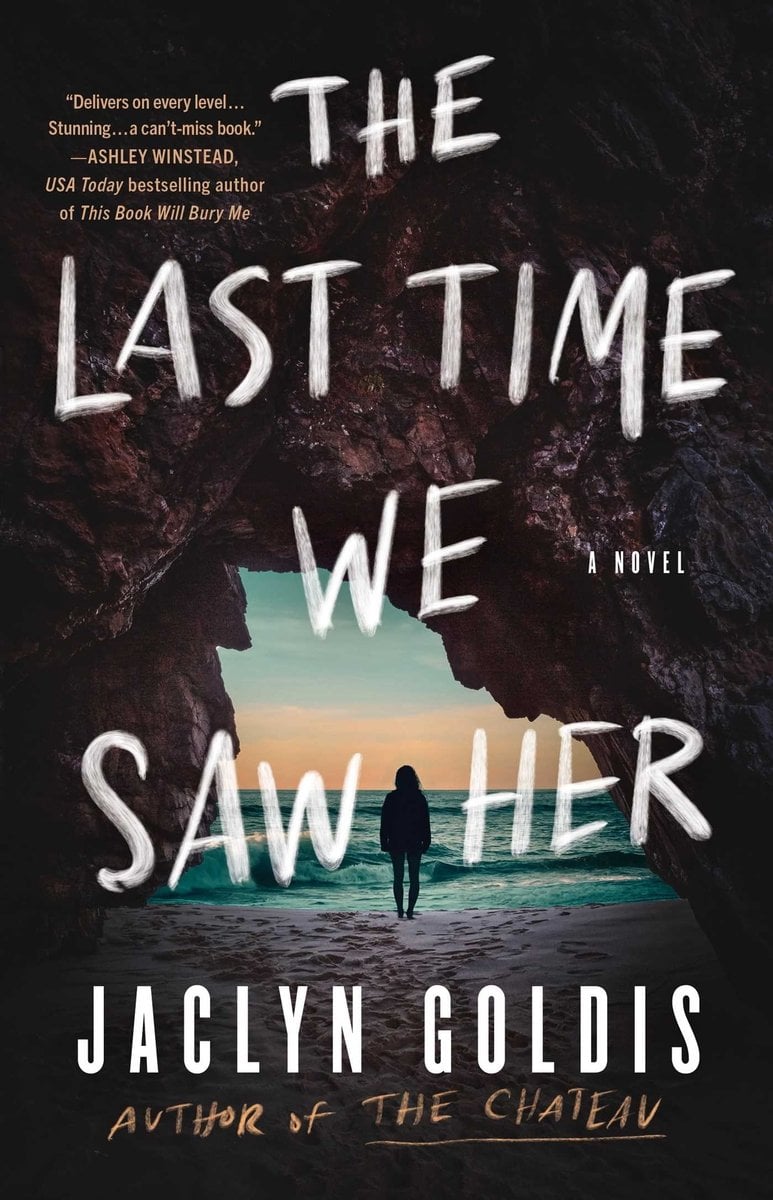
In my latest thriller, The Last Time We Saw Her, set on the raw, isolated Portuguese Azores islands, a group of former summer campers reunite ten years after a fellow camper, Sydney, disappeared during a treasure hunt, leading to her presumed murder and her sister and fellow camper, Olivia, being blamed. The reunion, for a documentary about the cold case, reignites old feuds, secrets, and betrayals—with a murderer still on the loose.
“Reunited and it feels so bad” is a chef’s kiss thriller trope, and the following propulsive thrillers have it nailed.
*
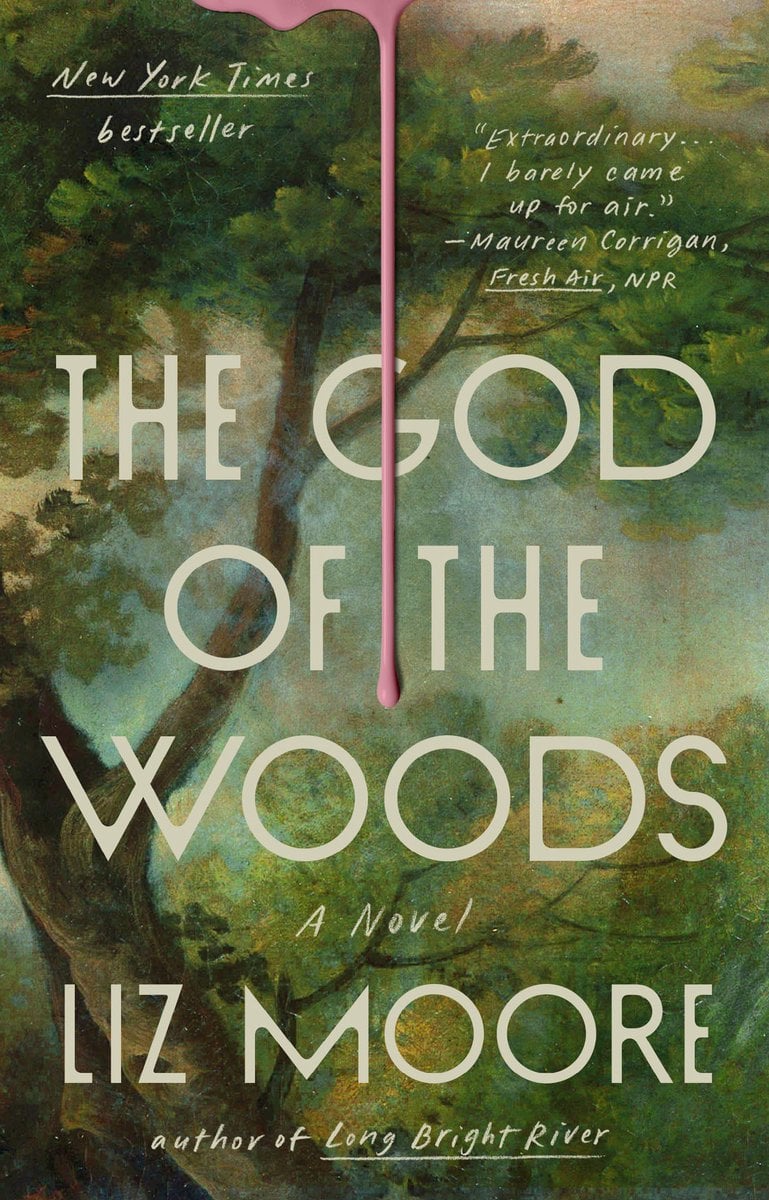
Liz Moore, The God of the Woods
This stratospheric bestseller earns every ounce of its acclaim. In 1975, thirteen-year-old Barbara Van Laar vanishes from Camp Emerson in the Adirondacks, the camp her family owns in a region most of whose residents it employs. But Barbara isn’t the first Van Laar child to disappear from these woods; her brother, Bear, went missing fifteen years earlier.
In dual timelines, Moore excavates the rot at the center of this family and the blue-collar community working in its shadow. Through rich, sensory writing, skewering observations, and an intricately layered plot, the “reunion” of the original cold case players for Tragic Summer Part Two is masterfully executed.
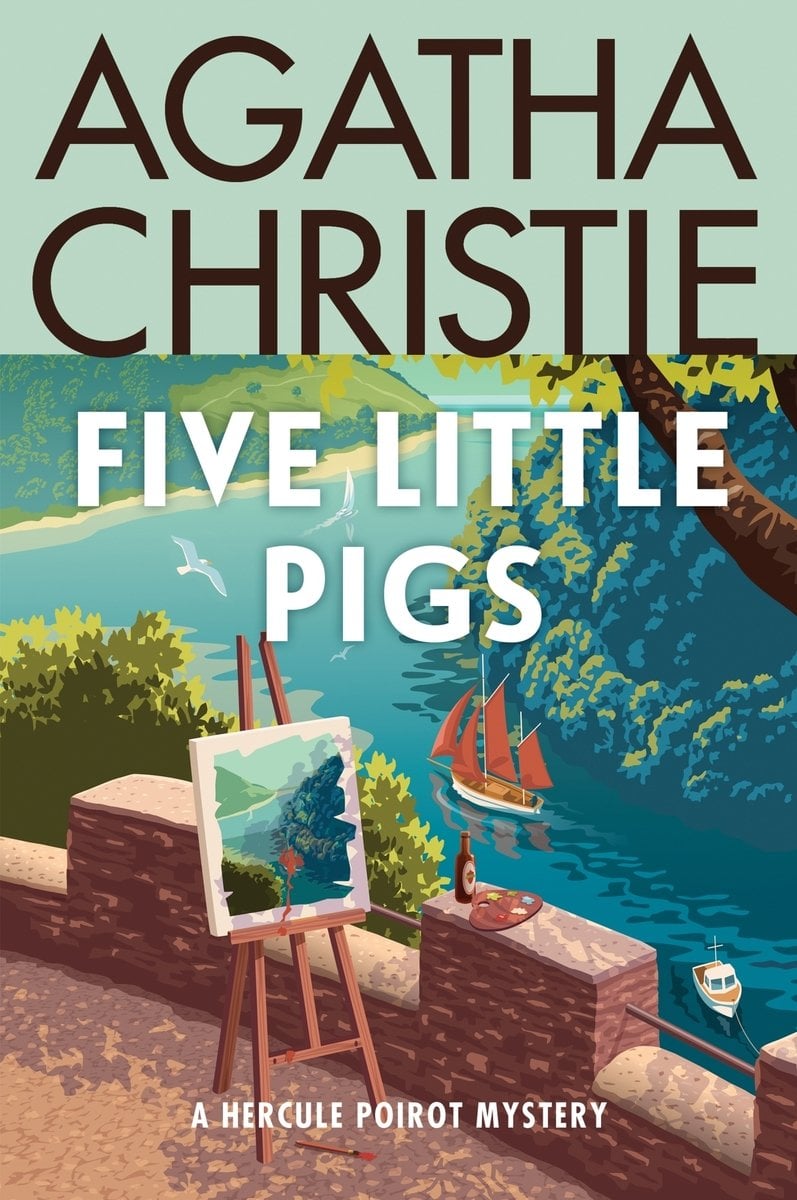
Agatha Christie, Five Little Pigs
One of Christie’s most esteemed works is this ingenious mystery with a gripping setup. Sixteen years after a woman was convicted of poisoning her husband at their cliff-house estate during a summer party, her daughter hires Poirot to unearth the truth. The Queen of Mystery presents us with a cast of five suspects, all of whom Poirot interviews, each suspect having spent the interluding period steeped in the weight of the earlier crime.
Masterfully employing competing testimonies and unreliable witnesses, Christie’s real focus here is, as in many of her books, the simmering web of history between her characters. In the end, Poirot’s little gray cells untangle the thorny affair with his signature aplomb.
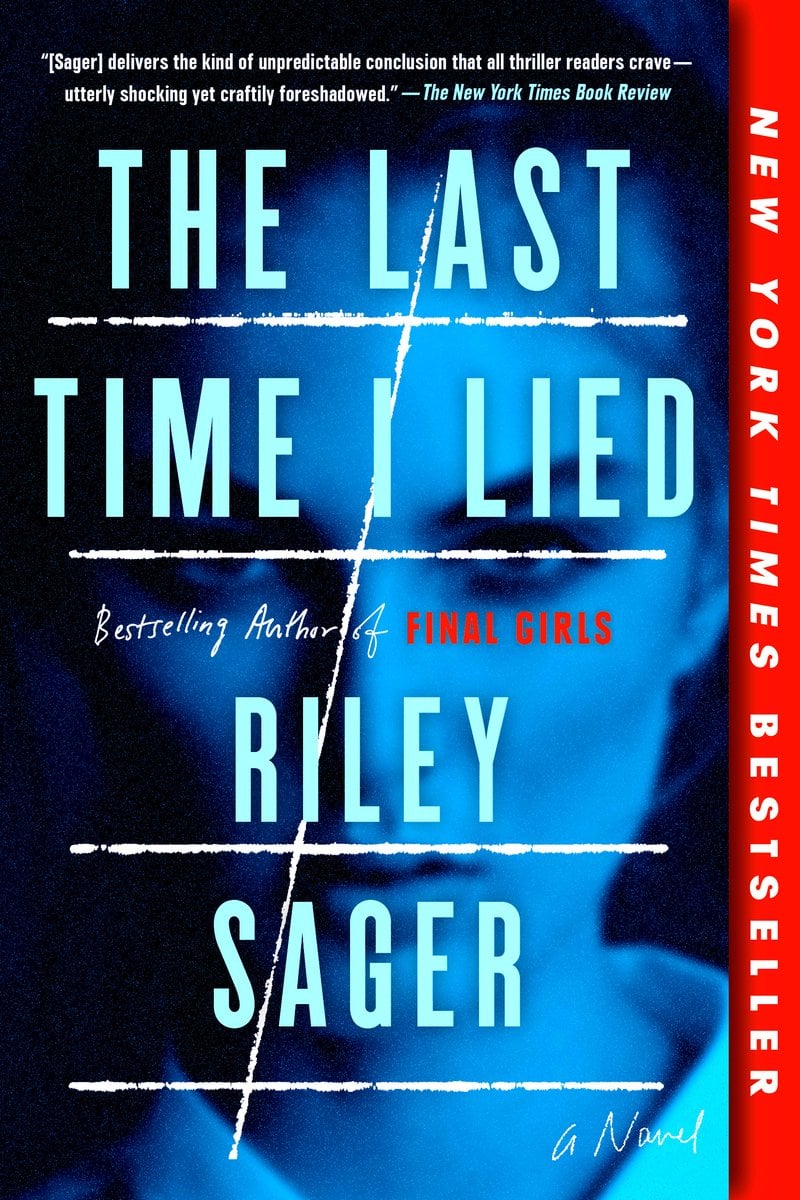
Riley Sager, The Last Time I Lied
Fifteen years after three of her cabin mates slipped out of Camp Nightingale and never returned, Emma’s wounds are hauntingly depicted in her celebrated artwork. When her paintings catch the eye of the camp director, she is invited to return as an art instructor. Back at camp, Emma encounters familiar faces, and is even assigned to sleep in the very same cabin she occupied years prior, from which the girls once disappeared.
Sager is at his heart-pounding best in this riveting take on a “you can never really leave” thriller, with one of the most stunning conclusions I am still thinking about years later.
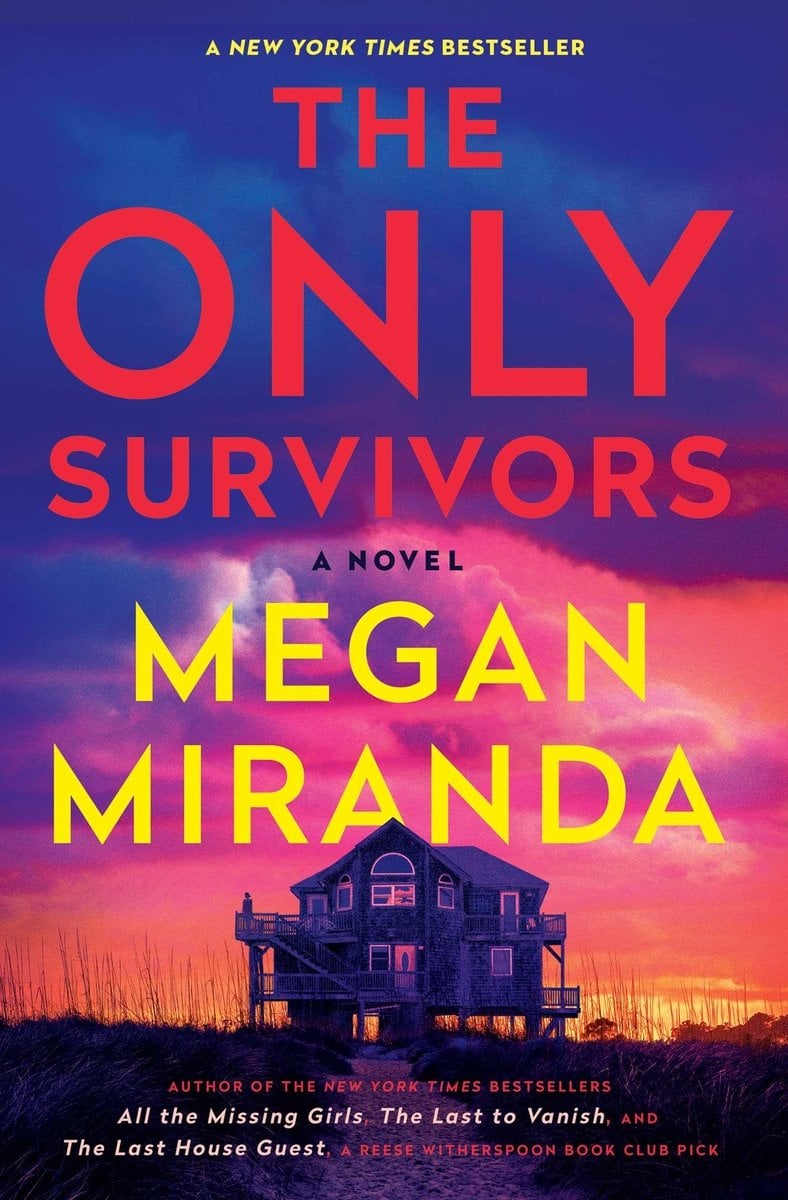
Megan Miranda, The Only Survivors
A decade ago, two vans of high schoolers careened into a Tennessee ravine, killing everyone but nine. Ever since, the survivors have been gathering every year at a house on the Outer Banks. To reunite, but also to make certain they all stick to the agreed story of what happened.
Toggling timelines between past and present, natural forces augment the tension: the rushing waters of the river during the accident, and a storm closing in on the house in the present. As alliances shift and the coverup takes unexpected twists and turns, the story builds to a chilling climax—and the villain unmasking shook me to the core.

Ruth Ware, The It Girl
As first-term students at Oxford University, a group of inseparable friends contend with the death of one of their own. A decade later, they reunite when a young journalist begins asking questions and one of the friends realizes not everything was as it seemed.
Another dual-timeline story is marshaled to great effect; the Oxford chapters have the intensity of a fever dream, seeping into everything that comes after it. The brilliance and complexity of the crime, once unspooled, leave no doubt as to why Ware is often compared to Christie herself.
***

Jaclyn Goldis
Jaclyn Goldis is a graduate of the University of Michigan, Ann Arbor, and NYU School of Law. She practiced estate planning law at a large Chicago firm for seven years before leaving her job to travel the world and write novels. After culling her possessions into only what would fit in a backpack, she traveled for over a year until settling in Tel Aviv, where she can often be found writing from cafés near the beach. She is the author of The Chateau, The Main Character, The Safari, and The Last Time We Saw Her.