6 Crime Memoirs That Put Queer Identities at Their Center
Prudence Bussey-Chamberlain recommends Emma Copley Eisenberg, Alex Marzano-Lesnevich, and more
In the screen adaptation of Under the Bridge, a true crime book about the murder of Reena Kirk by a group of her peers, Rebecca Godfrey, the author of the book, became a more prominent character in the narrative. The audience saw her return to the small Canadian town in which she’d grown up, still haunted by the grief of her brother’s death, and intent on interviewing as many teenagers involved as possible.
While there, her relationship with First Nations police officer Cam Bentland, played by Lily Gladstone, is frustratingly reignited and questions that seemed to ghost the book were suddenly brought to the fore. Imagining this queer romance as a key thread in a story of familial devastation, racism, and law enforcement failures, unsettles what we might traditionally look for in true crime, bringing the interpersonal and intimate nature of the crime to light.
I use this example to start my list of queer crime memoir because the queerness seems fundamental to the way these texts might unsettle our expectations or refuse easy resolution and catharsis in ideas of justice. The self-awareness of the autobiographical subject often refuses or eschews narratives of black and white evil and wrongdoing that is rightly punished and instead forces us to turn more comprehensively to the societal issues that have made such violence possible.
*
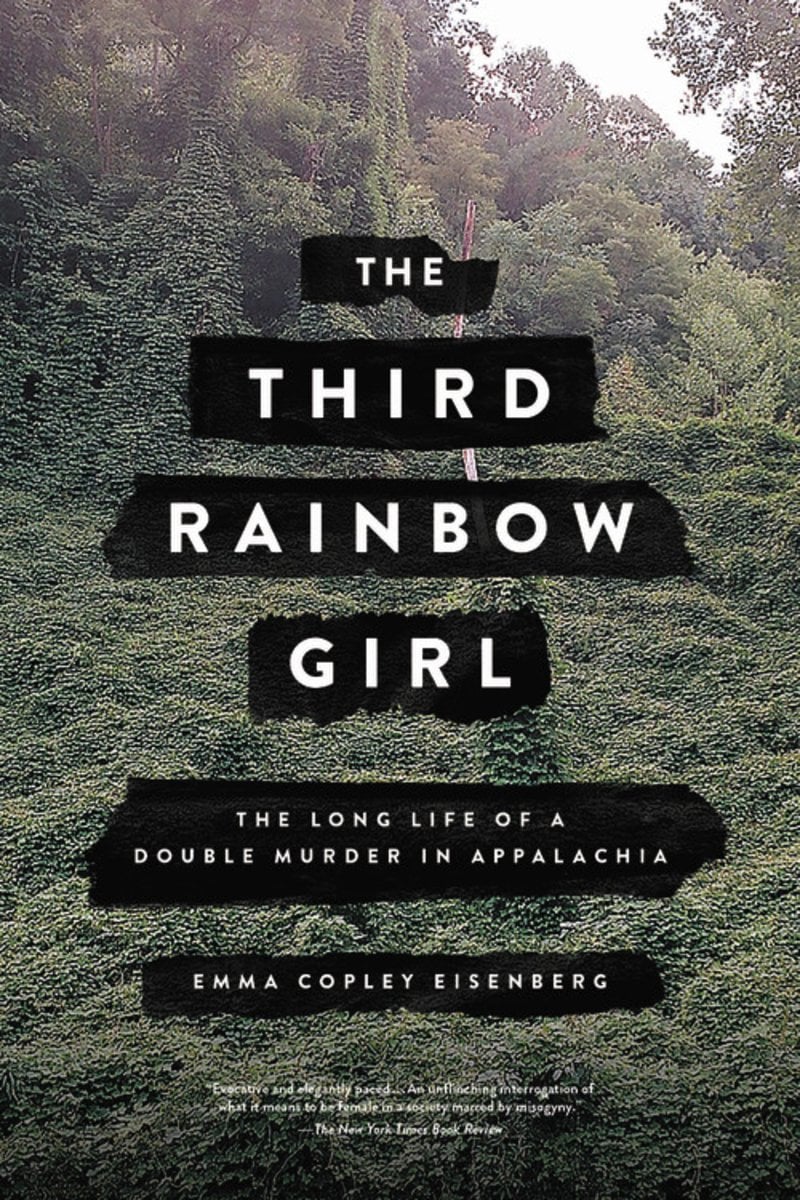
Emma Copley Eisenberg, The Third Rainbow Girl
In this true crime memoir, Eisenberg tells the story of a double homicide in Appalachia where two young hitchhikers were murdered on their way to the Rainbow Gathering festival. What’s so interesting about this book is that the community convicts one of their own for the murders, only for this greater statistical likelihood to be upturned when a serial killer claimed the crimes as his own and offered compelling evidence to attest to the fact.
The book refuses to walk into the sensationalism of the serial killer, or indeed to position the serial killer as uniquely violent towards women, instead using the original conviction to think through how violence is committed in a day-to-day sense along gender, race, and class lines within a community. Eisenberg also draws on her own time in Appalachia, weaving through a history of the area as well as her own experiences, which make the experience of womanhood seem not too distant from the arbitrary violences to which these women were subjected.
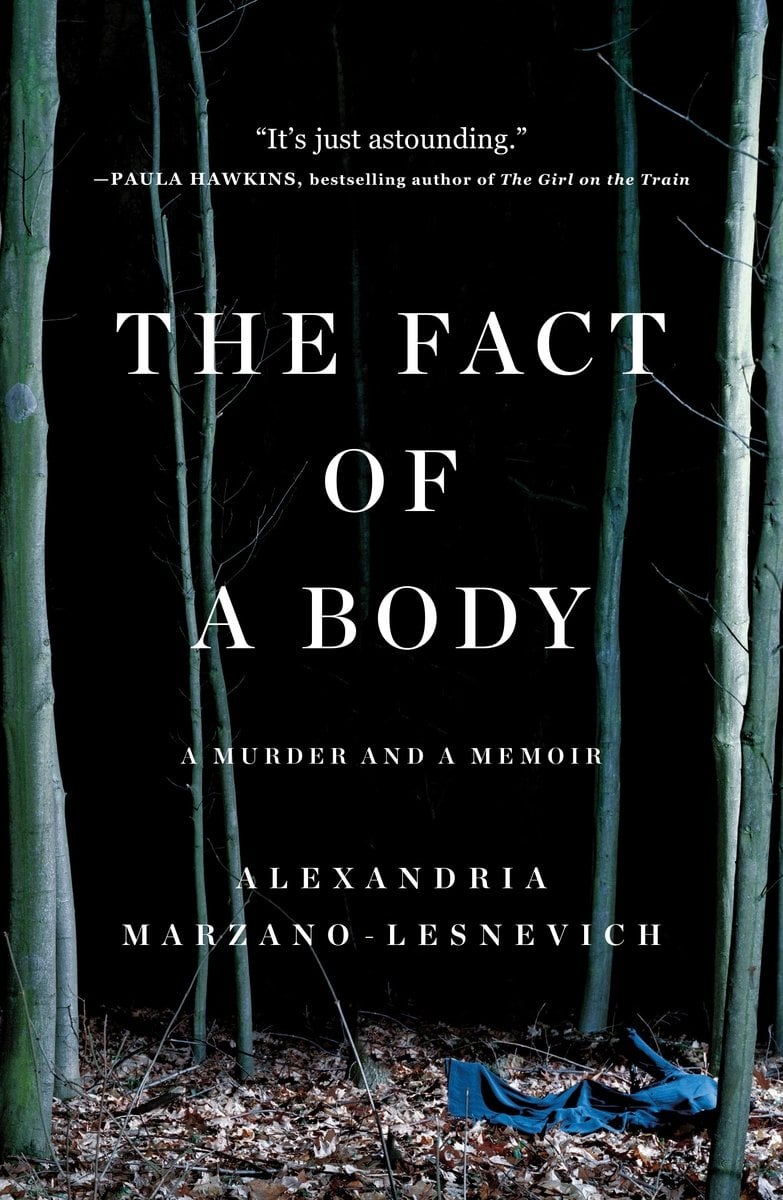
Alex Marzano-Lesnevich, The Fact of a Body
Alex Marzano-Lesnevich’s work is a dual narrative that unpicks their investigative work as a lawyer, tasked with a case for which there is already a conviction. Watching tapes back of Ricky Langley, who was convicted of the murder of a six-year old boy, Marzano-Lesnevich is confronted with the unresolved trauma from their own experience of familial abuse.
The book foregrounds in ways that other true crime fails to, the way in which the authorial subject ultimately comes to dominate how we as readers encounter the crime. Our understanding of Langley is inseparable from the way Marzano-Lesnevich represents him, which is conditioned by the experiences of their own life.
Painstakingly and sensitively, they excavate family history and reconstruct a crime from public record, forcing the reader to reflect on how we come by the truth and how indisputable fact can shapeshift depending upon perception. As Marzano-Lesnevich says in an interview with The Guardian, “the book is as much an argument about the meaning and way in which we tell stories as it is about the story being told.”
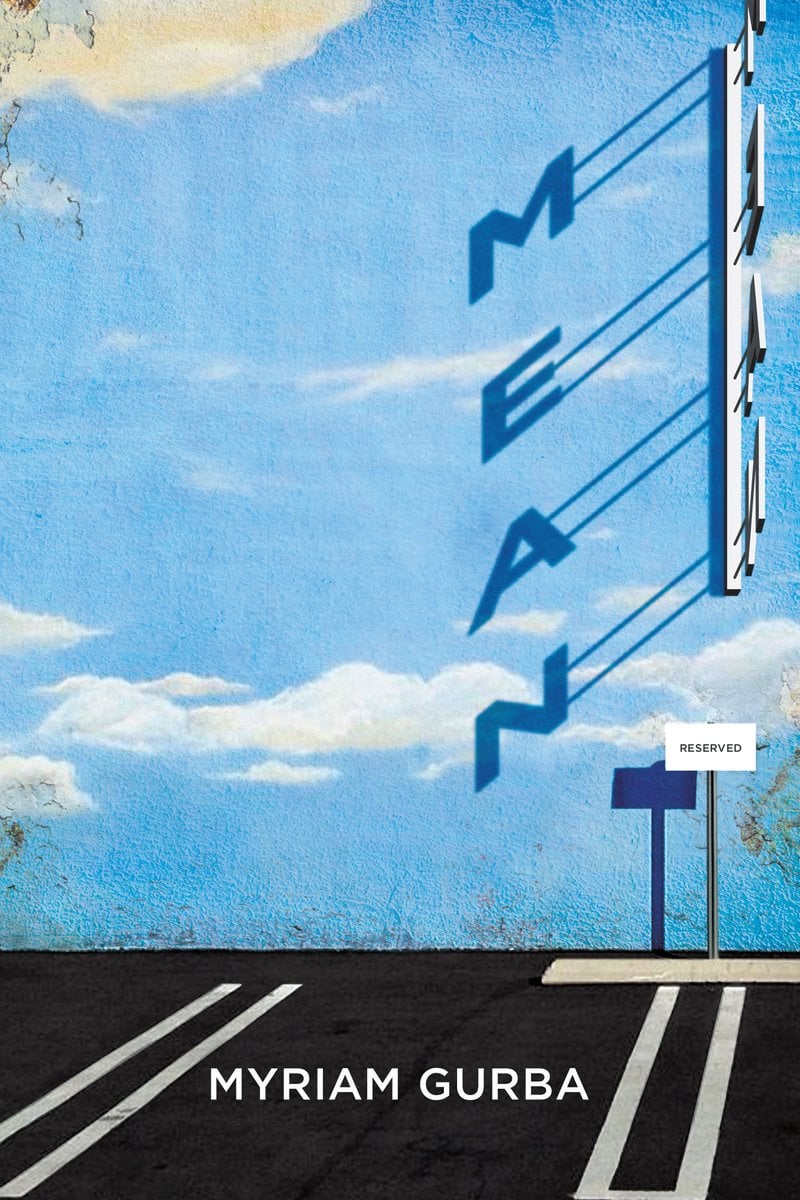
Myriam Gurba, Mean
Mean is exceptional within this genre in the way that it expands outside of true crime and memoir, and into hauntings. Drawing on the ghost story, but rejecting its conventions, Gurba dwells in the possibilities and impossibilities of speaking for those who are no longer physically able to speak.
Combining her own coming of age, and the crushing awareness of gender and race, the book is an excoriating critique of misogyny and the hatred of women. Gurba writes about her experience of sexual assault and how her own assailant went on to murder a later victim.
The book reckons with grief and responsibility, as well as the various ways in which women can be haunted by their experiences of patriarchy at its most violent and intrusive. Inflected by a poetic style, the book is never mawkish or overly-sentimental, with Gerba using prose like a scalpel.
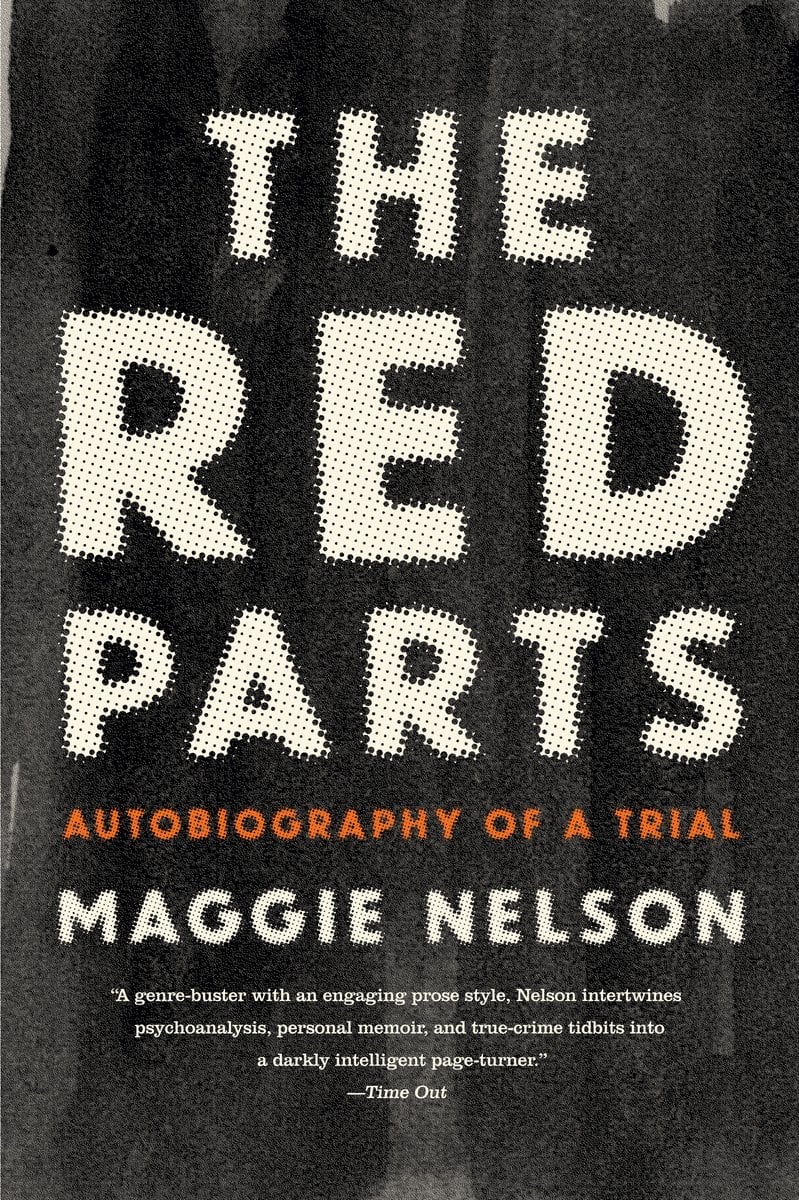
Maggie Nelson, The Red Parts: Autobiography of a Trial
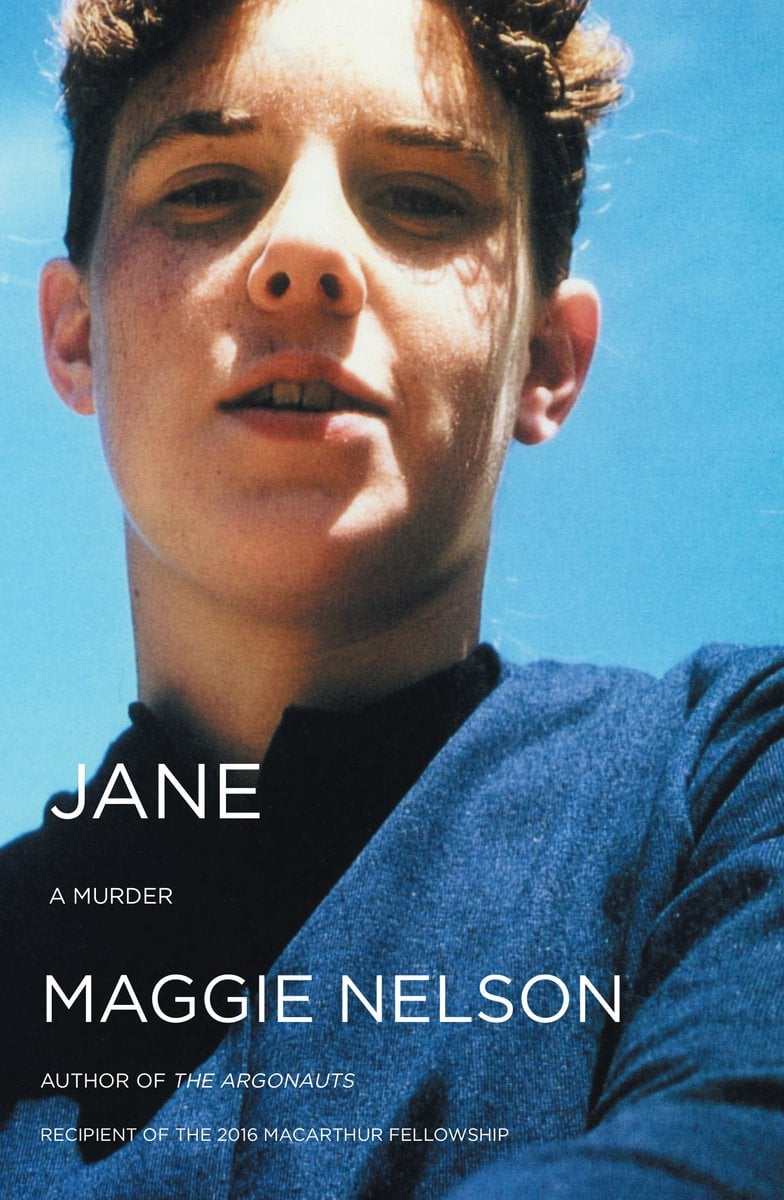
The Red Parts and Jane: A Murder are almost companion pieces, in which Maggie Nelson explores the sprawling ramifications of the murder of her aunt before she was born.
Almost in a reversal of the exceptional serial killer murder in The Third Rainbow Girl, Jane: A Murder believes that Jane Mixer was murdered by the co-ed killer, who had been targeting women from the local area at the exact time of her death. The poetry book combines extracts from Jane’s own diaries as she grapples with coming of age and her significance – or lack of – in the world as well as Nelson’s own lyric reflections on how she matured in the shadow of death.
The Red Parts picks up after the publication of Jane, when Nelson has been contacted by a police officer to tell her they’ve found the man who really killed her aunt: a nurse, an everyman with his own family. The memoir goes on to explore the failures of the “justice” system to mete out any consequences that actually feel reparative or restorative, as well as the terrifying mundanity of the man who was able to murder a young woman.

Carmen Maria Machado, In the Dream House
Machado’s brilliant genre-defying memoir asks its reader to rethink criminality from a very specific subject position. Having experienced domestic abuse, that never spilt over into violence, Machado is concerned with the idea of what constitutes proof of harm, and in the absence of such proof, how an archive of these experiences fail ever to take shape.
She also considers how the idea of abuse within queer communities is especially hard to articulate or report. It requires a collaboration with law enforcement that would have to overlook the violent policing of LGBTQ+ people through history and in the contemporary, and it would also bring shame upon a community that has mounted a campaign of acceptability politics through the twentieth and twenty-first centuries.
The text itself shifts between first and second person, showing the reader how the traumatic experience of abuse can sever someone from their sense of self. The use of over one-hundred genres to tell the story also asks how we can ever find the right register or mode for trauma, and how we can ever communicate in a way that makes other people believe us.
***


Prudence Bussey-Chamberlain
Prudence Bussey-Chamberlain is a writer and lecturer. She has published four books of poetry, including Grief Is the Thing in Pleather, and two academic books on feminism and queer flippancy, as well as the novel Bone Horn.