

7 essential 1970s NYC noir books and films
Rosanne Limoncelli recommends evocative work from James Mills, Judith Rossner, and more
Noir fiction has been defined as a world of cynicism, fatalism, and moral ambiguity. Although it may have originated between the two World Wars in Dashiell Hammett’s San Francisco and Raymond Chandler’s Los Angeles, noir was reborn in the 1970’s of New York City. Each decade has its own quality, reflecting the social and political turmoil of its time, but the NYC 1970’s remains distinctive for the gritty style of the books and movies instilled from real life.
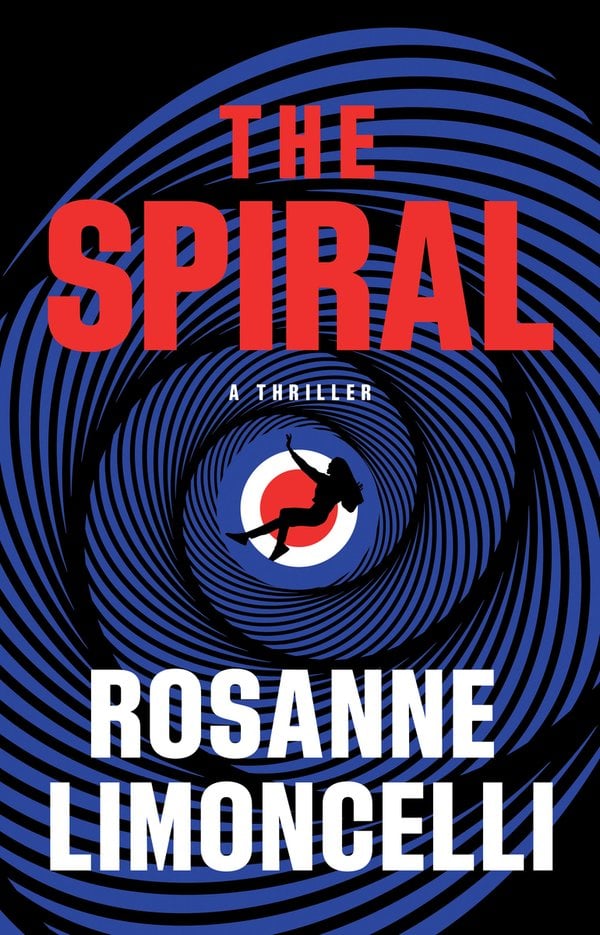
All of these stories have the personal struggles, the morally ambiguous decisions, and the political cynicism that form noir’s fatalism. Each novel ends with satisfying operatic tragedy, the dark and the light that coexists in the chiaroscuro world of noir. My teenage years spanned the 1970’s in New York City, and my latest novel The Spiral is a noir thriller set in that time and place with a heavy dose of memoir.
These stories send me back there.
*
Novel, 1972
Film, 1975
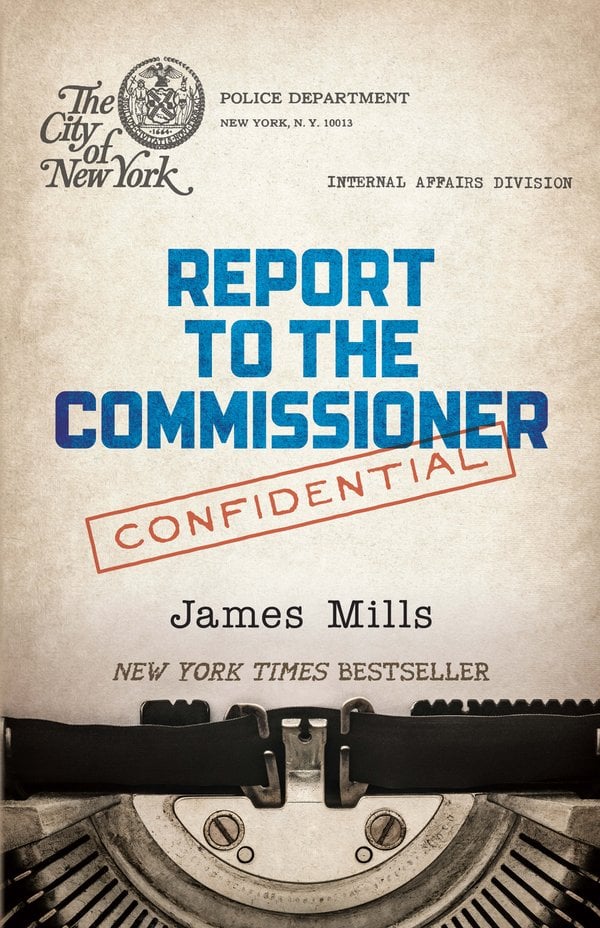
James Mills, Report to the Commissioner
This novel is told through a fictional police report that slowly builds the fascinating account. The NYPD hired a wave of unconventional recruits meant to help the police department modernize. A young detective, Bo Lockley, assigned to the Times Square area, struggles with his idealism while working with the cynical veterans. He cannot stop the crime and destruction that occur around him, he is too innocent and the world is too dark.
But his occasional influence on the people around him, and the world’s impact on him, is the heart of the narrative. Both the book and the film carry the weight of the time. The film, directed by Milton Katselas and written by Abby Mann and Ernest Tidyman, has an outstanding cast, most notably Michael Moriarty and Yaphet Kotto, and the well-crafted script respects the original work.
Novel, 1970
Film, 1972
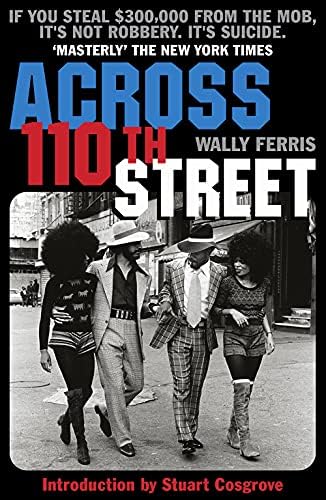
Wally Ferris, Across 110th Street
Told from more than one perspective, Across 110th Street presents tragedies with realism, and emotional and sociopolitical depth. The robbery of an organized crime payroll puts the robbers, the police detectives, and the criminal drug lords in a triangle of pressure. In typical noir fashion, there is no way out, but the change that happens to the characters, as the story unfolds, gives the satisfying impact.
The compelling book reads like important historical testimony. Unfortunately, it is quite difficult to find a copy. The film, directed by Barry Shear and written by Luther Davis, is well made, magnificently portrayed by Yaphet Kotto and Anthony Quinn, extremely well-paced, and has an exceptional soundtrack.
Book, 1973
Film, 1973
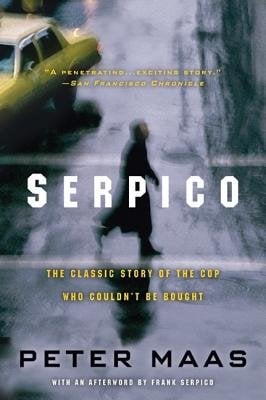
Peter Maas, Frank Serpico, Serpico: The Classic Story of the Cop Who Couldn’t Be Bought
This nonfiction book is a critical account of the depth and complexity of corruption in the system of law and order from the time. It is an engaging biography of Frank Serpico whose background and personal history growing up in New York is an important precursor to the events that lead to the near tragic end.
While this story may only be considered on the fringe of noir, the historical background is essential reading to understand NYC noir fiction of the time. The film with Al Pacino as Serpico, directed by Sidney Lumet and written by Waldo Salt and Norman Wexler, is a superb visual representation, and should not be missed.
Novel, 1975
Film, 1977
Judith Rossner, Looking for Mr. Goodbar
This novel was inspired by true events and starts at the very beginning of the life story of Theresa from the Bronx, a woman who has been on a downhill journey since childhood. Her life is articulated in a way that pulls us right alongside her, through her unlucky life events, misguided experiences, poor decision-making, and damaging self-treatment, all giving a realistic understanding of what it was like to live in that era. It is the full backstory of a dedicated teacher and lonely lost soul, in the film played brilliantly by Diane Keaton, as she consistently puts herself in dangerous situations that finally lead to the tragic ending.
Adapted for the screen and directed by Richard Brooks, he gives the story a thriller angle with a slightly different focus. Read the book first, and Theresa’s story will resonate even more forcefully.
Novel, 1976
Film, 1978
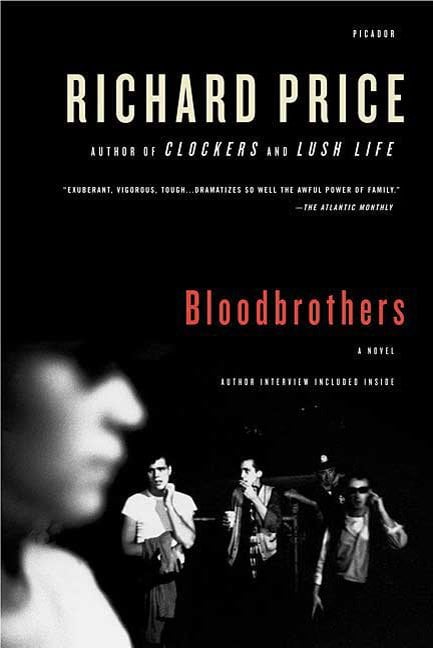
Richard Price, Bloodbrothers
Working class eighteen-year-old Stony is struggling to find himself in the macho construction worker world of his father and uncle, while trying to navigate the mental illness of his mother and little brother. In the dark confusion of his life, the social pressures, the family drama, he finds a glimmer of light when he discovers he has a talent and compassion for working with kids. But will the circumstances that surround him allow him to live the life he wants to live?
This 1970s noir portrait of a young man is beautifully drawn in the book, bringing us along with him on his rollercoaster journey. In the film, skillfully directed by Robert Mulligan and adapted for the screen by Walter Newman, Richard Gere gives an inspired performance as Stony and shares the screen with an excellent supporting cast.
Novel, 1979
Film, 1984

Vincent Patrick, The Pope of Greenwich Village
Distant cousins Charlie and Paulie, living on the edge of organized crime, are two men who wouldn’t recognize a good decision if one fell on their heads. The interior lives of these two characters makes this book engaging as they struggle with their life choices forming a story that is more than a cautionary tale.
The film, directed by Stuart Rosenberg and adapted by the author, is more polished than many of its gritty counterparts, but it is worth watching, most especially for the performances of Mickey Roarke and Eric Roberts in their sparkling youth.
Novel, 1976
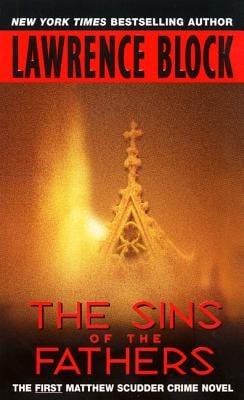
Lawrence Block, The Sins of the Fathers (Matthew Scudder Series #1)
The details and descriptions in Lawrence Block’s Matthew Scudder series are required reading when analyzing the 1970’s in New York City. Matthew Scudder is an ex-police detective, struggling with alcoholism and other demons. He’s no longer a cop, nor is he a licensed private investigator, but if someone asks nicely, and has cash to spend, he’ll take a case so he can pay the rent on his room at a flophouse and send money to his ex-wife and kids.
This first book is an interesting insight into a world of part-time sex workers and seedy lives on the fringe. The ending has a strange twist, but it is the haunting details of the lives of so many sad and lost individuals that make this story, and the entire series, essential reading for 70s noir exploration. Follow Matthew Scudder from the first to the last of the books in the series and watch him and New York City evolve.
Sadly, there is no adaptation for the screen of this novel. A few other books in the Matthew Scudder series were adapted for the screen but none of them retain the exquisite NYC 70s aspects so integral to the series.
***

Rosanne Limoncelli
Rosanne Limoncelli is an author, filmmaker, and storyteller living in Brooklyn. She has written, directed, and produced short narrative films, documentaries, and educational films. Rosanne also writes plays, screenplays, poetry, games, mysteries, and science fiction. Her short fiction has appeared in Alfred Hitchcock Mystery Magazine, Suspense Magazine and Noir Nation, and her short films have been screened in festivals around the world. The Four Queens of Crime is her debut mystery novel. Dr. Limoncelli has taught writing and filmmaking for more than three decades and is the Senior Director for Film Technologies at the Kanbar Institute and the Martin Scorsese Virtual Production Center at NYU’s Tisch School of the Arts.