
Craig DiLouie on Making the Familiar Frightening in Horror Fiction
The author of The Summer Fun Massacre shares how to invert a genre's tropes
Why are rollercoasters fun? It’s the thrill, of course. Adrenaline, dopamine, endorphins. They allow one to experience danger in a safe environment.
Fiction can serve a similar purpose. Researchers have found it can, in effect, place the reader’s brain in the protagonist’s body. The brain interprets reading as physical experience, altering brain chemistry. VR for the brain.
This is what makes horror fiction fun. It’s a rollercoaster in print, ridden in the safety and comfort of one’s favorite armchair or couch.
Sometimes, the horror equivalent of the rollercoaster is an old mansion, a spooky graveyard, or a cabin in the woods. But often, it’s the world we live in. This is the magic of horror—its ability to recast the familiar as frightening and exorcise deep-seated fears that all we take for granted as normal may not be what it seems.
*
Paths to Horror
For many years, the horror market suffered under the impression that its only trick was to be shocking with gore. The genre, however, is a big tent.
Horror, after all, is an emotion (and a base emotion at that), which makes it difficult to even categorize as a genre. Alien is a terrific sci-fi movie, but it could also be considered a horror movie. Thomas Harris’ The Silence of the Lambs is a terrific crime thriller, but it’s also arguably a horror novel.
Looking at it this way, horror has always been popular even if the horror genre itself has had its ups and downs. It also allows the genre to cast a large footprint. Today, you’ll find a wide range of diversity in authors, stories, twists, and themes, which explains its current surge in popularity. Psychological horror, folk horror, supernatural horror, extreme horror, and more.
Because horror is not just one thing, authors have many tools to draw on while crafting a frightening story. Stephen King broke it down:
Effect Definition Example
Grossout Physically revolting Severed head bounces down stairs
Horror Unnatural Giant spiders pour out of basement
Terror Fear of the unknown Child heard singing a nursery rhyme behind walls of empty house
King wrote: “I recognize terror as the finest emotion, and so I will try to terrorize the reader. But if I find that I cannot terrify, I will try to horrify, and if I find that I cannot horrify, I’ll go for the gross-out. I’m not proud.”
Personally, I agree. As a horror reader, I’m drawn to horror for the mysterious, creepy, and unsettling. Even with a grossout, I prefer it follow the same rule as sex scenes—visceral but sparing, allowing the reader’s imagination to do the lifting.
The question then becomes how to terrify—inject the fear of the unknown—without resorting to tropes or cliché. How to keep the terror fresh.
In my view, one big way to do this is to recast the familiar as frightening.
*
Fear in the Familiar
In all horror fiction, one of the most common features is surprise. This may be a twist or turn in the plot. An ally unmasked as a villain. A blunt jump scare. It could also be something small but unsettling and uncanny.
People take for granted that their world has safe spaces and hazards. Horror can be found in twisting the safe into the unsafe. This could be an environmental twist, a matter of perception on the part of the protagonist, or inversion of a concept.
A woman delivers an intense smile from across a busy mall’s food court. A favorite song skips on a lyric with an ominous meaning. A sheriff’s deputy making a nocturnal welfare check on a summer camp freezes when the ring of insects cuts off to a chilling quiet. Small elements like this can be unsettling and foreshadow something terrifying is coming, something unknown. They create a distrust of the environment, making the protagonist and reader feel on edge and vulnerable.
Similarly, an entire space can be inverted. Something monstrous is born in a hospital’s maternity ward. A poltergeist shows up in a safe suburban home. A small, pleasant town suddenly turns into a remote deathtrap when a maniacal killer is on the loose. Often, these juxtapositions are titillating because the elements aren’t normally associated.
And at other times, the familiar can be an event. Slasher movies were famous for subverting a popular holiday by making it a trigger for a murderous maniac. Our doomed cast of characters happily party until the blood spills.
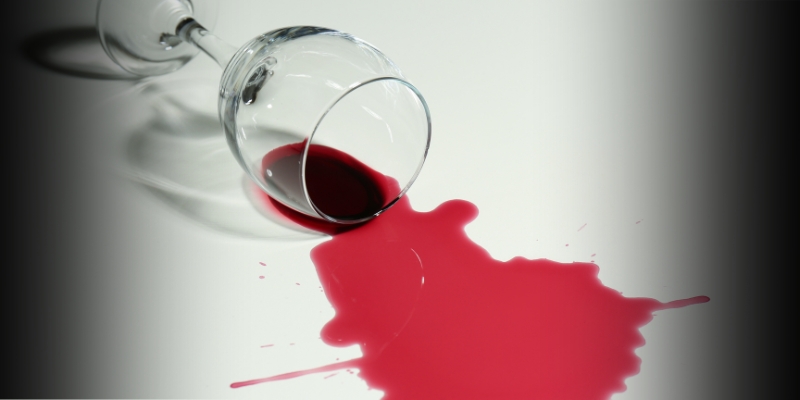
Finally, this approach can filter into the protagonist’s perception, which can establish character. Someone terrified of snakes might regard a garden hose as a coiled viper. A splotch of spilled ketchup might be initially thought of as blood. A sheriff’s deputy who survived a night with a killer might regard the surrounding woodlands in daylight as ominous and threatening, the impartial chirping of birds in the trees as mocking laughter. Details like this reveal state of mind and immerse the reader in that state of mind, while setting tone, atmosphere, and mood.
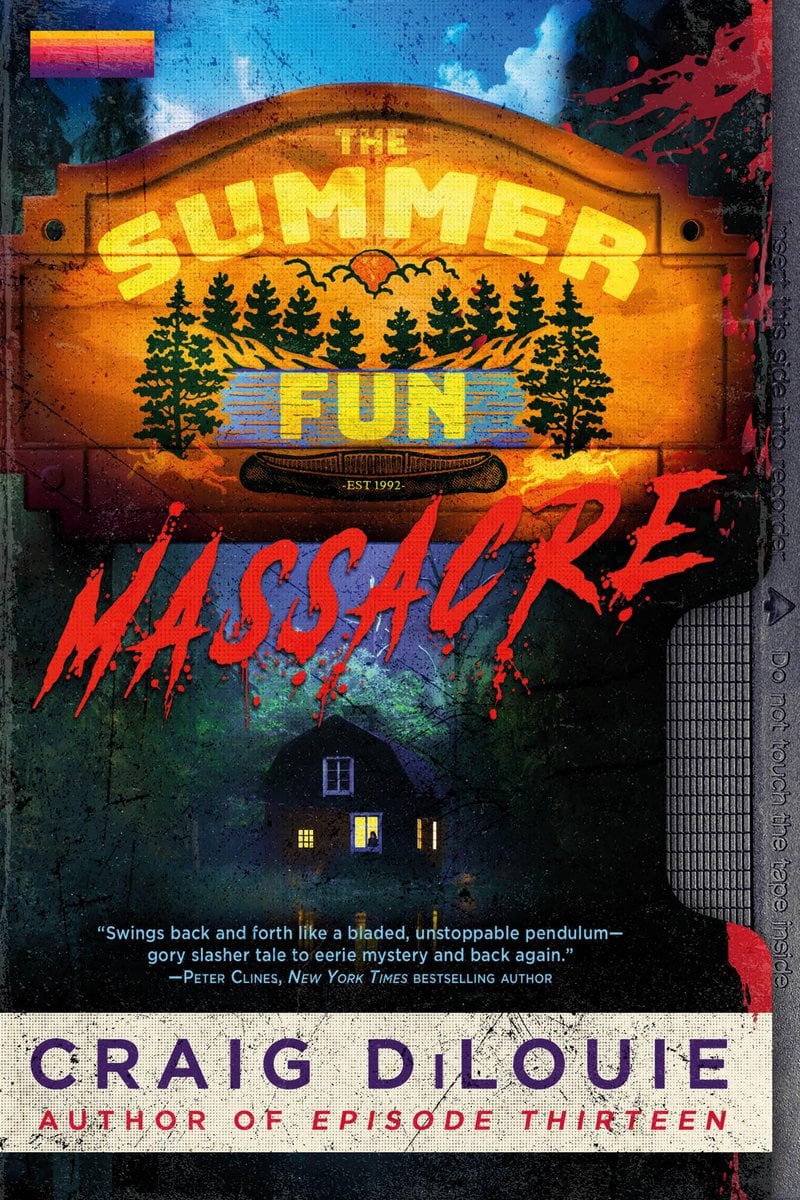
For me as a horror author, inversion and subversion of places and tropes is bread-and-butter story craft to make the familiar fresh—and frightening. In my upcoming (June 2026) horror novel The Summer Fun Massacre, we see the classic summer camp slasher story inverted by telling it through the eyes of one of the subgenre’s most trusty tropes: the not-too-bright sheriff’s deputy who arrives too late to help and who works for the sheriff who doesn’t believe the teens.
From this inverted trope we have a whodunnit—a cross between a crime and a supernatural horror story—in which the deputy’s entire sense of normal is turned upside-down and in which everyone he trusts is a potential suspect. In the sequel releasing November 2026, The Yule Day Slaughter, horror overtakes the holiday season, and we learn the summer camp isn’t the only unsafe place.
Overall, finding the fear and the freaky in the familiar is why we love darker fiction. Stories that takes you on a twisty rollercoaster ride. That raise a fractured mirror to the human soul and society. That challenge and linger. And most important, delight the senses and imagination.
***

Craig DiLouie
Craig DiLouie is a horror author with seven horror novels published by Hachette Book Group and one with Simon & Schuster. His latest contribution to the genre is the Slasher Season duology, consisting of The Summer Fun Massacre (June 2026) and The Yule Day Slaughter (November 2026). Learn more at CraigDiLouie.com.