Jessica Payne on Antiheroes, Gender, and the Rise of Female Pyschopaths in Fiction
The author of Somebody Worth Killing unpacks the complex allure of the morally gray woman
Readers love a psychopathic antihero. Give them someone fascinating, morally complex, someone who, despite their possibly homicidal tendencies, is loveable. Maybe even a character who makes the reader feel seen in the darker moments of their own life.
I am of course talking about Dexter, Joe Goldberg from You, Walter White from Breaking Bad, Patrick Bateman from American Psycho, and Tony Soprano from The Sopranos. These men are beloved in our culture. They are objectively terrible people—yet in a way, we understand why they do what they do, however horrific it is.
They are also all men.
Where is the psychopath antihero who is a woman? And I don’t mean a femme fatale or a vengeful cat woman in bosom-hugging leather. I mean a truly complex female character who is a psychopath.
Publishing and media have long fought off the idea of a female psychopath in fiction. I know authors (myself included) who were told not to write these characters, that they wouldn’t work in publishing—but why not? Editors and agents informed us that our female characters needed to be likable, someone the reader could connect to… suggesting that readers would not connect to women who were anything other than stereotypically good.
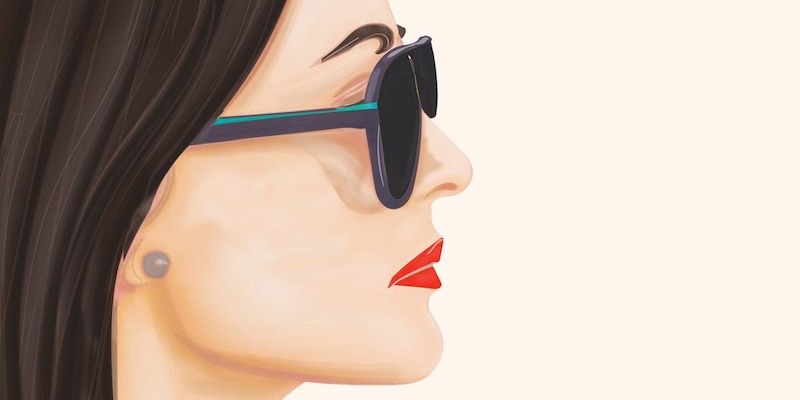
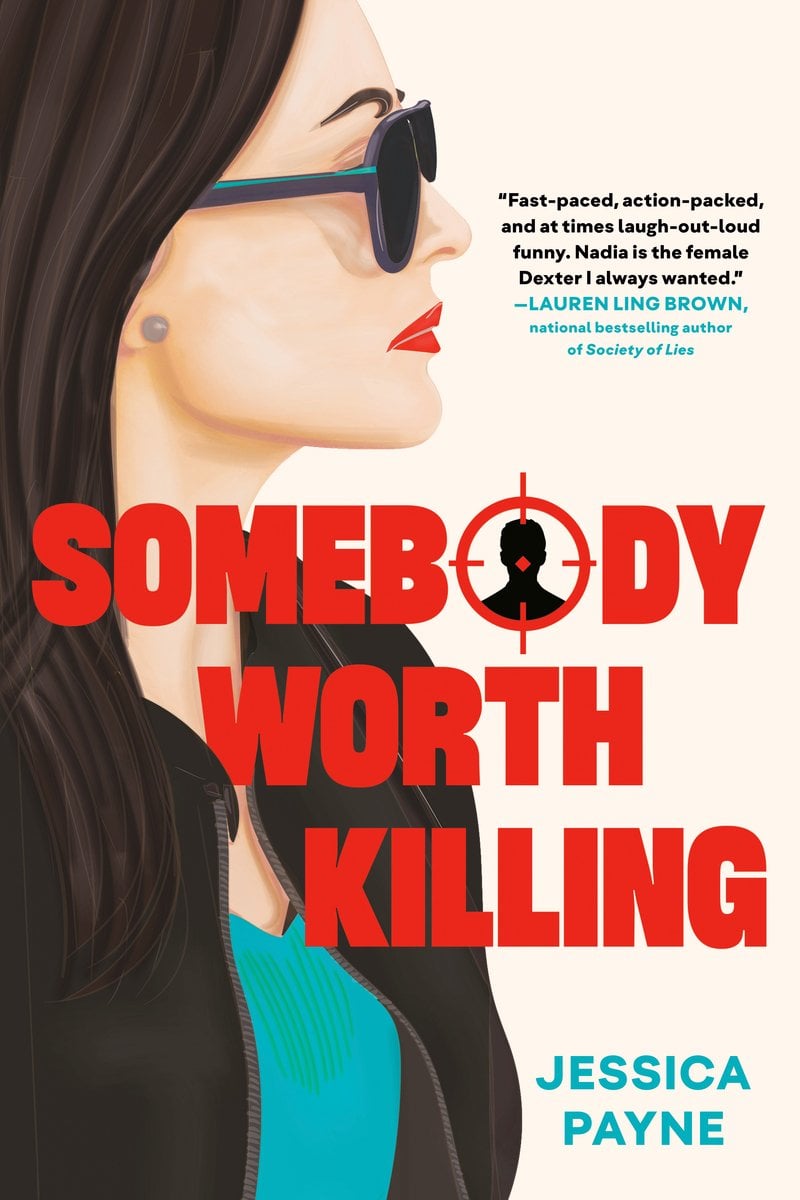
Yet my latest thriller, Somebody Worth Killing, features the psychopathic Nadia Davis, mom, wife, and secretly, an assassin. It’s publishing with Berkley (Penguin Random House) this summer.
So, what changed?
How is it that years after someone told not to write a character like Nadia, she’s getting not just one book, but two? Why has it taken so long for female characters to join the likes of Dexter and Joe Goldberg?
Marissa A. Harrison, author of Just as Deadly: The Psychology of Female Serial Killers, suggests it’s because society views women as nurturing sorts. The last thing they would do is commit murder in cold blood—right?
Or it might be that women have long been cast as archetypes rather than a fully fledged characters—they are whores or crones, the hot girl or the smart girl, representing whatever they are to the male gaze. You might see a dangerous woman in a movie, but is she a completely fleshed-out character? Does she have a voice? Values? Is she meant to be understood, or is she sexualized and left flat?
If you spend much time studying psychology, you’ll quickly hear that people in powerful places—CEOs, presidents, etc.—are statistically more likely to have psychopathic tendencies. As women are increasingly gaining ground in these roles, perhaps we becoming used to the idea of powerful women—including psychopaths—in powerful roles.
These days, morally gray characters are becoming mainstream—celebrated. But that was not always the case. The dominant culture (white men) had to normalize psychopaths being heroes before women could dare step foot in the arena.
But having a psychopathic woman character is also simply interesting. Given the way women are traditionally represented in stories—wives and mothers and daughters and sex objects, always in relation—being a psychopath creates an inherent conflict. The psychopath is one-of-one, the original loner. How can one be a mother and a killer? In service to others, yet in psychological isolation. It’s morally complex, and readers and audiences can’t get enough of it.
The world is changing. Culture follows reality. While we are nowhere near a perfect world, the #MeToo movement kicked off a fourth wave of feminism, of women not being afraid to speak out, to speak up, to stop apologizing, and instead, to boldly be who we are.
More and more often we see female characters represented in a more nuanced way. A woman isn’t just a mother, as she might have been portrayed in TV shows of old (think Leave it to Beaver’s June Cleaver or That 70s Show Kitty Forman). Women are real people now. They have hopes and dreams, shiny exteriors, and dark interiors. Sometimes very dark.
It may seem odd to argue that it’s a good thing female psychopaths are showing up in literature, but if female characters are emerging as real, fully developed humans, we are embracing the fact that they are not all sunshine and roses, or merely viewed via their relationship to men (as daughter, mother, wife)—they are also full of complex psychological issues and dark desires, including psychopathy.
The mere fact that we have to ask why the world is ready for female psychopaths in fiction points to a double-standard which is, simply put, sexist. Ruth Bader Ginsburg is credited with saying that women belong all the same places men do—why not as psychopaths who channel their need to kill into being assassins?
Finally, women are deadly, too.
And honestly? It’s about damn time.
The Authors Guild reports that women purchase roughly eighty percent of all fiction books. Most of us don’t actually want to kill anyone, but we are not little ladies in white aprons mixing up a cocktail for our husband who has been working all day while we vacuum and dust. We are badasses. We are business owners. We might also be daughters and wives and mothers, but we are so much more than that, and we’re looking for our reflection in the books we read.
Why shouldn’t we have morally complicated women? Why shouldn’t we see our darkest moments reflected in fiction?
Female psychopaths have been a long time coming, and with that, I give you my very own Nadia Davis. She’s a mom, a wife, and a psychopath. She has a family, desires, wants, and needs, and is a fully fleshed out person. She could also take on Dexter, Walter, or Joe, and still make it on time to pick up the kids from school.
***

Jessica Payne
Jessica Payne is the author of Somebody Worth Killing. She lives in Washington State with her daughter and husband and an internet search history that would raise eyebrows. A firm believer in strong coffee and stronger women, she writes about mothers who know how to handle a sniper rifle and a carpool schedule with equal precision. When she's not writing, you'll find her trail running through the forests of the Pacific Northwest as she plots her next fictional murder. She is the creator of the Substack community One Tired Mother.