
Paige Shelton on What Bones Can and Can't Reveal in Mysteries
A look into forensic anthropology and DNA evidence from the author of The Bone Woman
There are several “bone sciences,” but those of us who read a lot of crime fiction are probably most familiar with forensic anthropology. Remains of a skeleton are found, and investigators test and measure them to look for answers as to what happened to the person who used to be. I love all parts of a good mystery, but the bones have always been my favorite clues; the things they reveal, the secrets they uncover.
Of course, bones can’t tell us everything.
They might help us understand the age of a person when they died, uncover their diet or daily activities, or possible diseases they long suffered. But unless the appropriate DNA is there to test, they can’t tell us things like eye or hair color. We can’t know if the person was recently poisoned or had a heart attack. They can’t tell us about personality traits or freckles or tattoos. Bones can’t tell us everything about facial features.
Reconstructions are possible, but still, we can’t be sure they’re accurate. And time of death is not easy to pinpoint with just bones.
They can’t tell us about mental health or how a victim chose to be in the place they were when their life ended or was taken. Who they might have been afraid of, or who was afraid of them.
The good news though is they can sometimes point in the right direction to uncover those answers. We begin with bones, but it’s the scars and stories that ultimately give them a voice. It’s always good to have a place to start. It takes some deep digging (figuratively and sometimes literally) to bring together the whole story.
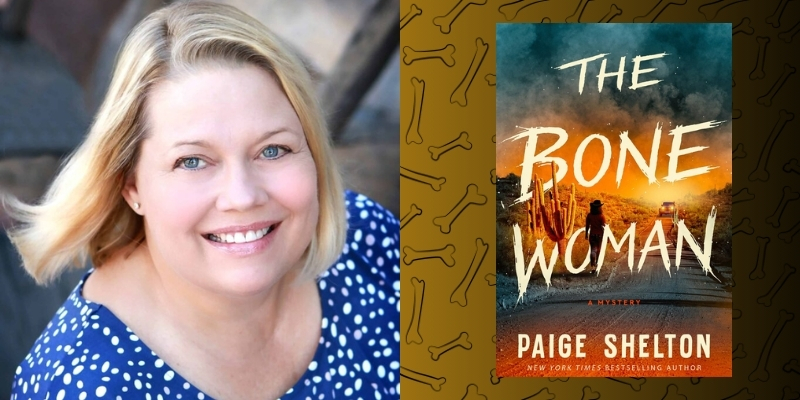
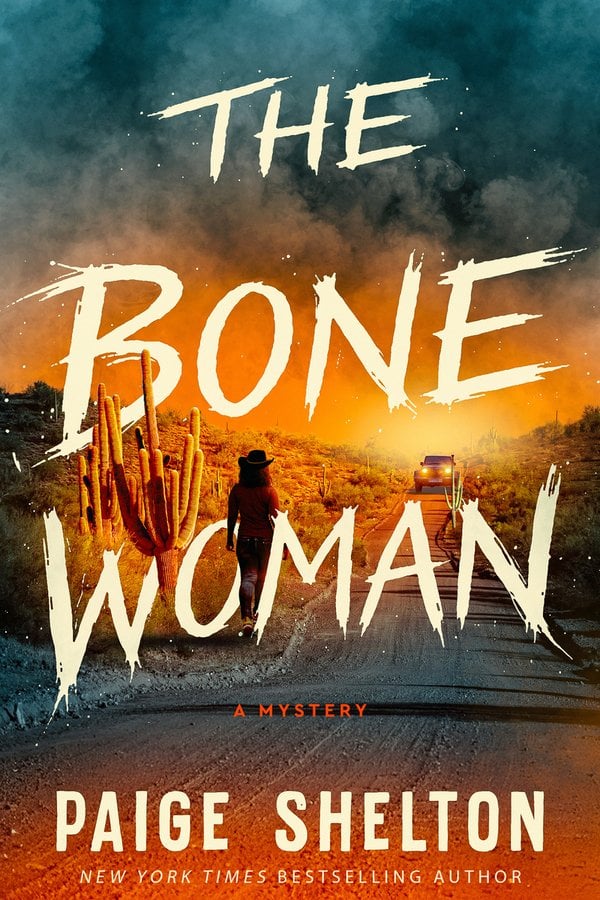
In my new book, The Bone Woman (October 27,2026, Crooked Lane), the protagonist, Hazel Dylan knows bones. As a forensic consultant, she’s often brought in to a crime scene or an anthropological discovery because she understands the stories bones tell.
Her talent was sparked by her time as a child watching her taxidermist father at work. There might not have been anything cooler to the young Hazel than a mountain lion’s femur.
But Hazel’s talents stretch beyond the obvious, past the facts that bones can illuminate. To solve a mystery, she “reads” the bones, sure, but she’s always going to dig deeper. Her talent is in her insight and curiosity, sometimes uncovering secrets the other investigators can’t see.
Bones prove a person once existed, but forensic science ensures they did not die in silence. Everyone leaves a record behind, and every person deserves to have it read. Hazel thinks that bones make a perfect Chapter One. She lives for writing the rest.
Thanks to CrimeReads for the chance to stop by today. And, as always, thank you, readers!
***

Paige Shelton
Paige Shelton had a nomadic childhood as her father’s job as a football coach took the family to seven different towns before she was even twelve years old. After college at Drake University in Des Moines, Iowa, she moved to Salt Lake City where she thought she’d only stay a few years, but she fell in love with the mountains and a great guy who became her husband. After a couple of decades in Utah, she and her family recently moved to Arizona. She writes the Scottish Bookshop Mystery series, which begins with The Cracked Spine. Thin Ice is the first in a new series.