

Trauma Talk: 4 Mystery Novels and Series Where the Protagonist Gets Therapy
Barry Lyga recommends hero-in-therapy stories by Jussi Adler-Olsen, Stephen White, and more
The protagonists of crime novels witness a lot. These poor folks are slammed on the regular by the most awful human behavior imaginable, all for our entertainment. It has to take a toll. Long gone are the days of Marlowe and Chandler, when private eyes medicated their wounded psyches with a quart of middling whiskey and an appreciative leer at their femme fatale clients. In the past, our heroes’ traumas would rate a mere mention if anything all, a flashback at most.
Let’s face it—all of these people should be in therapy, plumbing their own depths with the same verve they apply to solving mysteries. But it’s actually hard to find examples of such, even as mental health becomes more and more ever-present in our culture and as emotional issues are de-stigmatized.
But some authors have begun to acknowledge that a contemporary investigator—professional or amateur—could really benefit from a little head-shrinking to get through the day and survive with enough psychological stability to continue satisfying the readership’s bloodlust. In my own I Hunt Killers trilogy, young Jasper Dent suffers monumental traumas as the offspring of prolific serial killers.
And so when I sat down to continue Jasper’s story in his adulthood, I knew that therapy would have to be a massive component of the tale. Just because the bad guys have been defeated doesn’t mean that the hero can simply forget everything he’s seen and heard. By any realistic measure, he’s going to need therapy for the rest of his life…like many other sleuths do.
Here are some examples of heroes-in-therapy I’ve enjoyed since returning to Jasper Dent’s dark world and abused psyche…
*
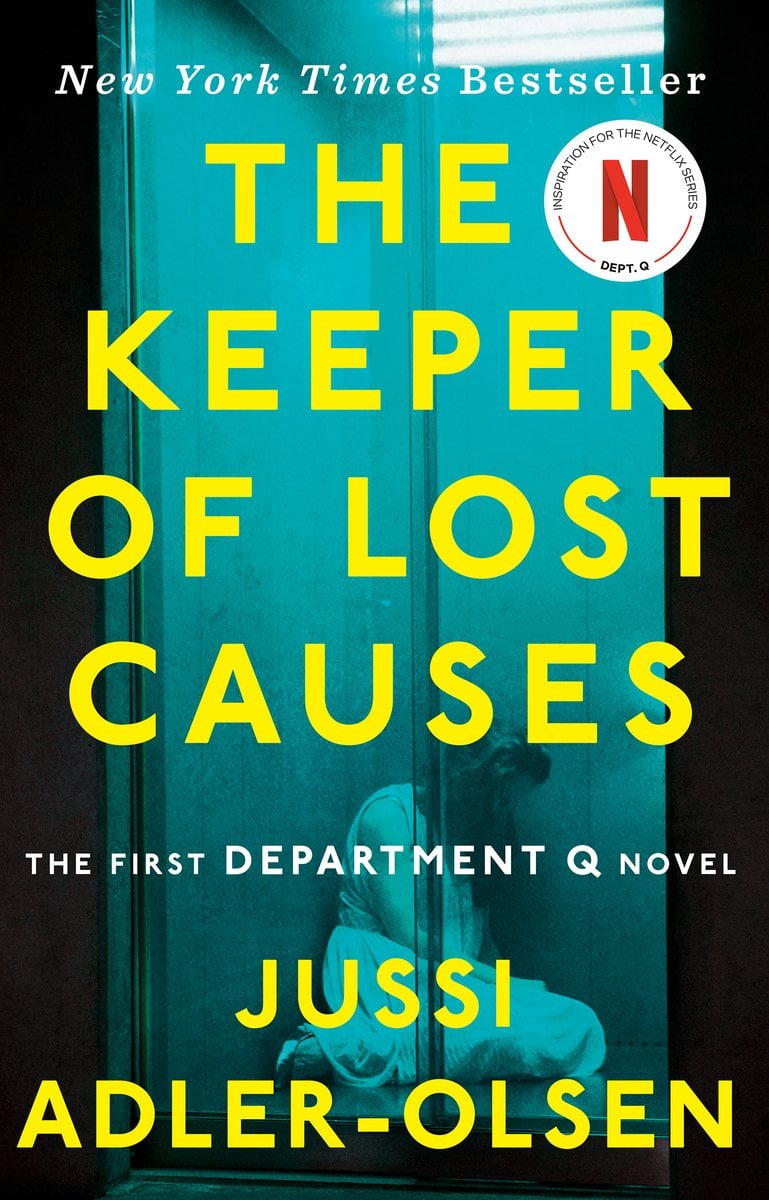
Jussi Adler-Olsen, The Department Q Series
Adler-Olsen’s Danish sensibilities are all over this wonderful series about a traumatized cop who is used as a pawn in the financial games of his higher-ups. Burned out and in pain, Detective Carl Mørck is given the reins at Department Q, a sort of upside-down sinecure in which he is supposed to investigate cold cases, but without much in the way of resources…because his superiors are siphoning off the department’s funding for their own purposes.
Bad enough for poor Mørck, but what makes it worse is why he’s traumatized: before being shunted away in Department Q, Mørck participated in an investigation that ended with one partner being killed and another paralyzed. Oh, and his wife left him, and now Mørck not only takes care of his stepson, but also has his paralyzed partner living with him.
A dude in serious need of therapy, so it’s no wonder he begins getting the help he needs from therapist Mona Ibsen…with whom he falls in love: a classic case of transference that is a very real risk in therapy, so kudos to Adler-Olsen for acknowledging and including it!
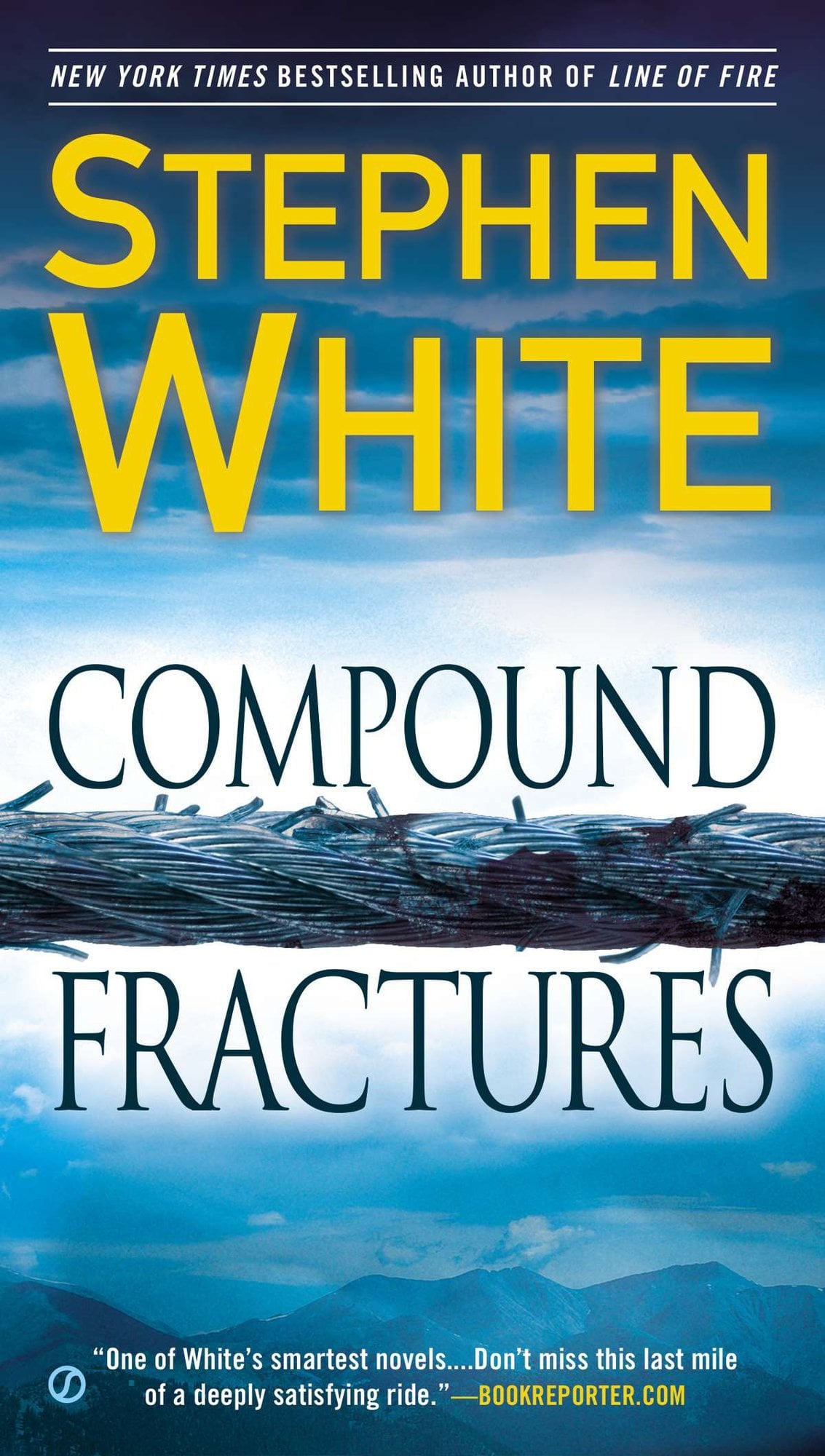
Stephen White, The Alan Gregory Novels
Given that the eponymous Gregory is a clinical psychologist, it could almost seem like a cheat to include him on the list. But Gregory (and author White, himself a psychologist) knows the value of having your own head shrunk a little every now and then. Over the course of twenty novels, Gregory’s involvement in specific crimes waxes and wanes, but he is always at least tangentially involved, which ultimately takes a toll.
After a series in which Gregory finds himself accused of the murders of several of his own patients, must contend with the murder of his wife’s boss, suffers the terror of a psychotic patient hunting him and his family…and finally, in the nineteenth book, undergoes the sheer horror of the murder of his own wife, it’s no small wonder that the twentieth and final book in White’s series (Compound Fractures) opens with Gregory in therapy himself, dealing with all the decisions he’s made for good or ill over the course of the series.

Kevin O’Brien, Unspeakable
Not all investigators are professionals…or even adults. O’Brien’s book is a two-hander, swapping back and forth between Collin Cox and Olivia Barker, his reluctant therapist. Collin suffered a serious trauma as a child actor and thought he was over it…but now has come to believe that he is possessed by the spirit of a murderer who committed his crimes decades before he was even born. And much to Olivia’s shock, Collin seems to know things only the murderer would know.
Collin demands more and more from her, insisting she help him figure out how he can possibly know such things and what it all must mean. Their relationship drags them both into decades-old crimes that begin to impinge on the present, as violence stalks them both. Desperate, Collin needs to know: Is he possessed or just crazy? Only Olivia can help him figure it out, assuming she survives.

Lisa Gardner, Alone
Massachusetts State Trooper Bobby Dodge is a good cop and a crack sniper. When he’s called in to a hostage situation, he watches carefully through his scope as a husband threatens his wife…and when the man raises a gun, Dodge does the only thing he can do: He eliminates the threat with an expertly placed round in the man’s skull. It’s all by the book; tragic, but standard procedure.
What follows is anything but standard, though. First, there’s the come-down from the adrenaline rush. And then there’s the second-guessing from his higher-ups. And then, to make things worse, there’s the insinuation that Dodge acted not to save a life, but rather to eliminate a rival for the wife’s affections.
Spiraling and assailed on all sides, Dodge finds himself in the care of Dr. Elizabeth Lane, a therapist working for the police department. Gardner expertly weaves the tale of Dodge overcoming his reluctance to therapy into the story of his personal investigation into what actually happened the night of the shooting, meaning that readers get to see healing and detective work reinforce each other, proving that therapy makes us stronger, not weaker. Gardner also wisely includes scenes from Lane’s POV, so that we can see Dodge’s progress even in those times when he cannot see it himself.
What are your favorite examples of investigators getting the help they so desperately need?
***
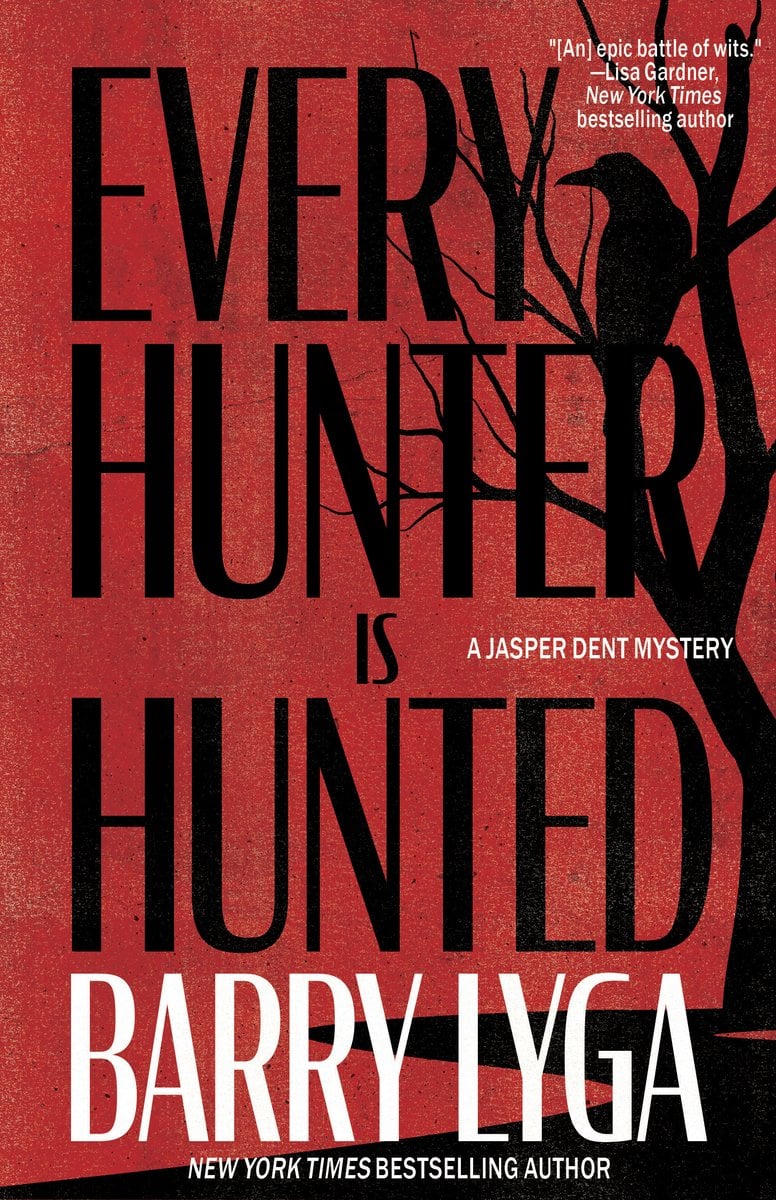

Barry Lyga
Barry Lyga is the author of more than twenty-five books for teens and adults in a variety of genres, including the New-York-Times-bestselling I Hunt Killers and Thanos: Titan Consumed, the origin of the greatest villain in the Marvel Cinematic Universe. He won the Kentucky Bluegrass Award for I Hunt Killers and was named a Kentucky colonel by Governor Steven Beshear in 2015. His novel Boy Toy was lauded as "an astounding portrayal of what it is like to be the young male victim" and yet has been banned in multiple districts throughout the United States for its unflinching portrayal of child abuse.