What to Watch Now: The Witch (2015)
A deeply immersive, unsettling horror film set in Puritan New England.
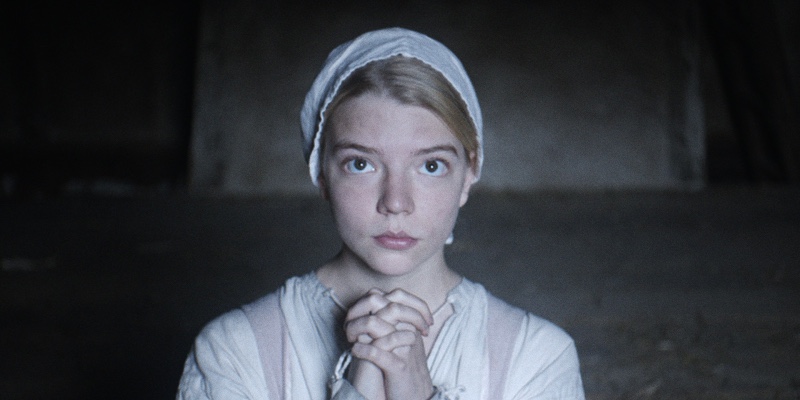
Why this film: Gorgeously shot, beautifully scripted, and acted, and set in 1600s New England, The Witch follows a devout Puritan family who are banished from their settlement. They set up a farm in a remote location near some woods, and one day, while their oldest daughter Thomasin (Anya Taylor-Joy in her debut film role) is looking after the baby, the infant mysteriously disappears. That’s when their close-knit unit begins to fray.
Over time, the family begins to suspect Thomasin of being a witch. What makes the film so remarkable is that it doesn’t provide an alternative reason for the baby’s disappearance or undermine the family’s beliefs. They believe witches are real and so, in their world, witches are real—and that is how the movie treats them. This makes for a viewing experience that’s unexpected, immersive, and frightening.
Apart from a brief opening scene in the larger Puritan settlement, the film takes place in the environs of the family’s remote farm and you get a sense of how isolated these settlers were. No one comes by, they must do everything for themselves. Their lives are steeped in religion and anything that happens to them—from falling sick to getting lost in the woods—has a spiritual explanation. This is far from how we live now, but director Robert Eggers treats belief as so integral to the family’s life that as viewers, we are forced to suspend disbelief, and see the world as they do.
What they said: Meticulous attention to detail contributes to the film’s authenticity—night scenes were lit only by candles and Eggers brought in period experts to construct the family’s home using only 17th-century techniques. The film was shot in 25 days, of which Eggers says: “All the money went on screen, no cell service, no wifi. Not enough toilets.”
The dialogue has a weighty, Biblical feel too, which is the result of Eggers collecting diaries and journals from the time and weaving the language that he found into the characters’ language. Discussing the lack of separation between reality and fantasy, Eggers explains, “In the early Modern period, the real world and the fairytale world are the same thing, so you’re not telling yarns as fiction about witches around the campfire. I mean it’s just a reality. When someone calls you a witch, they really believe that you’re capable of doing things fairytale witches can do.” Or as he puts it earlier, for the Puritans: “A witch is a witch and a tree is a tree and a rock is a rock.”
The Witch was Eggers first feature but he’s always been interested in folklore and fairytales. His previous shorts, Hansel and Gretel and The Tell-Tale Heart can be found on YouTube.
Written and directed by Robert Eggers. With Anya Taylor-Joy, Ralph Ineson, and Kate Dickie. 92 minutes.
Streaming on HBO Max, Hulu, multiple platforms.

Radha Vatsal
Radha Vatsal is the Film/TV Columnist for CrimeReads. She is the author of No. 10 Doyers Street and the Kitty Weeks mysteries, and her essays have appeared in the The New York Times, The Atlantic, the Los Angeles Review of Books, and elsewhere. She holds a Ph.D. in Film History from Duke University. You can find her on Instagram or email: rvatsal@lithub.com