5 Great Novels That Read Like Bad Trips, Fever Dreams, or Reality Warps
Lindsay Kent recommends gloriously unhinged tales by Steven Hall, Marisha Pessl, and others
I’ve been chasing the strange, the surreal, and the utterly reality-warping in fiction ever since I first cracked open Fear and Loathing in Las Vegas in college. Since then, I’ve spent years combing through blogs, Reddit threads, dusty bookstore shelves, and late-night recommendation rabbit holes in search of the next book that might completely melt my brain.
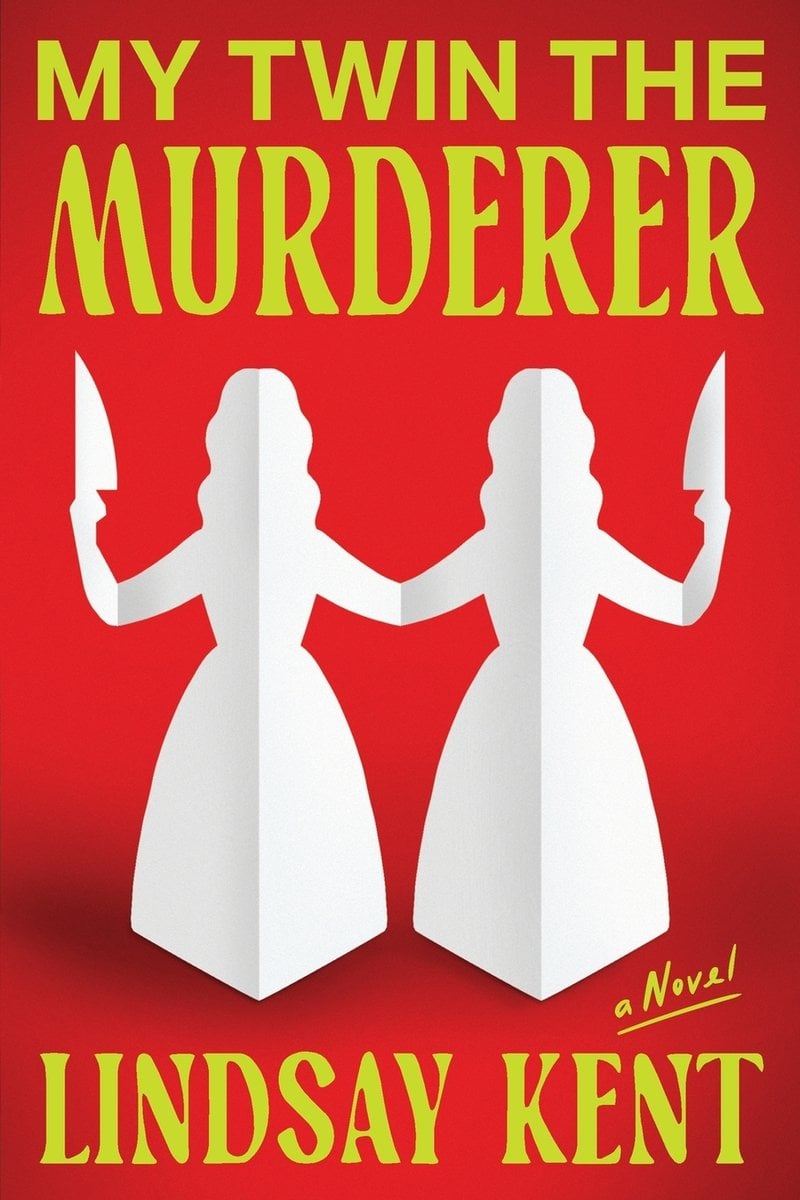
I never expected to write one myself. Then ten years of documenting counterculture and excavating psychedelic history collided, and the story came roaring to life.
In My Twin the Murderer, estranged identical twins are forced to battle a murder accusation, the psychedelic mafia, and each other to prevent catastrophe and clear their names. In this world, identity isn’t fixed—it’s a weapon, a disguise, a blood-slick hallucination.
What unfolds is a psychedelic murder thriller soaked in mirrored selves, fractured memory, and the creeping suspicion that reality itself has been altered. It’s a neon-lit psychodrama where twinship becomes psychological warfare, and every revelation lands like another tab dissolving under your tongue.
Over the past two decades, I’ve found inspiration in some genuinely unhinged literary masterpieces. Here are five of my favorite trippy novels, where time distorts and nothing is what it seems.
*
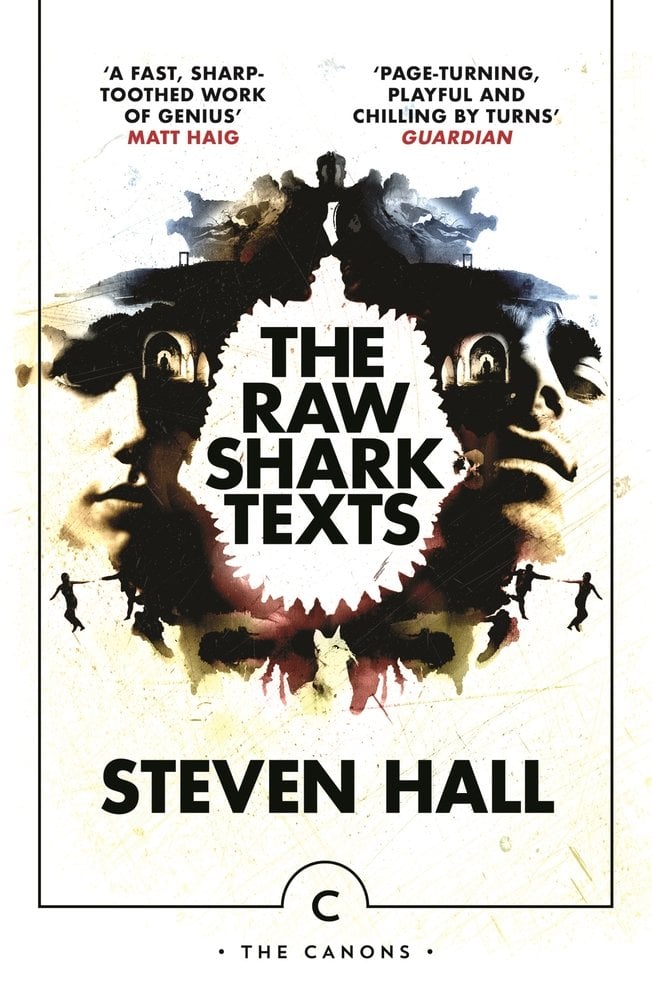
Steven Hall, The Raw Shark Texts
Eric Sanderson wakes up with memory loss and discovers he is being hunted by a conceptual predator: the Ludovician, a sharklike entity that swims through language, thought, and consciousness itself. As he pieces together messages from his former self, Eric is pulled into a surreal battle for identity, memory, and survival that transforms amnesia into existential warfare.
What makes this book feel so gloriously brain-fried is its absolute commitment to the idea itself as predator. Hall turns thought, language, and memory into something actively dangerous, culminating in a jaw-dropping fifty-page flipbook of a shark barreling straight at you.
Layered with pop culture detritus, visual experimentation, and typographic weirdness, the story moves like a psychological pursuit through a mind in freefall—equal parts thriller, fever dream, and existential panic attack, all haunted by the terrifying possibility that information itself can devour you.
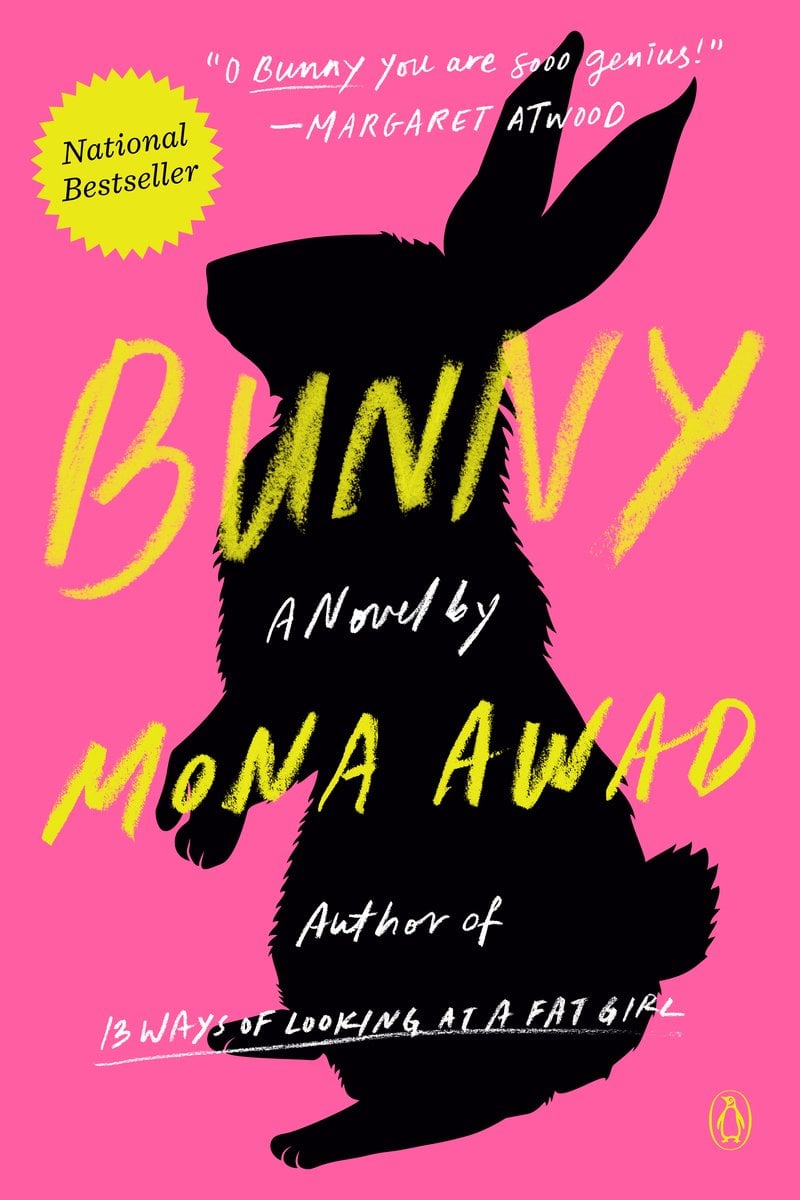
Mona Awad, Bunny
Samantha Heather Mackey, an isolated outsider in a prestigious MFA program, is drawn into the glittering orbit of the Bunnies—a clique of unsettlingly sweet, wealthy young women whose saccharine charm masks something deeply bizarre. What begins as a razor-sharp satire of elite creative culture gradually warps into a surreal descent where artistic ambition, obsession, and identity blur into something increasingly monstrous, as the boundaries between performance and transformation start to dissolve.
I love this book. It has everything sharp and vicious I loved about Heathers but somehow gets even weirder. What makes Bunny so effective is the way it takes pastel, hyper-feminine aesthetics and slowly turns them unsettling. Awad fills the novel with surreal social dynamics, abrupt tonal shifts, and just enough dream logic to keep you constantly questioning what’s real—is this performance, delusion, or something supernatural?
The pacing is fast, strange, and increasingly unhinged, pushing sweetness so far that it becomes disturbing, then grotesque.
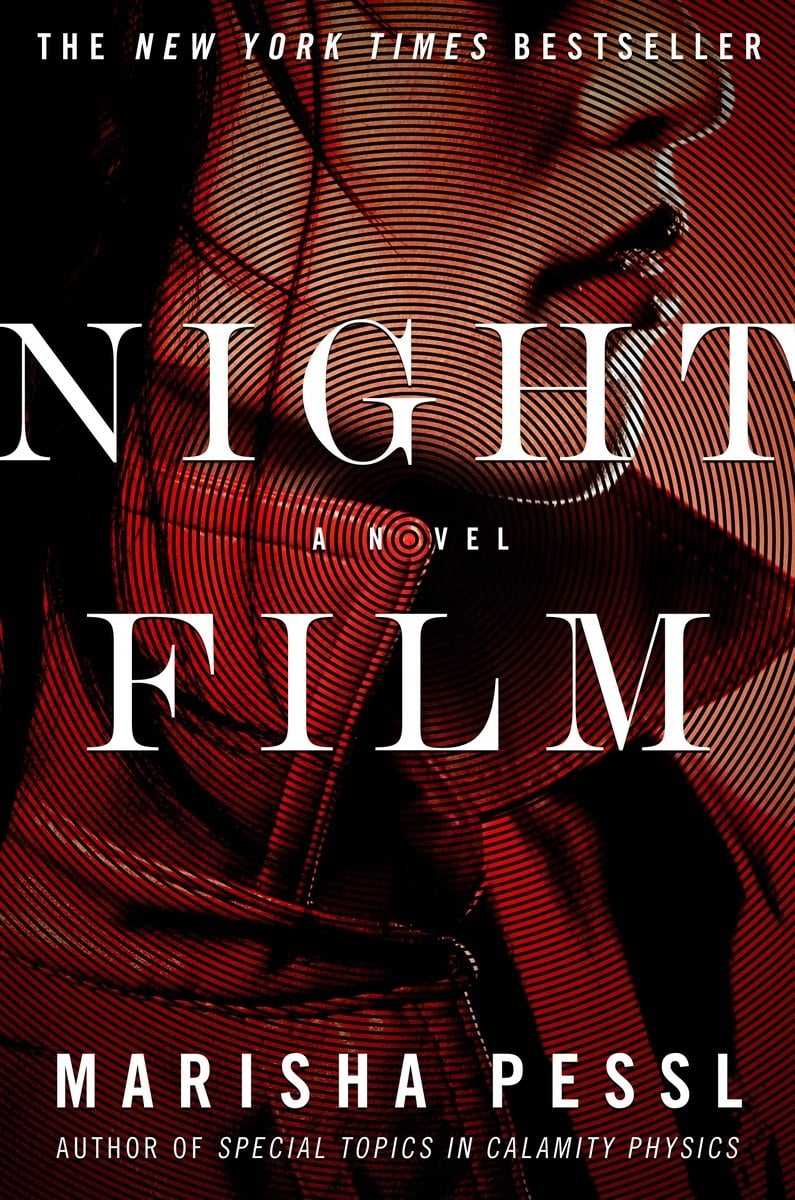
Marisha Pessl, Night Film
When the daughter of a famous, deeply reclusive cult horror director is found dead under suspicious circumstances, investigative journalist Scott McGrath becomes consumed by the case. What starts as an attempt to uncover the truth pulls him into a shadowy world of underground art, buried histories, and escalating obsession, where myth and reality become increasingly difficult to separate.
What makes Night Film so absorbing is the way it draws you into a state of creeping paranoia. Pessl blends noir, investigative journalism, and psychological unraveling through multimedia elements, fake documents, and layered mysteries that make the story feel larger, stranger, and more unsettling with every chapter. The pacing feels like an all-night spiral, as though you’ve fallen down a conspiracy rabbit hole and can’t stop clicking, with each new clue feeling darker and less trustworthy than the last.
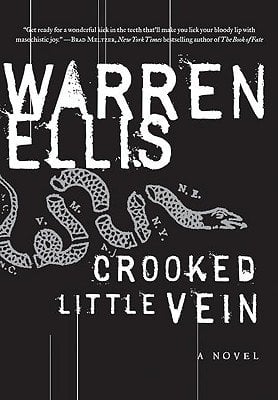
Warren Ellis, Crooked Little Vein
Private investigator Michael McGill is sent on a mission to recover a secret U.S. Constitution, but his case quickly devolves into a grotesque odyssey through the strangest subcultures, sexual underworlds, and moral sinkholes America has to offer. What starts as noir becomes a savage carnival of political and personal depravity.
Its hallucinogenic charge comes from Ellis’s relentless escalation and feral satirical energy. Every chapter feels like a fresh descent into some chemically irradiated corner of society, with grotesque humor and social commentary fused into a gonzo fever sprint.
I certainly pulled from this to portray certain subcultures in my novel. The pacing is chaotic, vulgar, and intentionally overwhelming, creating the sensation of a detective novel having a public nervous breakdown.
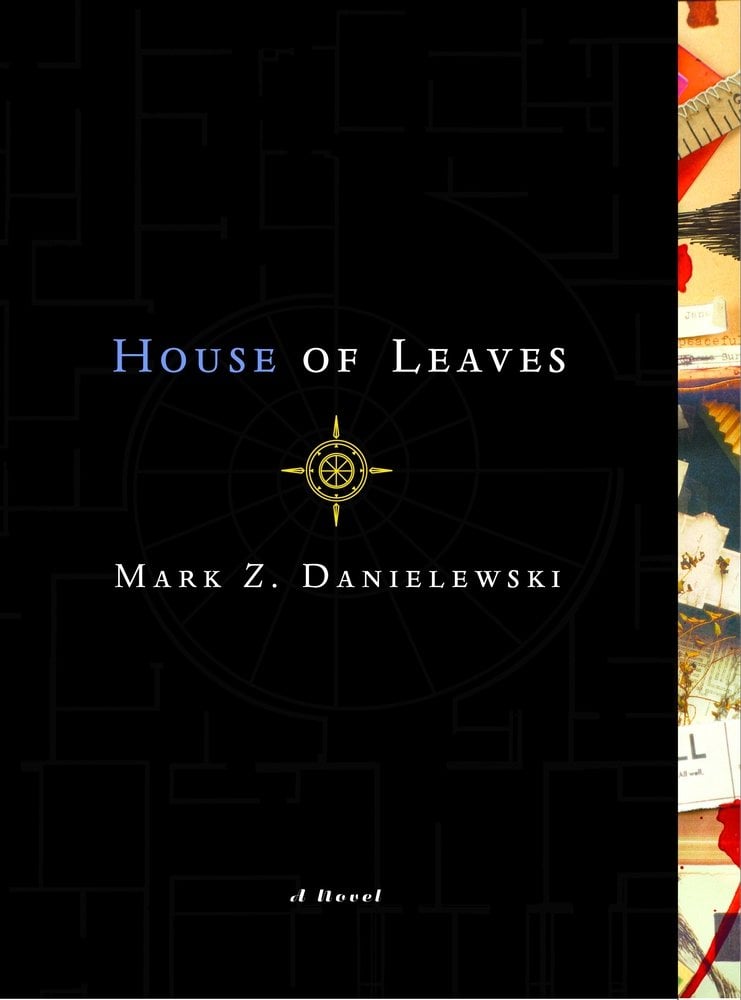
Mark Z. Danielewski, House of Leaves
A young man discovers a manuscript about a family whose home contains a physical impossibility: a shifting, expanding interior space larger than its exterior dimensions. As he edits and annotates the text, his own sanity begins to unravel, creating a layered narrative of obsession, horror, and textual instability.
House of Leaves feel less like a book and more like a beautifully cursed psychological event in its formal madness. Danielewski turns typography, page design, footnotes, and narrative fragmentation into active agents of dread. The reading experience becomes architectural: claustrophobic one moment, infinite the next. It’s not simply a thriller—it’s a full sensory destabilization, a labyrinth disguised as literature.
***
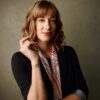
Lindsay Kent
Lindsay Kent, aka The Hallucinarrator, is an award-winning filmmaker turned fiction writer whose work explores the luminous edges of consciousness and psychedelics. Her films include the 2014 documentary Going Furthur, retracing the arc of MKUltra and America's counterculture; the Gaia docuseries Plant Medicine, set at an Ayahuasca retreat center in Costa Rica; and the acclaimed comedy short The Split, about life with (and without) an ego. Now returned to her first love-fiction-Kent blends a filmmaker's eye with a psychonaut's curiosity, blurring the boundaries between science and spirit, cinema and literature. Her debut psychedelic thriller, My Twin the Murderer, the first installment in a new novel series, will be released June 20.Across mediums, her work shares a singular aim: to bridge reality and the beyond through stories that are accessible, entertaining and transformative.More at TheHallucinarrator.com.