
Courtney Psak on the Narrative Potential of Sibling Rivalry in Thrillers
The author of The Aunt creates story stakes through familial tension
For most, there is nothing more important than family. It’s a bond that sticks with us, no matter where we are in life. This could be with the families we were born into or the families we keep, but it’s deep-rooted connections that carry with us throughout life. It involves people that you love and love to hate, but there is no denying that when a call comes from one of them, you will ultimately be there, like it or not.
It’s a great theme for a thriller, especially when it comes to siblings, because they are often in constant competition with each other, whether they realize it or not. One of the most obvious reasons is for the approval of a parent. That insecurity of being less favored will drive a person to prove their worth and jockeying for that approval is what ultimately leads to the tension between them.
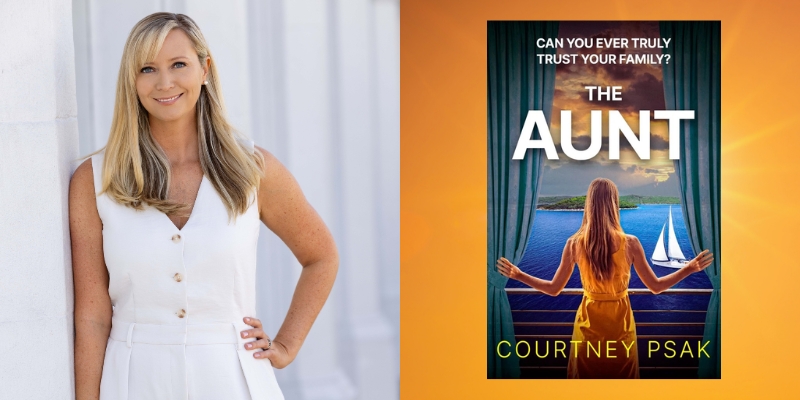
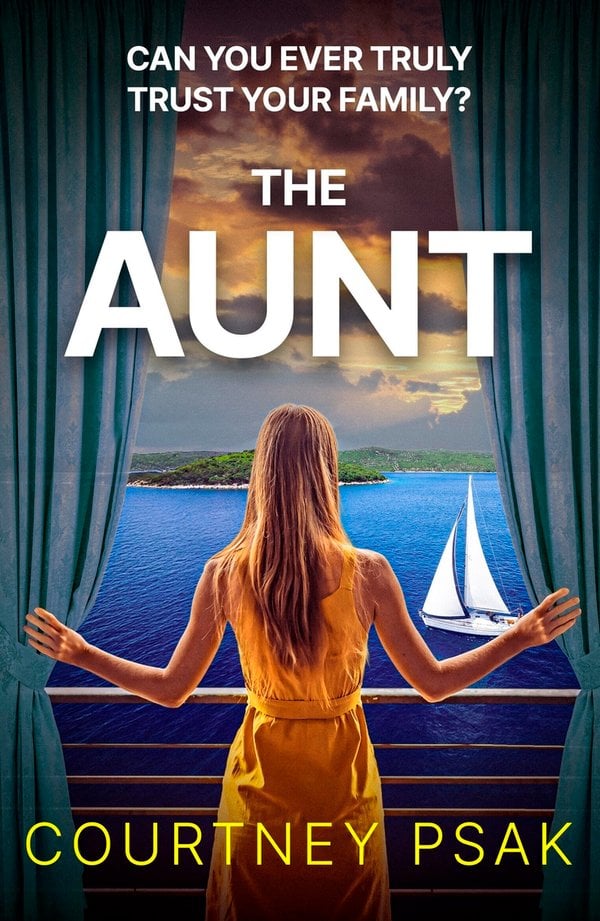
My new book, The Aunt, explores the sibling rivalry between sisters Amy and Lexi. They were constantly at each other’s throats growing up, but after their mom passes away, a much older Amy takes over the role of matriarch. Lexi, knowing that she’ll never measure up to her responsible sister, rebels. After all, Amy is not her mother, and therefore she shouldn’t have to listen to her.
Despite being related, siblings can have completely different personalities with opposite views of the world. They may grow up in the same home but feel they were raised differently. Their parents may be more controlling over the child that sneaks out every night and give more freedom to the one who is more well-behaved.
There, of course, are other factors that contribute to this, for example, gender or birth order. Maybe a daughter is more restricted than a son. Or the first born has to fight for their freedom while the third child gets away with everything. “Why did I get in trouble and they didn’t?” they may ask themselves. “They always get what they want.”
This is another reason there is so much tension between Amy and Lexi. Despite all her mistakes, Lexi is the one who has ended up with the seemingly perfect life, and that ultimately makes Amy jealous. After all, she was the one who followed the rules.
The tension between them is like a bungie cord pulled in opposite directions until it finally snaps them both together when Lexi is killed in a tragic boating accident, leaving Amy to pick up the pieces. Amy is set to inherit Lexi’s entire fortune, including a mansion in Palm Beach and a newborn niece she never knew she had.
The best part of sibling rivalry is the secrets that they keep. They don’t feel the same obligation to tell each other the truth or explain their actions as they would a parental figure. When Amy discovers that Lexi’s accident was actually murder, she has to figure out who her sister really was to narrow down the suspects. With a seedy past like Lexi’s, the killer could be anybody.
You may be asking yourself why Amy would feel obligated to solve her sister’s murder when they were estranged. The answer is not a selfless one. Amy is the FBI’s prime suspect. Her freedom depends on it.
Lexi may have been the perpetual screw up, but she reinvented herself by marrying into a wealthy family and having a baby. Amy, on the other hand, is getting divorced and on the verge of financial ruin after countless failed IVF treatments. As the sole inheritor of Lexi’s estate, Amy has everything to gain from her sister’s death.
Now we’ve upped the stakes, and from the FBI’s perspective, you don’t have to be well-versed in Shakespearean tragedy to know what siblings are willing to do to one another for a chance at the crown.
While stakes are what drive a good thriller, pulling on the emotional side of sibling rivalry is just as important. As Amy grieves her sister’s death, she is forced to admit her own vulnerability and flaws. These traits are what make your character human and most importantly, relatable. We’ve all had our moments when we crossed the line and said something we shouldn’t have or done something we wish we could take back. And when it comes to siblings, they know exactly what to say or do to hurt each other.
Finally, another way to build tension in a thriller is to test the moral high ground of your protagonist. What happens when the rule-follower has to help the one who tends to end up on the wrong side of the line? They may find themselves sucked into a precarious situation and forced to decide how far they are willing to go.
What if your sibling was kidnapped and you had to rob a bank to pay the ransom? Would you do it? Would you kidnap someone yourself? Would you murder someone?
What makes sibling rivalry such a good trope is how it tests your character’s love and limits for the sake of their family. Because after all, these are the people you would die for, if you don’t kill them first.
***

Courtney Psak
Courtney Psak started her career at magazines such as Cosmopolitan, Self, and Modern Bride. In 2015 she wrote her first novel, Thirty Days to Thirty; she is also the author of The Tutor. Courtney currently lives in Palm Beach, Florida with her husband and two sons. She is a member of the Women's Fiction Writers Association, the National Writers Association, International Thriller Writers and the Mystery Writers of America.