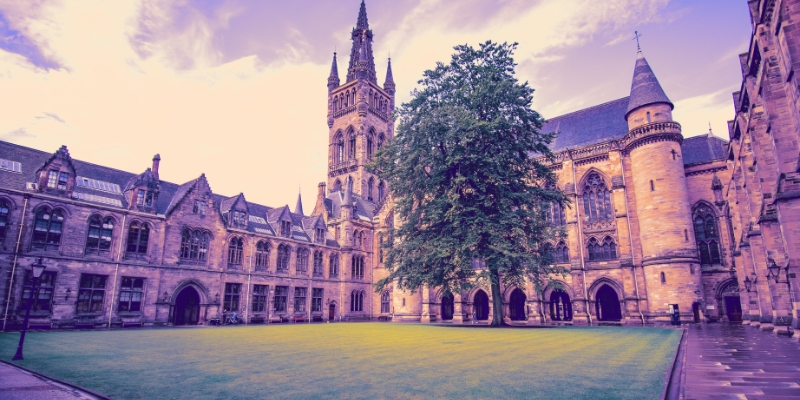
Only Murders in the Dorm: 7 Books That Explore Academia's Dark Sides
Cheryl Miller Dellasega recommends novels and nonfiction by Ritu Mukerji, David Dekok, Megan Miranda, and others
This year, as students prepare to return to the hallowed halls of higher education, I won’t be joining them, or at least not physically. I’ve retired after decades as a professor and will miss out on the fresh energy of motivated faculty and students that happens every fall, but there’s another side to academe I won’t miss.
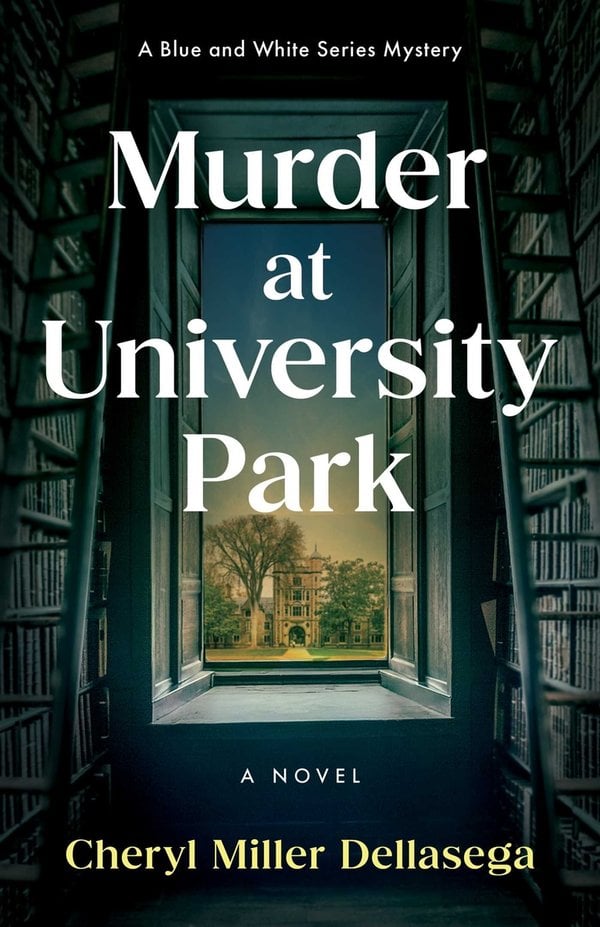
My first crime fiction book, Murder at University Park, explores the underbelly of the picturesque ivy towers colleges are known for. Academic fraud? Check. Snarky students? Check. Helicopter parents? Check. A paternalistic power structure that was even more formidable in 1998 when my main character Lacey Redd was one of a handful of women on campus? Check. Faculty and students who just might be too smart for their own good? Check.
Although I know not all authors who write about academia have experienced these tropes or gone through the grind of tenure track or the crush of grading 100 student essay papers, I thought there were still things I could learn from them. As I entered the editing phase of Murder at University Park, I decided to check out seven titles that served as fact checkers for my novel and its main character, Dr. Lacey Redd. Each contributed something different to suggest elements of fiction that make academia dark, darker, and darkest.
*
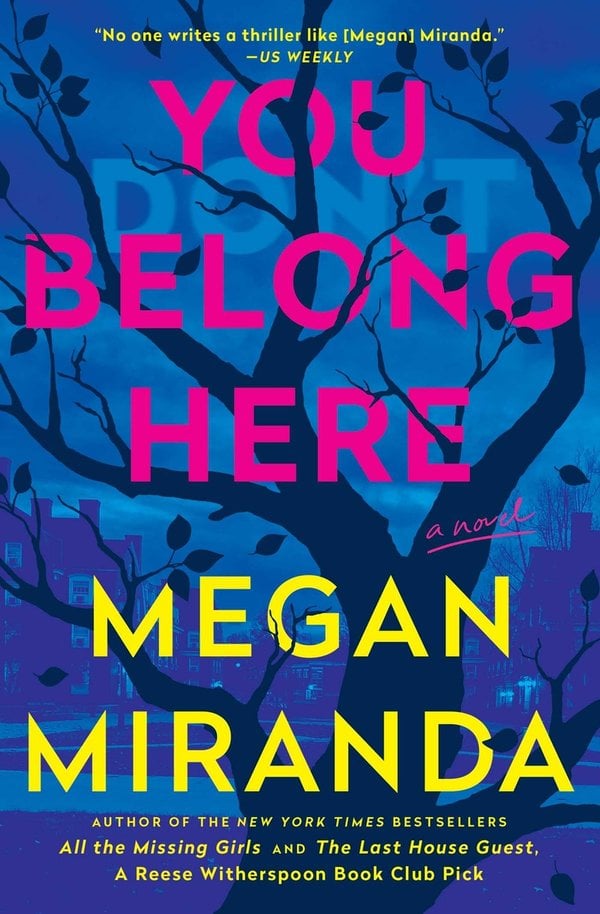
Megan Miranda, You Belong Here
Characters: What a wild ride this one was! Single mother Beckett Bowery grew up in a small Virginia town where her parents were respected Professors at local Wyatt College. She is an alumnus herself, but tries to convince her eighteen-year-old daughter, Delilah, to choose another college because of the unresolved murders that occurred decades ago during Beck’s junior year during a creepy Hunger Games style night labeled “The Howling.” The deaths of two young men from town and the disappearance of Beck’s roommate remain a mystery.
Delilah thinks her mother is being overprotective and is determined to live out her legacy as a Wyatt student as well as excited to be accepted as a theater major, so they head off to campus with high hopes.It only takes one suspicious event to prompt Beck into hovering parent mode. She returns to stay at her parent’s house, wrangles her way into the college data base, and uses her connections to help her daughter because she believes someone is seeking revenge for the past, and Delila is the intended victim.
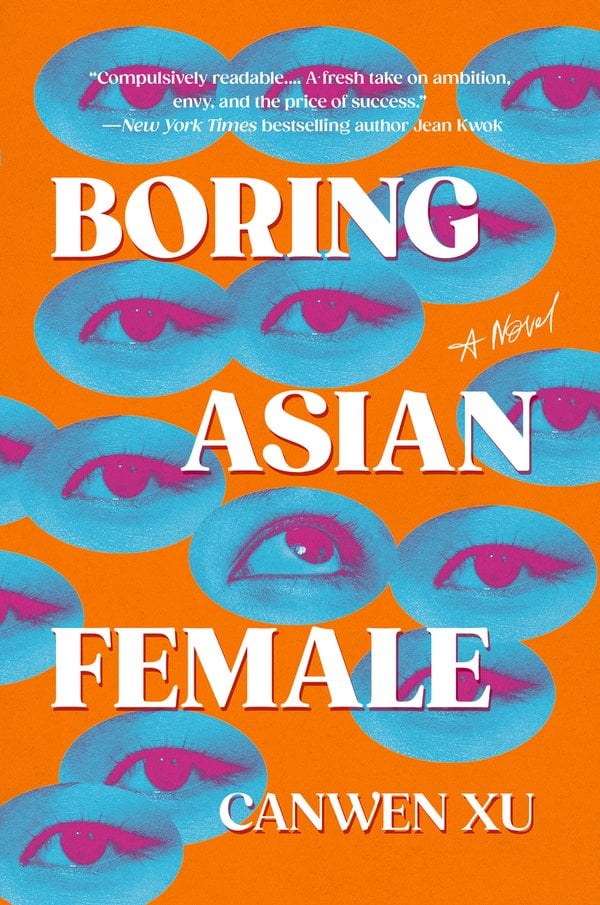
Canwen Xu, Boring Asian Female
Ambition: Immigrant Elizabeth is determined to impress her absentee father, who left her and her mother to return to China after years of struggle in the U.S. Although she is the only Asian American in her small-town North Dakota high school, she develops an action plan to achieve admission to end up in Harvard Law School, her father’s definition of success.
The book takes place during Elizabeth’s successful senior undergraduate year at Columbia, when she is just one step away from a Harvard Law education. Although Elizabeth has three diverse friends who gently encourage her to enjoy college life and New York City, her drive to gain acceptance to the law school of her father’s dreams is unwavering. Even her mother, who returned to school and became an accountant after being abandoned by her husband, tries but can’t convince Elizabeth to seek happiness instead of her absentee father’s approval.
The relentless efforts of Elizabeth and the pathos of her single-minded intention drove this book. Having screened hundreds of applicants for potential admission to medical school during my teaching career, the process of checking off all the right for acceptance was very realistic. Elizabeth is so willing to go to extremes she could be an unlikeable character who won’t hesitate to take things one step further no matter the cost, but Chang’s gifted narration added a touch of humor and likability.
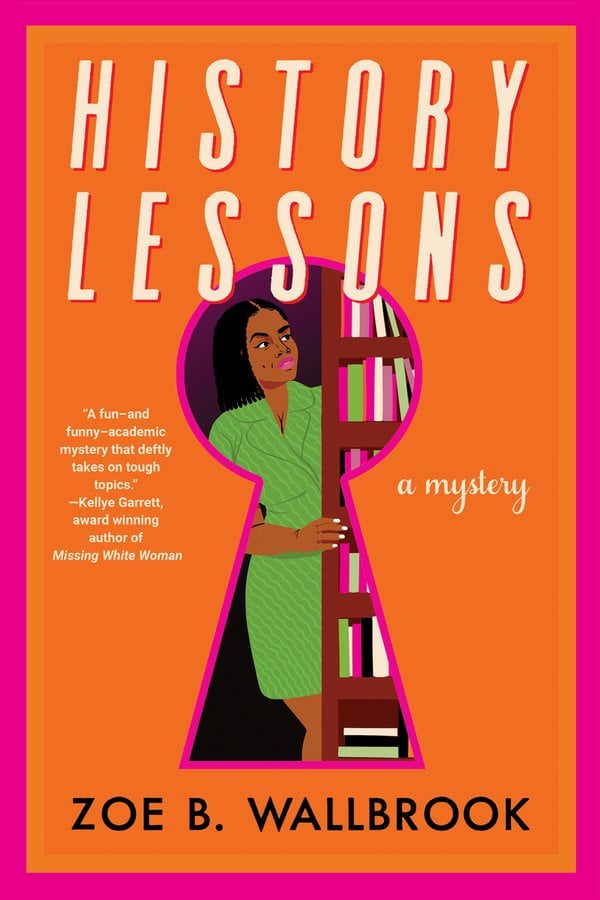
Zoe Wallbrook, History Lessons
Culture: While my book is set in the retro era of a pretechnological-1989-close-to-Y2K- world, Wallbrook ‘s heroine, single POC Daphne Overture, works in the contemporary culture of the elite Harrison College. As a beleaguered junior faculty, she finds surprising parallels between her studies on French Colonialism and the dynamics and difficulties of her current position.
When Sam Taylor, a popular colleague and activist for incarcerated persons, is murdered, the killer seems to think Daphne has important information he left behind, putting her in possible danger. Thankfully, she is collaborating with an engaging bookseller turned detective who becomes a romantic interest. A supportive group of family and friends keeps the reader further invested in the outcome of the book and provide added insight to academic life for those from diverse backgrounds.
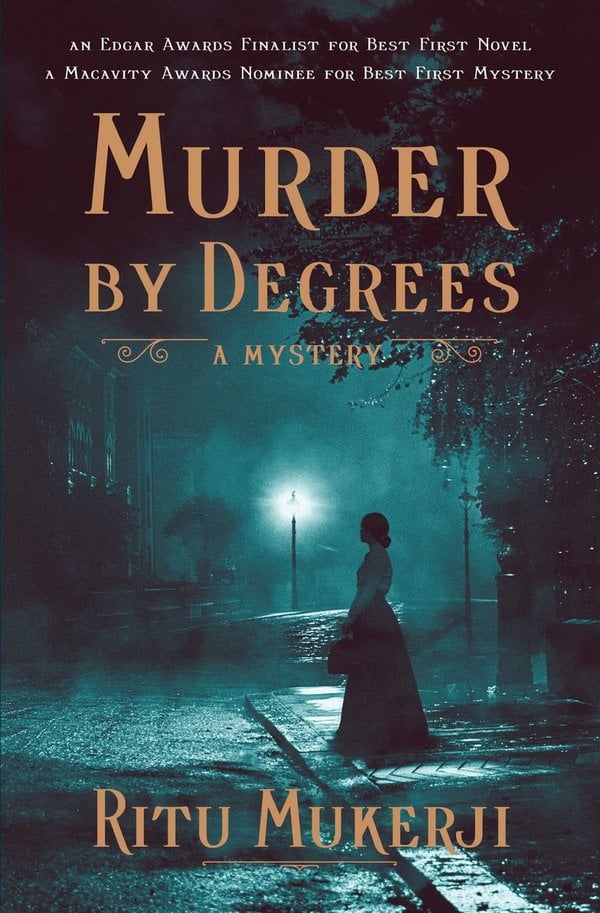
Ritu Mukerji, Murder by Degrees
Historical: The author taught in a college of medicine and her medical chops show in this skillful rendering of health care in post-Civil War America. Dr. Mukerji also has a degree in history and went to medical school in Philadelphia, which enables her to make the time (1875) and place come to life in a dark and dramatic way.
The story features pioneer Dr. Lydia Weston, an Indian physician and anatomy instructor, who endures paternalism and prejudice in both her clinical practice and teaching role at a medical college. One of her patients is Anna Ward, a young woman struggling to overcome a difficult childhood while working as a chambermaid for a wealthy family. As Dr. Weston attempts to empower Anna, a short time after the young woman goes missing, her body is dredged from the Schuylkill River. Lydia joins forces with two detectives who recognize her diagnostic autopsy skills and hope she can determine if the death was a suicide or homicide.
Together, the trio discover Anna was murdered and work together to identify and confront the killer.
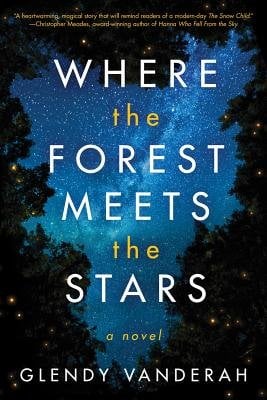
Glendy Vanderah, Where the Forest Meets the Stars
Pressure to publish: Even after gaining admission and successfully finishing required scientific coursework, PhD students must complete and defend a rigorous research project that will make or break their future. One such student, Joanna Teale, is determined to complete her studies after being temporarily sidelined by the death of her mother and surviving breast cancer.
Newly encouraged to complete her dissertation on a species of nesting birds found in rural settings, Jo relocates to an isolated Illinois countryside to collect data. Her loneliness and the desolation of the setting compound the enormity of the task before her until Ursa, a mysterious child and Gabriel, a socially anxious local resident enter her life. The mystery of the little girl’s past and the romantic tension between Jo and Gabe add to the oppressive life Jo must confront and offer an insider perspective of the price paid for a PhD beyond tuition.
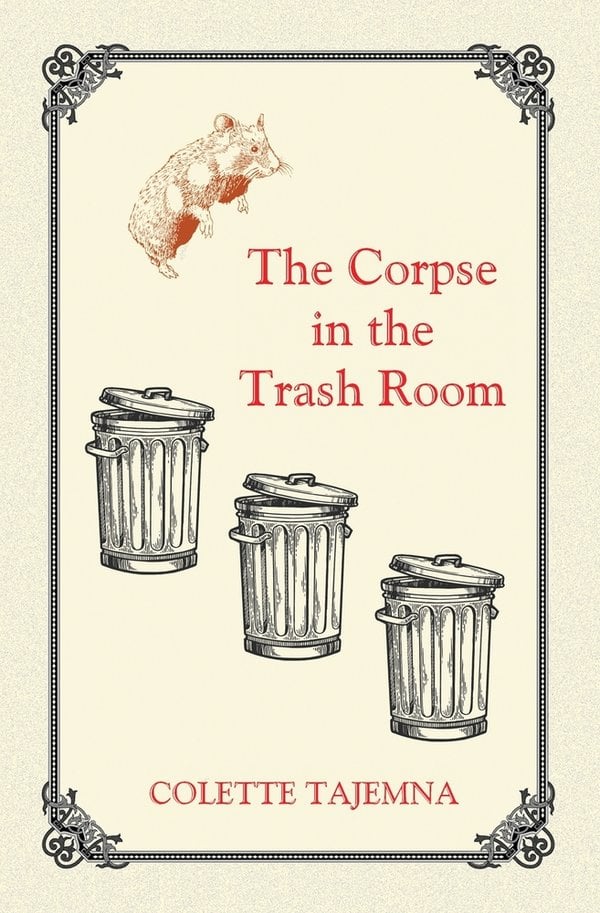
Colette Tajemna, Karla Huebner, The Corpse in the Trash Room
Traditional: Shades of Harry Potter and Punk era pop culture are woven throughout the reflective account a college professor shares of a murder that took place when he was a student in the 1970s. The story feels twisted and British and a bit tongue-in-cheek as a group of self-impressed students discover the body of an unliked (for legitimate and appalling reasons) dorm preceptor dead in the Trash Room.
While the college goes about trying to minimize and cover up a possible crime, the students add detective work to their daily schedule and set about investigating what is clearly a murder. They systematically eliminate potential suspects as a team and discuss possibilities with a mix of snark, humor and academic debate, finally closing in on the killer.
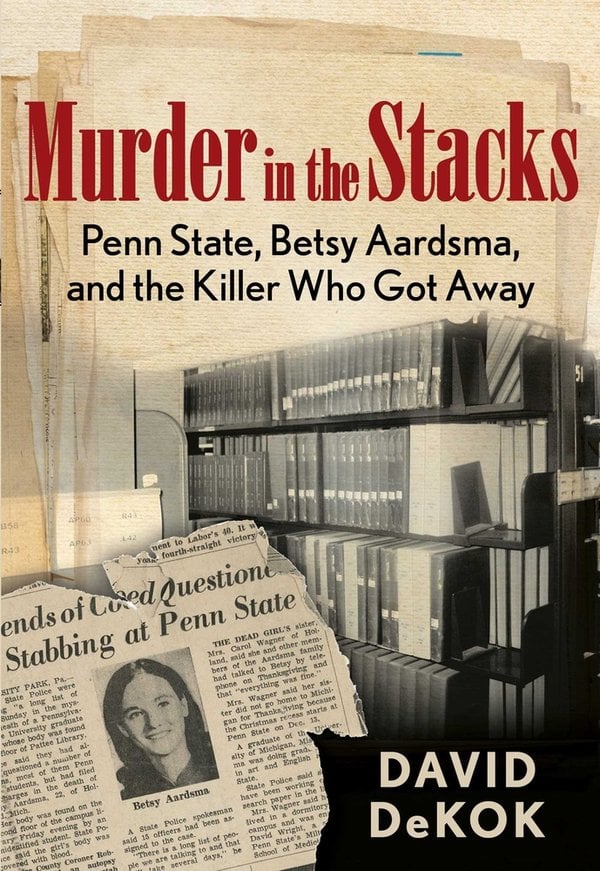
David Dekok, Murder in the Stacks: Penn State, Betsy Aardsma, and the Killer Who Got Away
Nothing beats a true crime: The murder of twenty-two-year-old graduate student Betsy Aardsma which occurred on the main campus of Penn State University during Thanksgiving break in 1969 has never been formally resolved, although author Dekok makes a convincing story for who the killer really was. The death of Betsy, who was stabbed to death in the massive Pattee/Paterno library while researching sources for a term paper still resonates so strongly some students avoid the dark narrow aisles in the bowels of the section where it occurred. Others recount experiencing a ghostly presence near the site of the crime.
Despite an exhaustive but somewhat boggled investigation by local law enforcement and the university, the person who Dekok believes stabbed Betsy went free and never suffered consequences. The murderer he identifies was a Penn State graduate student and as dark a character as can be imagined, managing to blend in with others and being vouched for by senior faculty despite a history of strange and cruel behavior.
The ultimate crime is that the the killer Dekok convincingly identifies continued to commit crimes after Betsy’s death but was protected by his mentors and family when further investigations occurred. He died before being brought to justice.
For me, this true story was the darkest of them all.
***

Cheryl Miller Dellasega
Cheryl Miller Dellasega is the award-winning author of eleven books and founder of Club and Camp Ophelia™, programs to help girls overcome relational aggression. A lifelong writer, she began with gothic romances and later explored female dynamics and narrative medicine as a professor at Penn State. She holds a PhD and an MFA in creative writing and writes with heart, insight, and a deep understanding of women’s voices. She lives in Hershey, Pennsylvania—"the sweetest place on earth."