
Picture This: True Tales of Illustrated Thrillers
Jason Rekulak on turning a backdrop in children's fiction into a illustration-filled horror career
Nothing grabs a reader’s attention faster than an embarrassing personal anecdote, so here’s mine:
In the spring of 2018, I quit my day job. I’d made a deal to adapt my first novel, The Impossible Fortress, into a feature film for Netflix. And I was eager to start writing a second novel. I told myself I was ready to write full-time, that a steady stream of writing income was just around the corner.
I was wrong. By early 2020, Hollywood had stopped returning my phone calls. Interest in the feature film had evaporated. And the fate of the second novel was an even bigger embarrassment: Nobody wanted it. My agent collected some two dozen rejections before giving up. His advice: “Well, I guess you just need to write another book.”
Write another book? I’d spent the past two years hiding in the corner of my local library, painstakingly drafting some 125,000 words, and now I had to do it all over again?
I couldn’t imagine writing another book.
Instead, I contemplated a return to the old day job. Because the truth of the matter is that I always liked the old day job. I’d been working for a small indie press in Philadelphia. We published a lot of illustrated nonfiction, some children’s books, and an occasional novel. I managed a small staff of editors and designers, and I loved being part of a team. I especially liked rubbing shoulders with visual artists. Like most publishers, we depended on an army of freelance illustrators, photographers, designers, food stylists, even miniature model-makers, and I loved having a front-row seat to their incredible creativity.
And as I wrestled with the prospect of writing another novel, I wondered if I could bring a bit of my old day job into my current predicament.
Maybe I could write another book—if I could be part of a team again, if I could partner with illustrators and designers who would inspire me to do my very best work.
So I contacted two of my favorite visual artists—Will Staehle and Doogie Horner—and asked if they would be interested in a collaboration. I suggested that I try to write a mystery with illustrated clues.
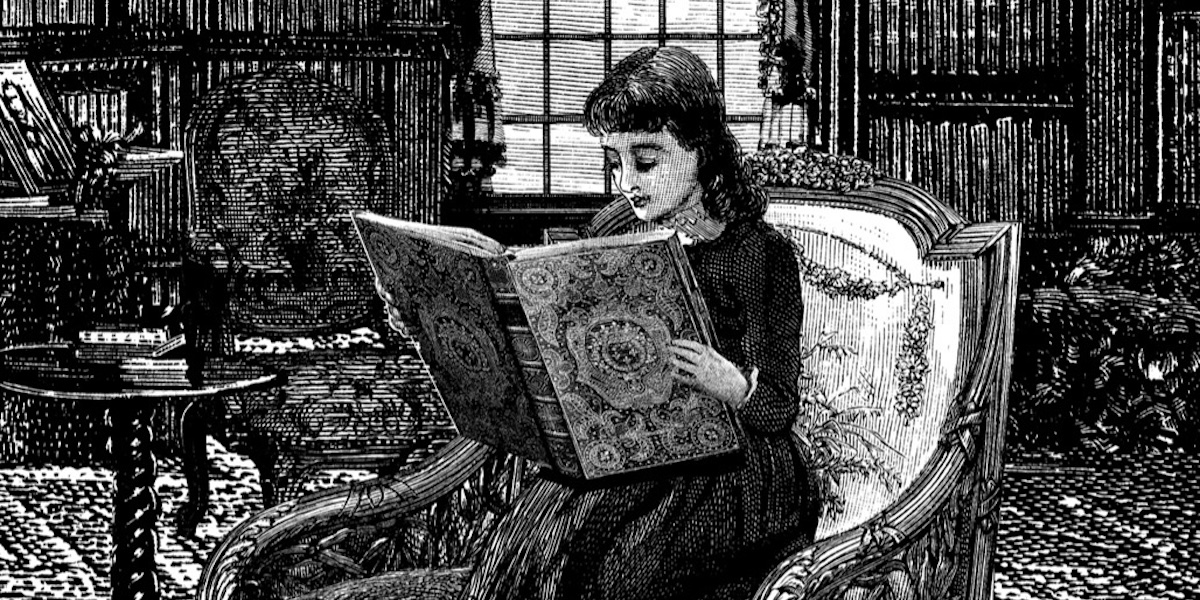
This proposal grew into a novel called Hidden Pictures. The story concerns a babysitter named Mallory who is charged with watching a five-year-old named Teddy; he’s prone to drawing some very bizarre illustrations which appear throughout the narrative. Eventually Mallory begins to suspect that Teddy is communicating with a ghost, that his strange illustrations are telling a story, that they might be clues to a long-ago unsolved murder.
We wanted Teddy’s drawings to pull readers into the narrative, to make readers feel like active participants in the investigation. Mallory spends most of the book playing detective — and thanks to the presence of the illustrations, readers could play along, too. They could pause the narrative and linger over the pictures for as long as they liked, searching the images for hidden clues. (Personally, I find the experience strangely reminiscent of social media. Whenever I view images on Instagram, I find myself thinking about the context of the post and the underlying motivations of the person sharing it. What are they saying about themselves? And what are they concealing? Or unintentionally revealing?)
Hidden Pictures was a nice word-of-mouth success story. I’ll tell anyone who will listen that the book sold more than a million copies before making an appearance on the New York Times bestseller list. And so naturally I was eager to collaborate with my illustrators on another project, but we struggled to think of a good idea.
Then in May of 2024 I came down with Covid. It was my first time with the virus and I dutifully quarantined myself in a home office. After a day or two, I ran out of things to read, so I crept down the hall into my son’s bedroom and grabbed some old paperbacks — two Calvin and Hobbes anthologies, a Diary of a Wimpy Kid sequel, and the graphic novel Smile by Raina Telgemeier.
I read these books for an hour or so until I fell asleep. My temperature was hovering around 102 degrees, and I had a very strange dream involving comic strip characters. I don’t remember the specifics; I just remember waking in a sweat and feeling incredibly uneasy. Then I reached for a notebook and wrote:
Cute Comics gone bad
Demons
Surreal
Scary
David Lynch
EVIL GARFIELD
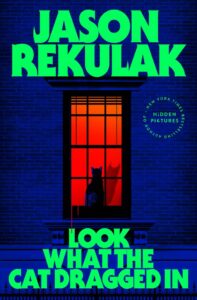
Within forty-eight hours, I had a title and an outline of a plot. Look What the Cat Dragged In would be the story of a comic book artist who starts pet-setting a cat that may or may not be possessed by a demon. (Publisher’s Weekly just called the book “Garfield Meets Rosemary’s Baby,” and I wish I’d used this phrase as my elevator pitch!)
The most appealing part of the idea, of course, was that I could re-enlist the help of my two favorite illustrators. I hired Doogie to draw all of Penny’s comics, and we inserted them throughout the book to chart her descent into madness. I never had to write that she was losing her grip on reality because the reader could see she was losing her grip on reality. Her comics start off sweet and wholesome but quickly turn dark and surreal.
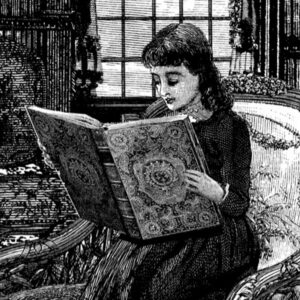
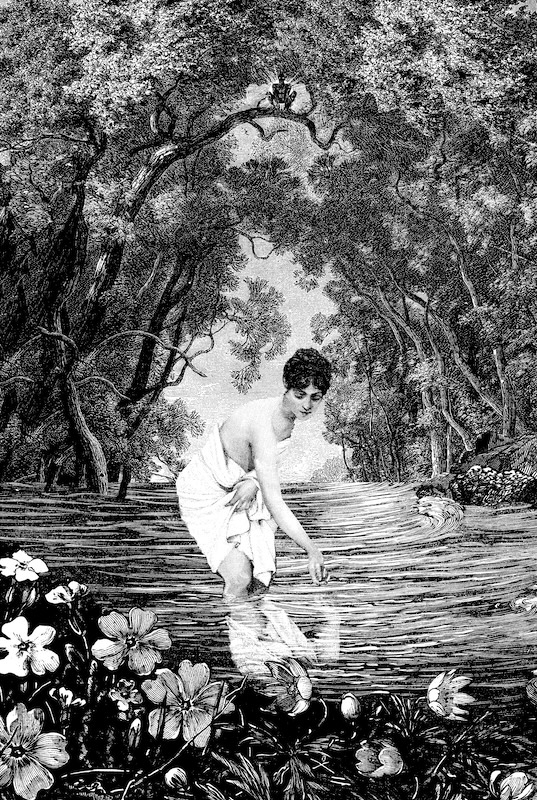
Meanwhile, I wanted my demon antagonist to have a rich and interesting backstory, so Will Staehle created a dozen old-timey “engravings” to detail his history and make the mythology feel timeless and credible. Many have subtle details that reward close attention. The novel’s main character doesn’t notice the demons hiding in these two illustrations, but we hope most readers will.
If there’s a takeaway from any of these experiences, I suppose it’s a reminder to writers everywhere that we need to trust our instincts, even if these instincts at first blush might seem strange or unconventional. A long, long time ago, I quit my day job to write a Netflix movie, and I was devastated when Hollywood stopped returning my phone calls. But now I wonder if this was the best thing that ever could have happened to me.
***

Jason Rekulak
Jason Rekulak is the author of The Impossible Fortress (an Edgar Award finalist), Hidden Pictures (winner of a Goodreads Choice award) and The Last One at the Wedding (winner of the ITW Award for Best Thriller). His latest thriller Look What the Cat Dragged In pounces into bookstores on October 13. He lives in Philadelphia.