Rosanne Limoncelli on the Joy of Following Characters Through Multiple Stories
The author of Death at King's Cross celebrates enduring fictional friendships
Why do we follow a character from one book to the next, or one movie to a sequel, or in a television series from the pilot to the next episode and the next? For many of us it is because we make an emotional connection to the characters in the story. They become part of our lives, and we don’t want to let them go.
As readers we get to know characters through their foibles and shortcomings, from their failures and successes, by their kindness and fortitude. These characters become friends, trusted colleagues, heroes that will do good in the world, all things we want in a story, and that we need more of once that first story is done. Like Agatha Christie’s Miss Jane Marple who is always so smart and brave, or Ngaio Marsh’s Inspector Roderick Alleyn and Agatha Troy, an enviable couple. We connect to their goals, follow their curiosity and feel part of their journey.
And some of the best characters are wonderfully wicked in a way that we would never be in real life but sometimes wish we could. Like Mick Herron’s Jackson Lamb in Slow Horses, especially the Gary Oldman version.
Fictional friends demand nothing from us except the spare time to be a part of their stories, they are pure pleasure, especially in mysteries or thrillers when we feel we can help them solve the puzzle by being their sounding board. We root for them, encourage their problem-solving strategies, smack our foreheads when they do something dumb, and laugh when they quip funny. We even cry when they are tragic, which is sometimes easier than crying for ourselves.
In the best stories, a well imagined character’s life feels so real that we can’t wait to get back to that book because we keep wondering about them. What will happen next, who will they love or battle; how will they learn and grow? And more importantly, although often invisibly, how will we learn and grow through them?
In a series those characters have more room to grow and evolve, and we have more time to learn from them. Like Dorothy L. Sayers’s Lord Peter Wimsey who grows progressively more thoughtful and intelligent in each book, especially after he meets Harriet Vane, the next book always brings more depth to the lives of the characters and to our lives as the readers. When our favorite characters live on in another book we get to spend more time with them, live more experiences through them, learn more through them.
Scientific studies show that when we read, we experience the mental stimulation similar to the mental stimulation of a lived experience, like pilot training on a flight simulator. When I was a child, I read so many books with horses, and characters that rode them, that when I got on a horse for the first time as a teenager, I had skills I hadn’t physically practiced. It felt like magic.
This mental stimulation from reading includes social and emotional experiences like empathy. Reading about characters with lives that are different from ours gives us a kind of lived experience. It gives us real empathy even though the characters are fictional and expands our world. This is one of the things that makes those fictional character connections so powerful, especially when the story parallels our life experience. Every coming-of-age story has aspects that we can relate to, building a foundation so that when we find new experiences, real or fictional, we are ready for the ride.
The empathy we feel for fictional characters is real, our brains experience it as real empathy, and isn’t that why we read? To have more experiences than we could possibly fit into one lifetime? To get to know people we would never get a chance to meet in real life? Because if we can do that and experience that, simply from the books we read, we create a bigger and better inner life that enriches our real life.
It’s the same experience from the writing point of view. I usually connect to a character first, before the story blossoms in my mind. My favorite thing about writing is discovering and creating the characters. I use the word “discovering” because sometimes the characters just appear and insist on existing and being part of the story. Once they are there, I make lots of notes on their past life before my story begins, most of which will never appear in the book, and then I dive deep into research about what they might’ve been going through in their part of the history of the world.
When I begin writing about them, they often insist on speaking for themselves and making demands on how the story should progress. Whether the character is a historical person, my imagined invention, or a combination, the characters are what propel me into finding and developing the mystery and the solution.
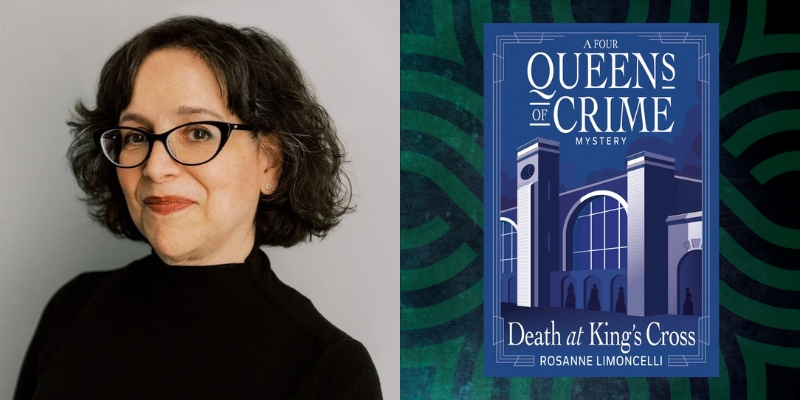
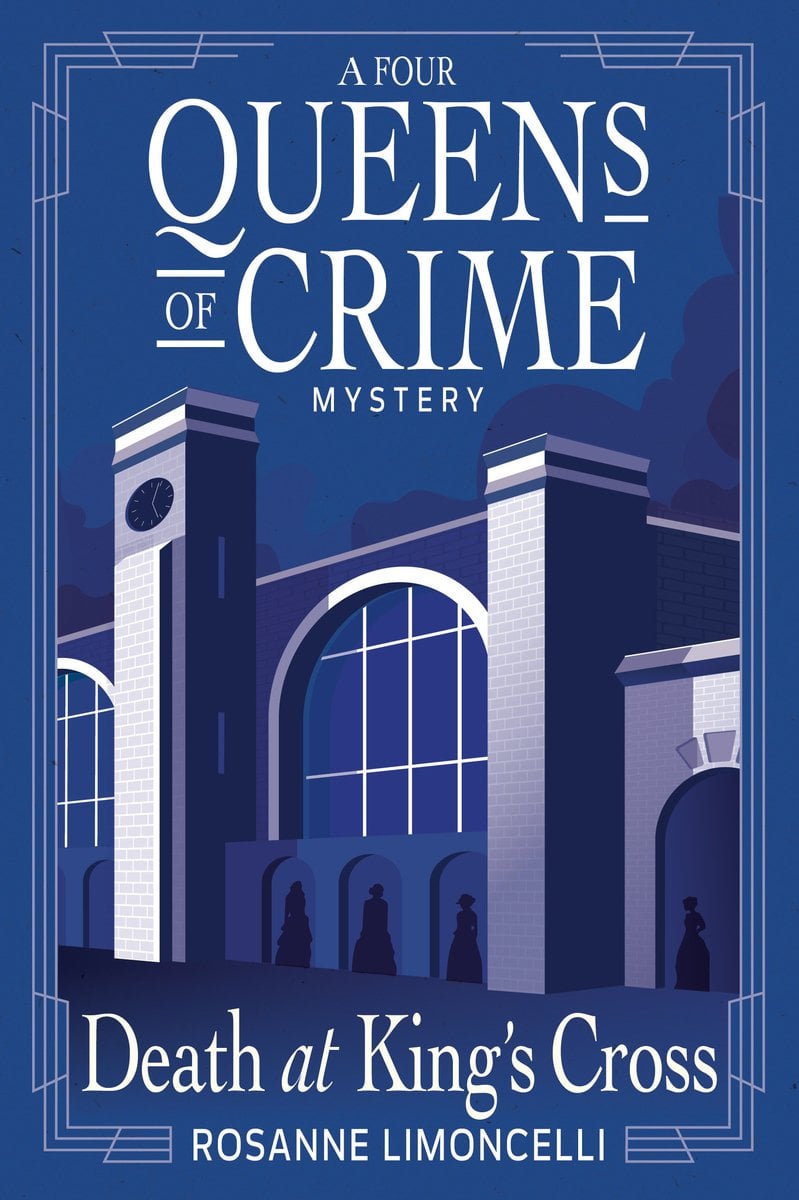
In my Four Queens of Crime series, (The Four Queens of Crime, Death at King’s Cross, Murder by the Sea) the stories take place in England before, during, and after WWII. I began with real life historical main characters; Lilian Wyles, the first woman DCI at Scotland Yard, and the best-selling writers of that time, Agatha Christie, Dorothy L. Sayers, Ngaio Marsh, and Margery Allingham. It was fun researching what their lives were like before they appeared in my story, then they quickly came to life in my mind and began talking to me, and to each other, and telling me what should come next.
Once these characters became real to me, there was no putting them away. They are my friends, my colleagues, my teachers, and mentors. They became part of my life and insisted on being in more stories, i.e. sequels. What could I do? I wouldn’t abandon good friends in real life, why would I abandon them in my imagined life?
After writing three books with them, they live on with me still and will inevitably bring me more stories in the future. Reading or writing, I’ll never get enough of that powerful connection to fictional characters, I am only grateful for the enrichment they bring to my life.
***

Rosanne Limoncelli
Rosanne Limoncelli is an author, filmmaker, and storyteller living in Brooklyn. She has written, directed, and produced short narrative films, documentaries, and educational films. Rosanne also writes plays, screenplays, poetry, games, mysteries, and science fiction. Her short fiction has appeared in Alfred Hitchcock Mystery Magazine, Suspense Magazine and Noir Nation, and her short films have been screened in festivals around the world. The Four Queens of Crime is her debut mystery novel. Dr. Limoncelli has taught writing and filmmaking for more than three decades and is the Senior Director for Film Technologies at the Kanbar Institute and the Martin Scorsese Virtual Production Center at NYU’s Tisch School of the Arts.